Manufacturer of fermenter, bioreactor, Agitator, Reactor, Vessel, Rotary Shaker, BOD Incubator, Ribbon Blender, Vertical Autocalve, Process instruments and fittings

Sale!
, , , , , ,

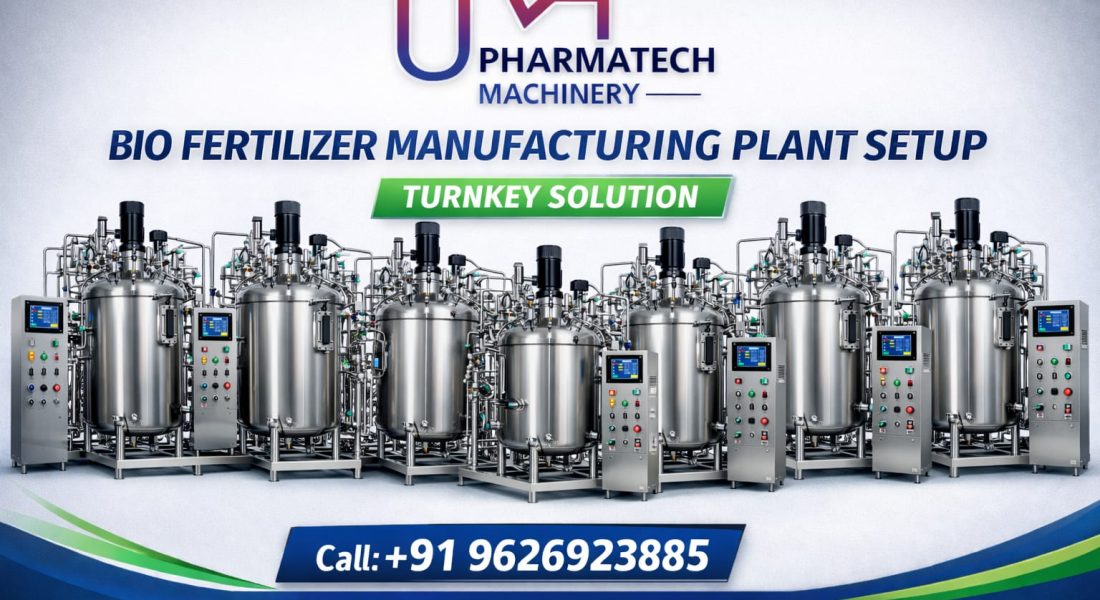
Biofertilizer Plant Setup

Original price was: ₹2,500,000.00.Current price is: ₹2,200,000.00.

Biofertilizer Plant Setup

Gemini said

Strategic Biofertilizer Plant Setup: Sustainable Agriculture for the Future

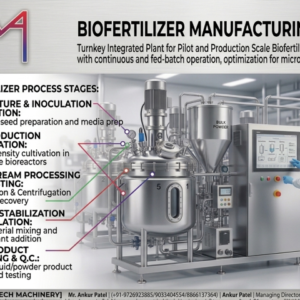
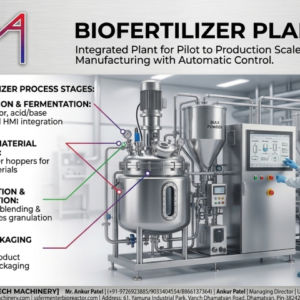
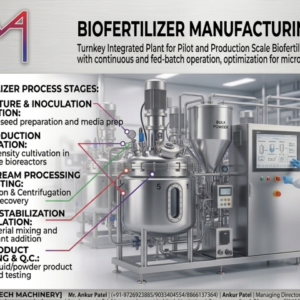
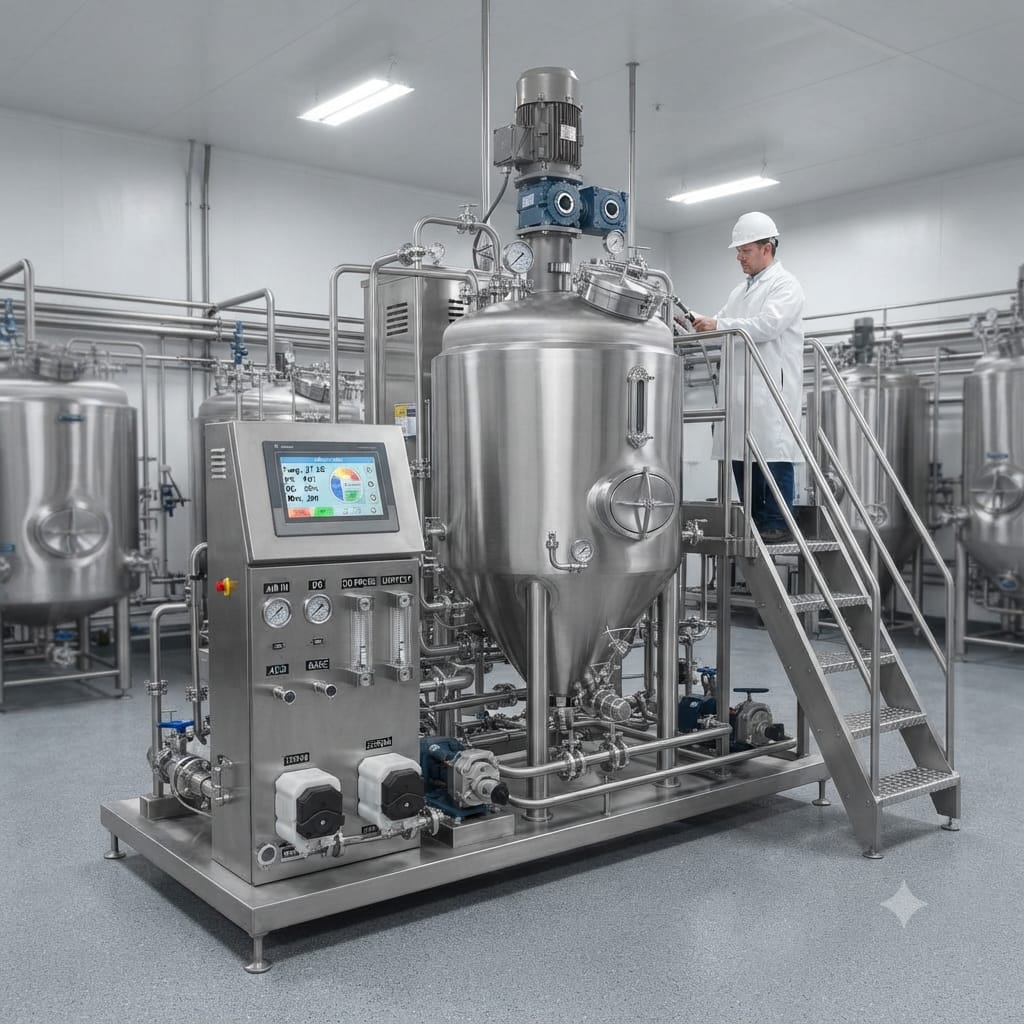
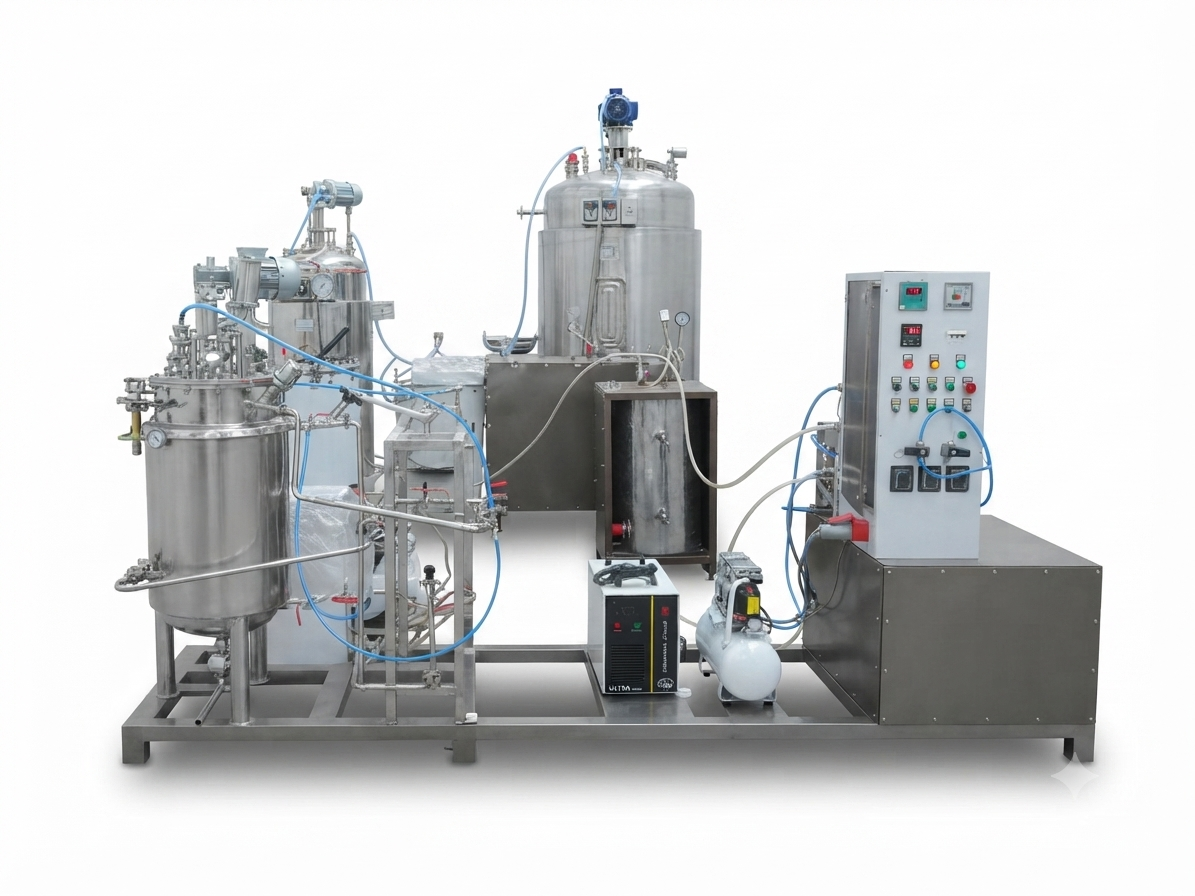
The global shift toward organic farming and soil rejuvenation has made a biofertilizer plant setup one of the most viable and environmentally impactful industrial ventures today. A well-designed facility is engineered to cultivate beneficial microorganisms—such as nitrogen-fixing bacteria, phosphate solubilizers, and potash mobilizers—converting them into stable liquid or carrier-based products. By integrating high-quality fermentation technology with automated downstream processing, a modern plant ensures that farmers receive potent, contaminant-free biological inputs that enhance crop yield and long-term soil fertility.


Key Components of a Biofertilizer Plant Setup

High-Precision Fermentation Suite

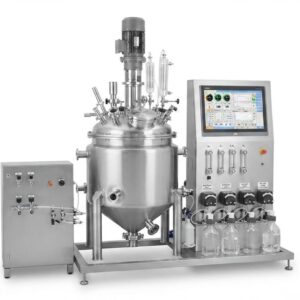
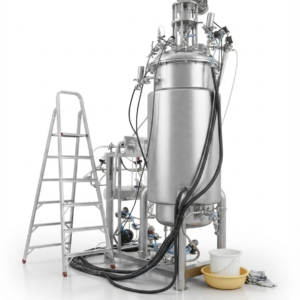
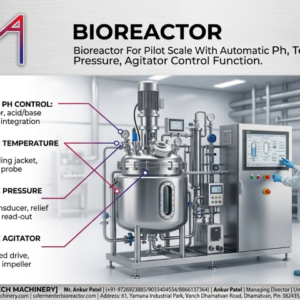
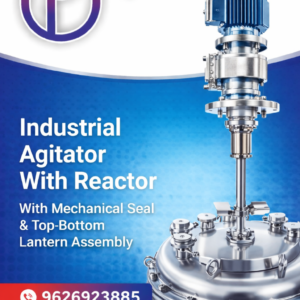
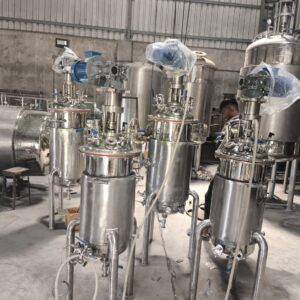
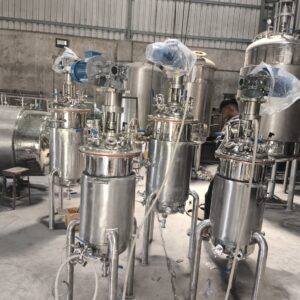
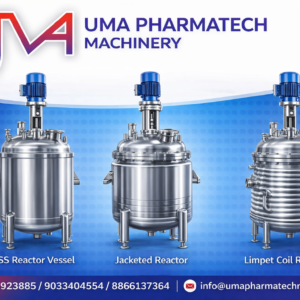
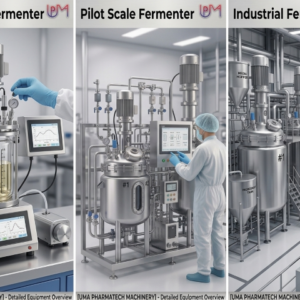
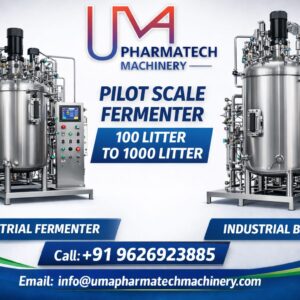
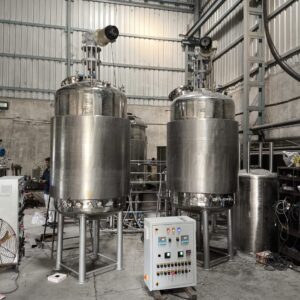
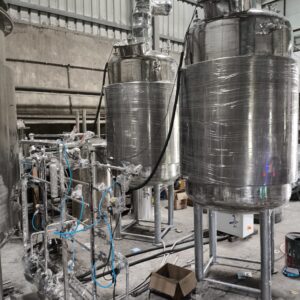
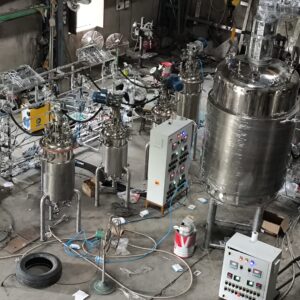
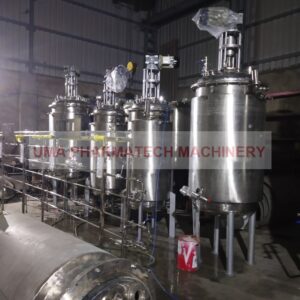
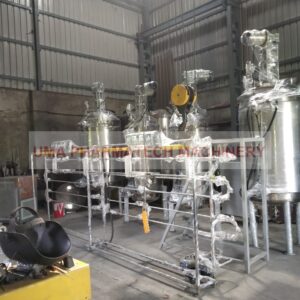
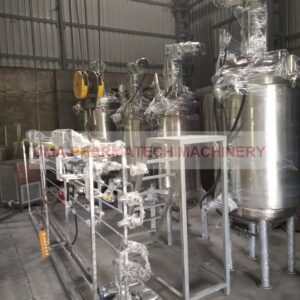
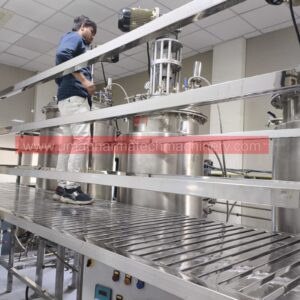
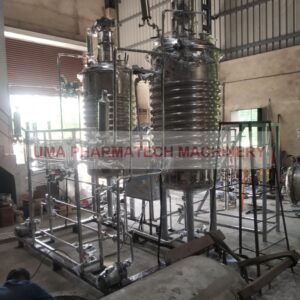
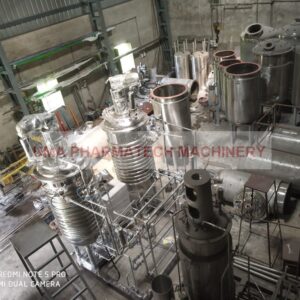
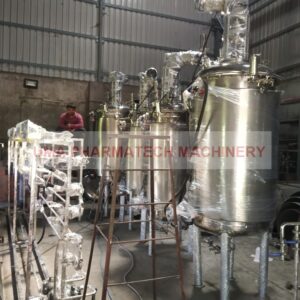
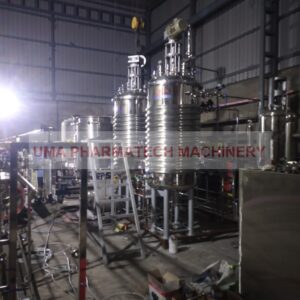
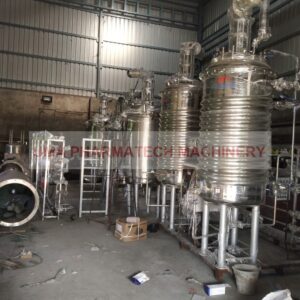
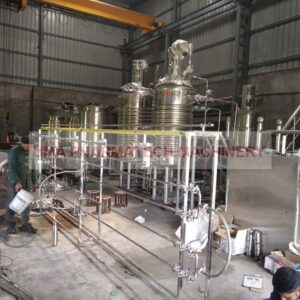
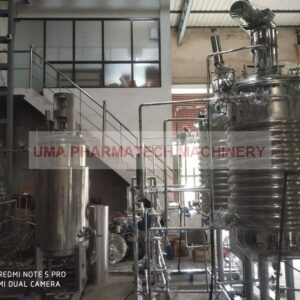
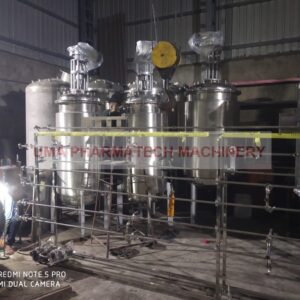
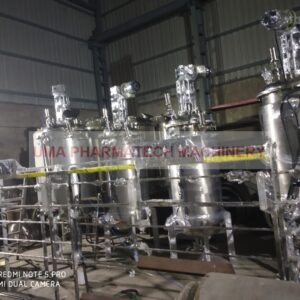
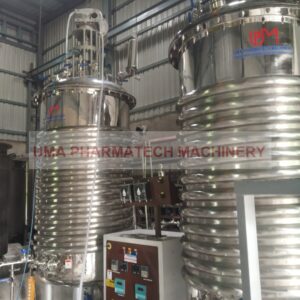
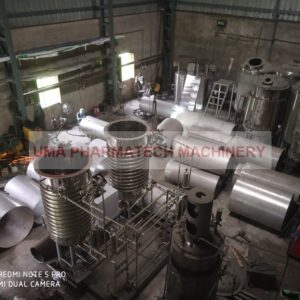
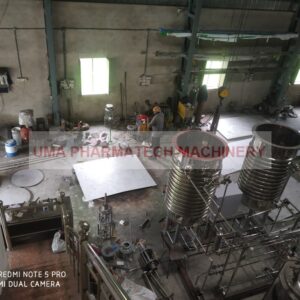
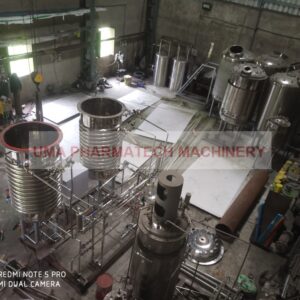
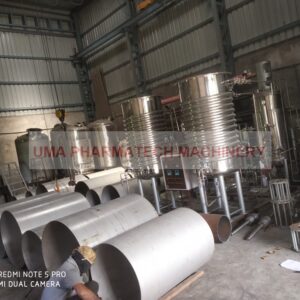
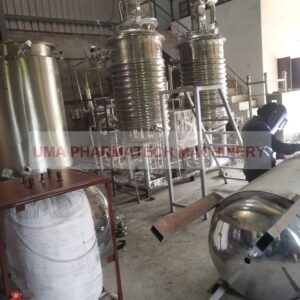
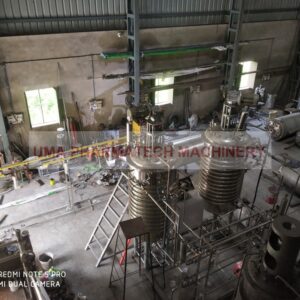
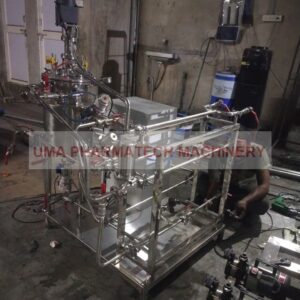
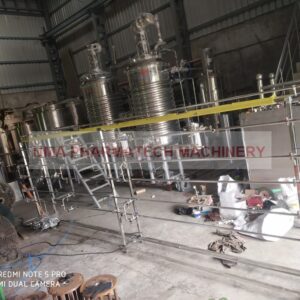
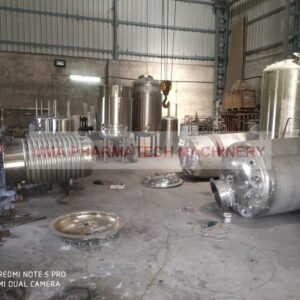
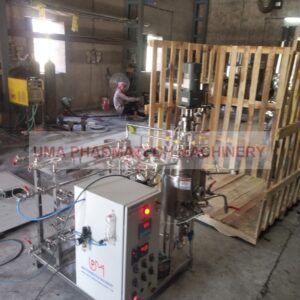
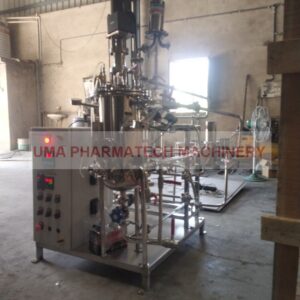
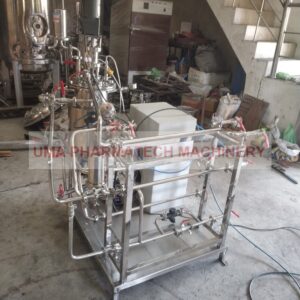
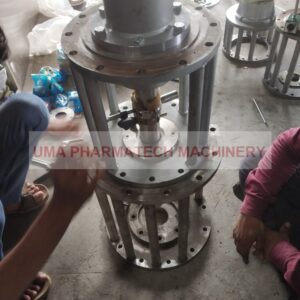
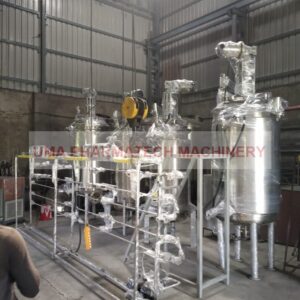
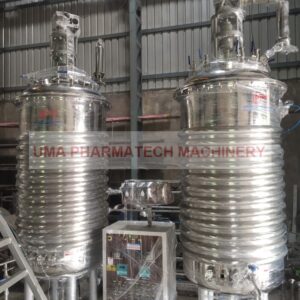
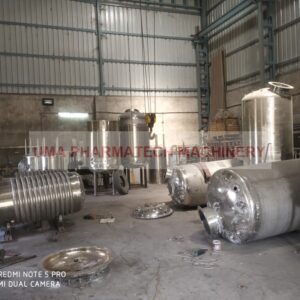
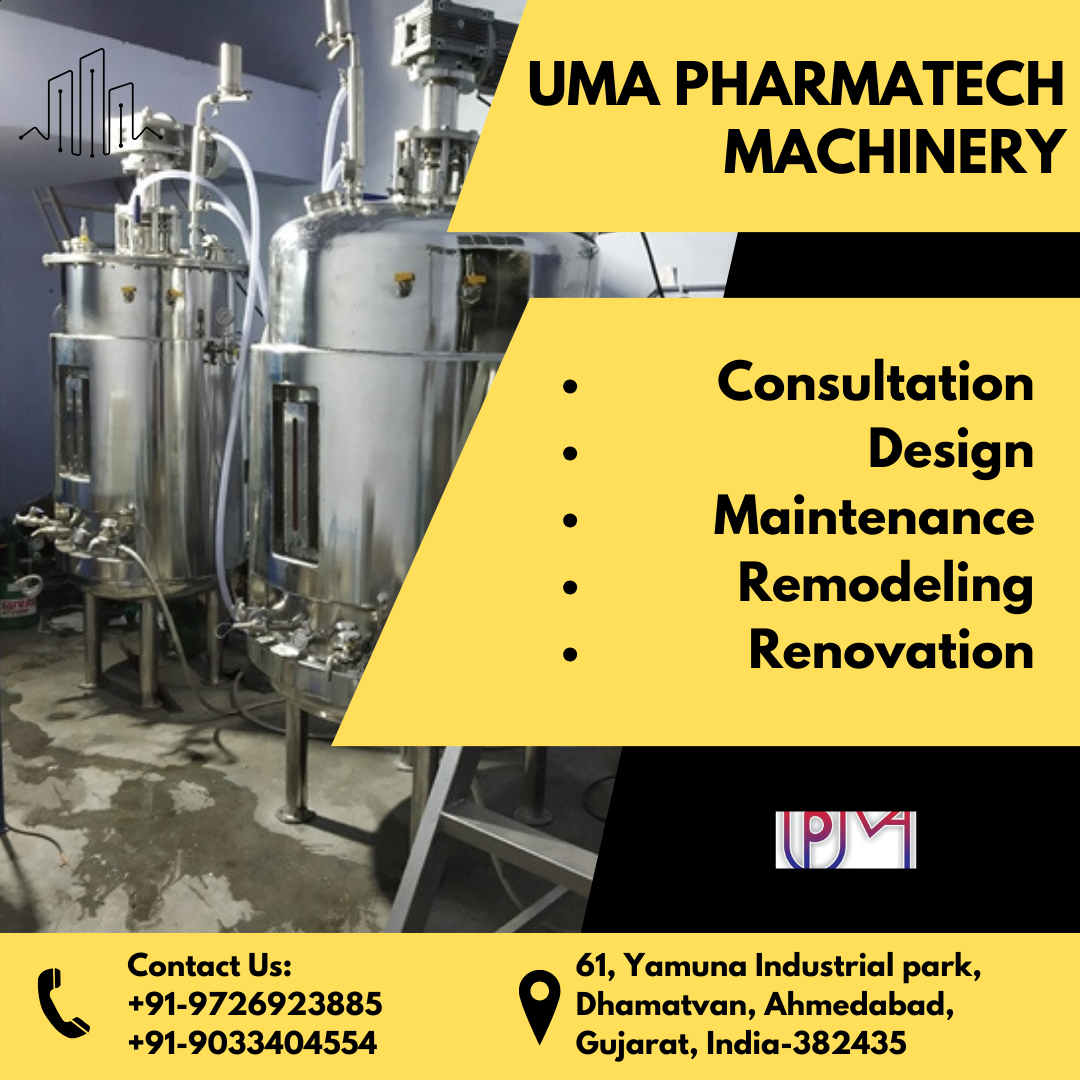
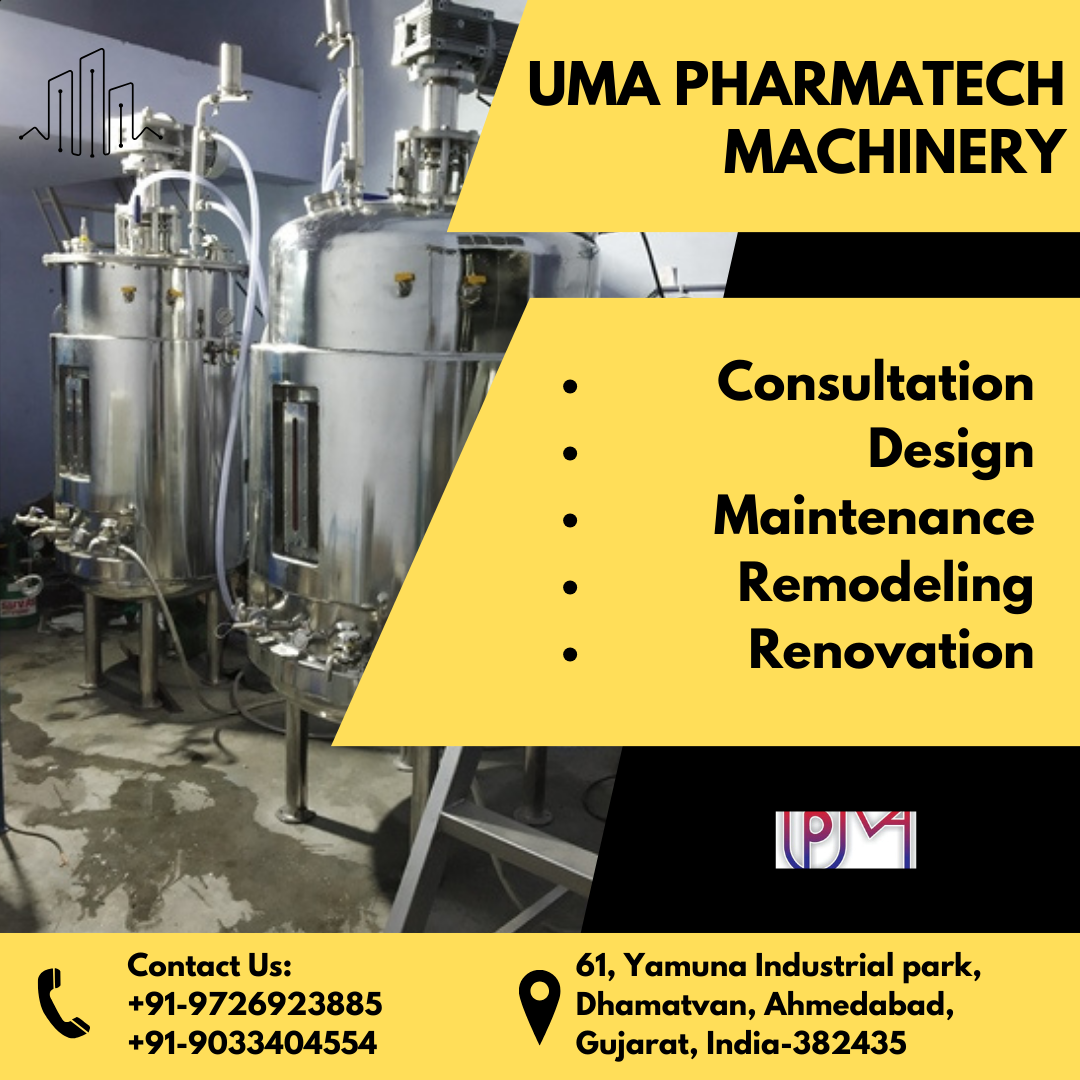
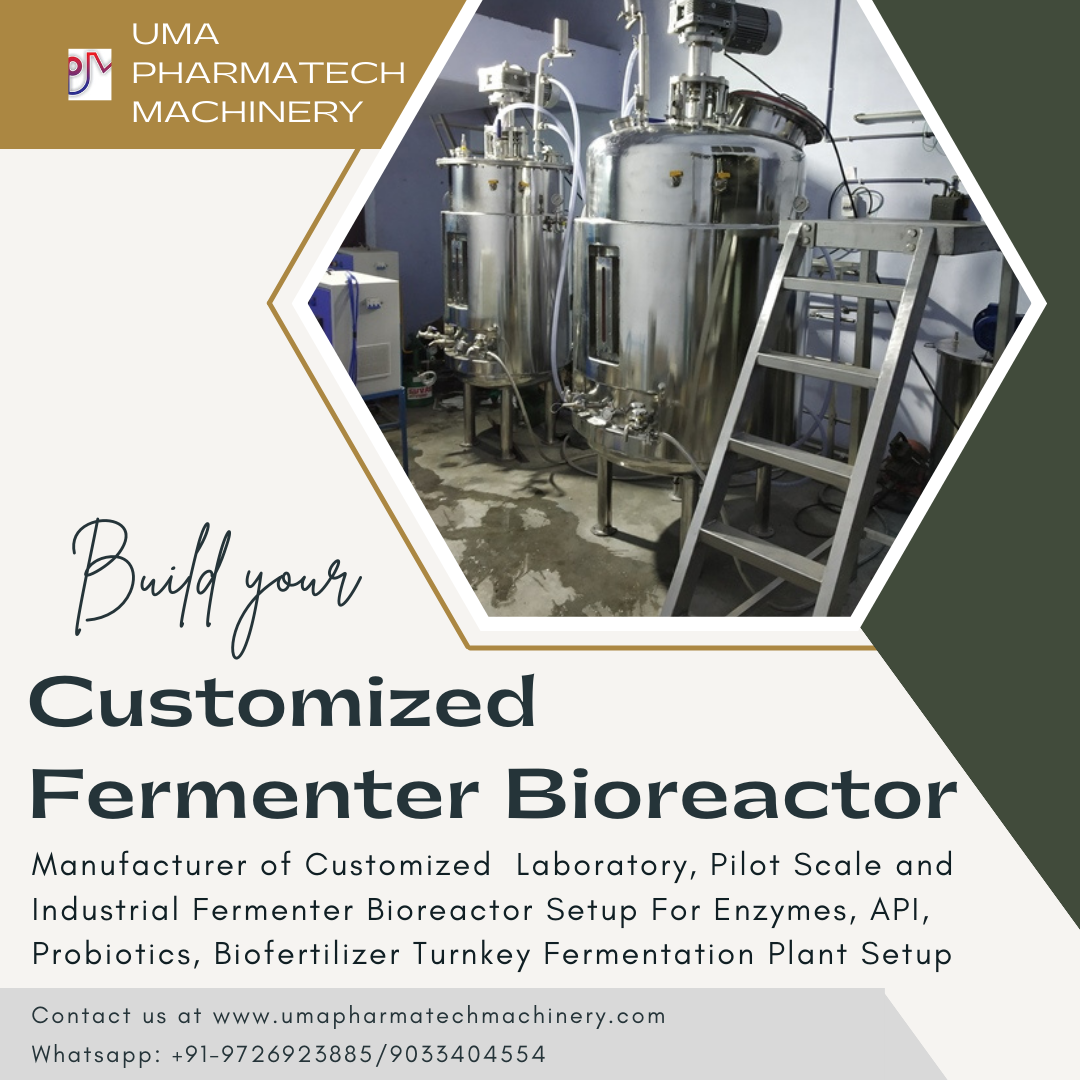
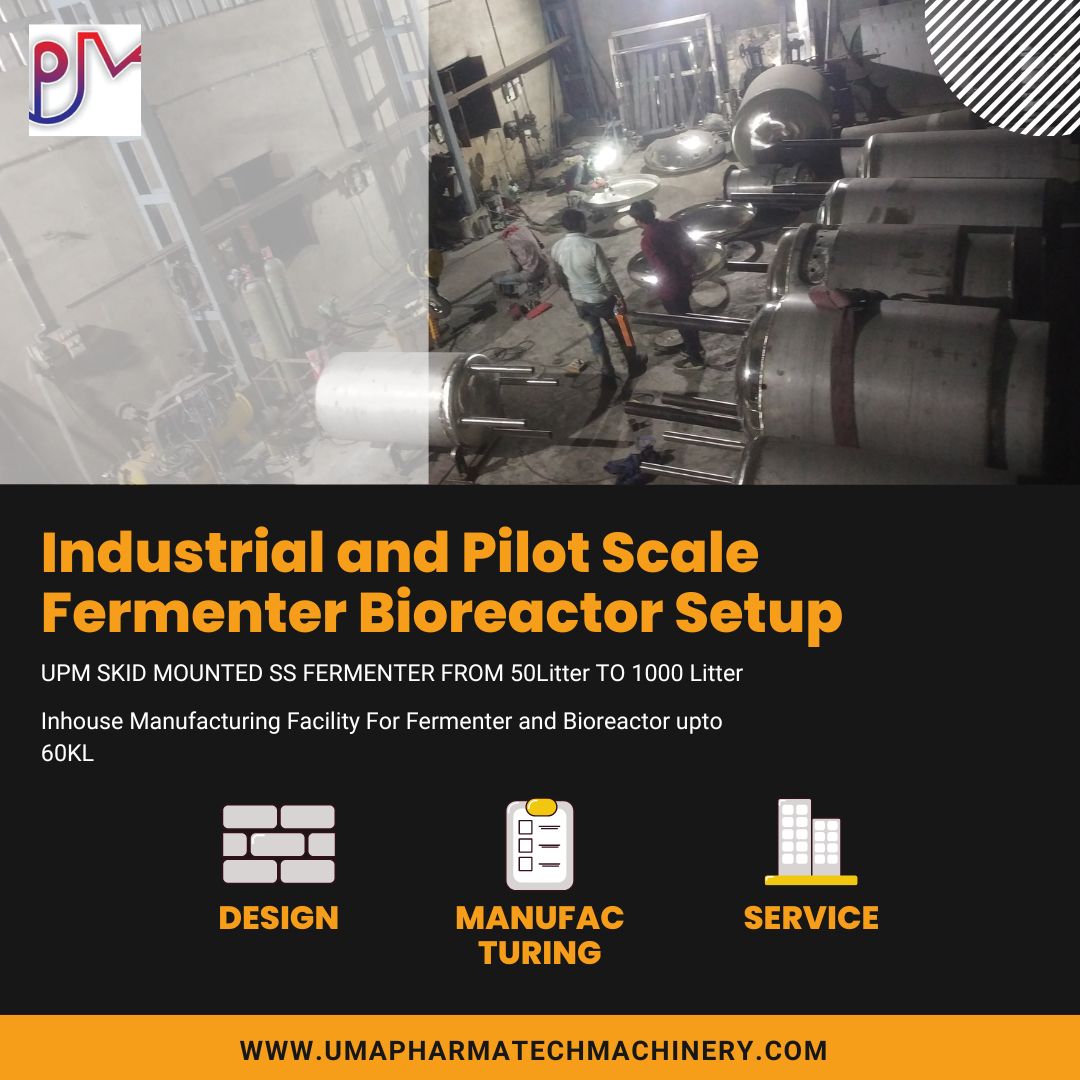
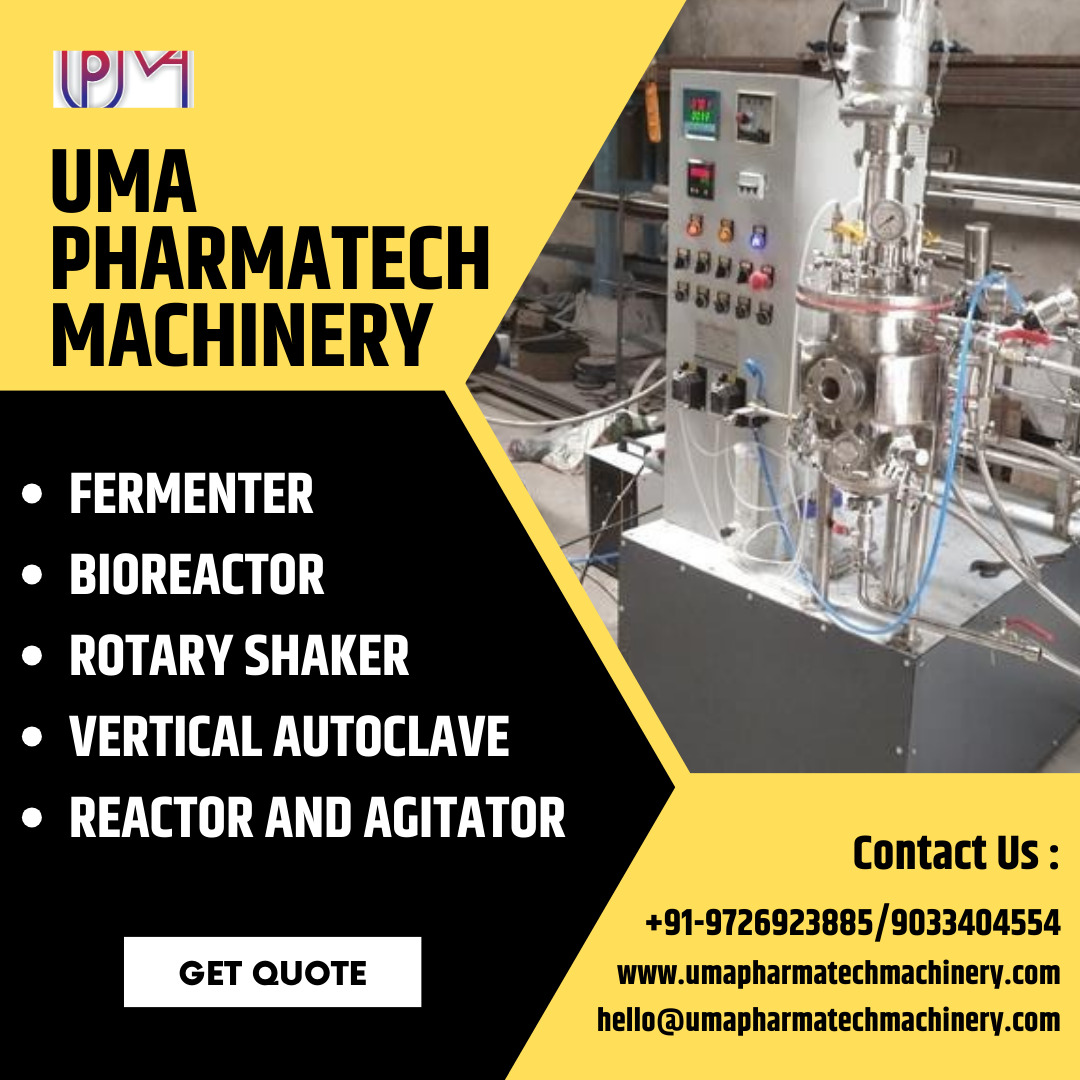
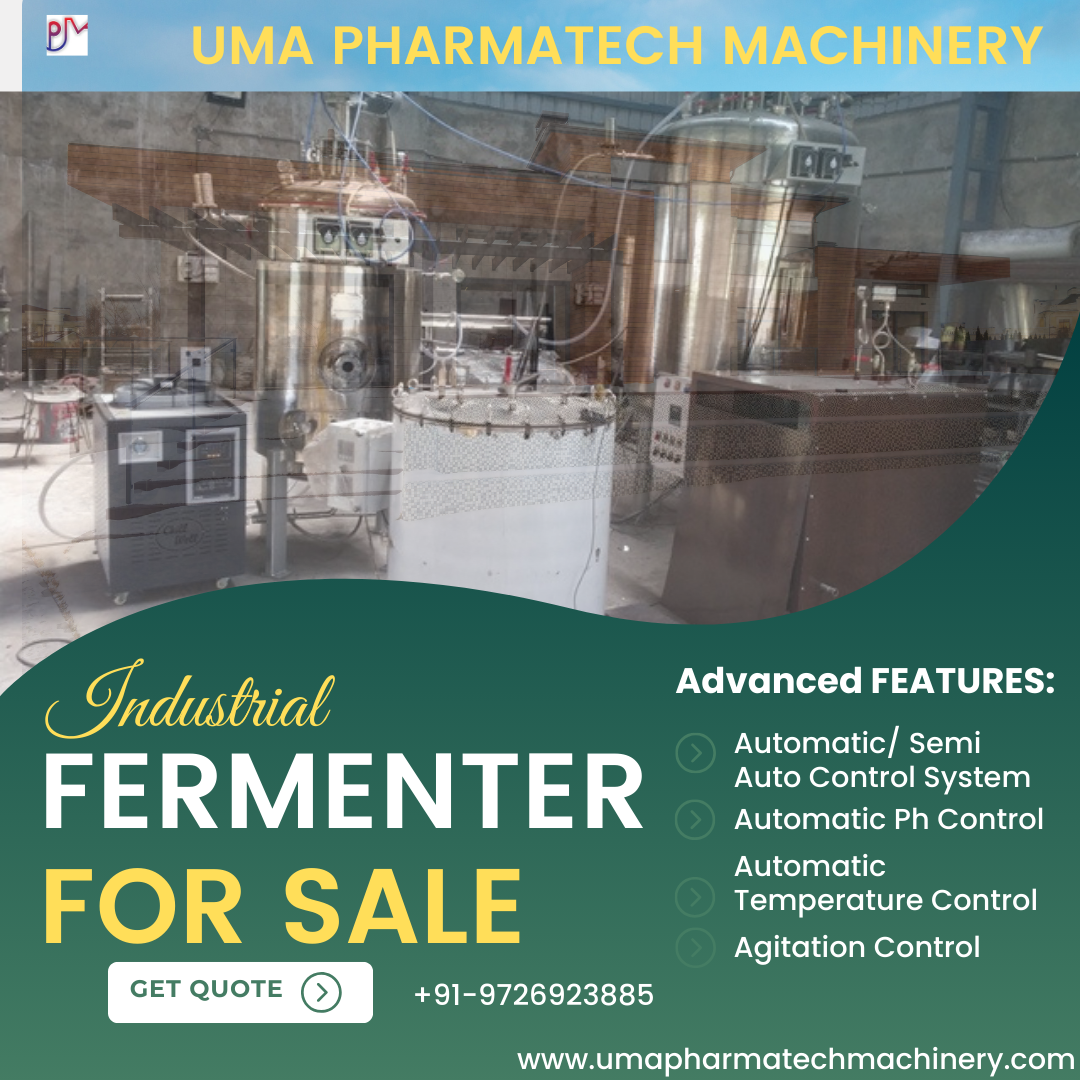
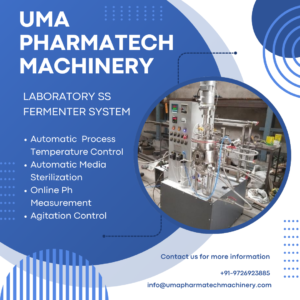
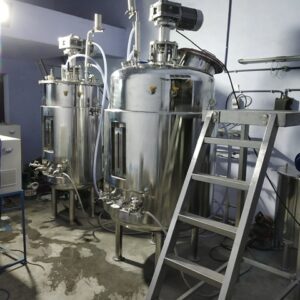
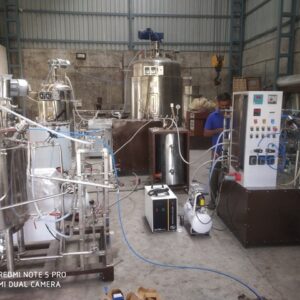
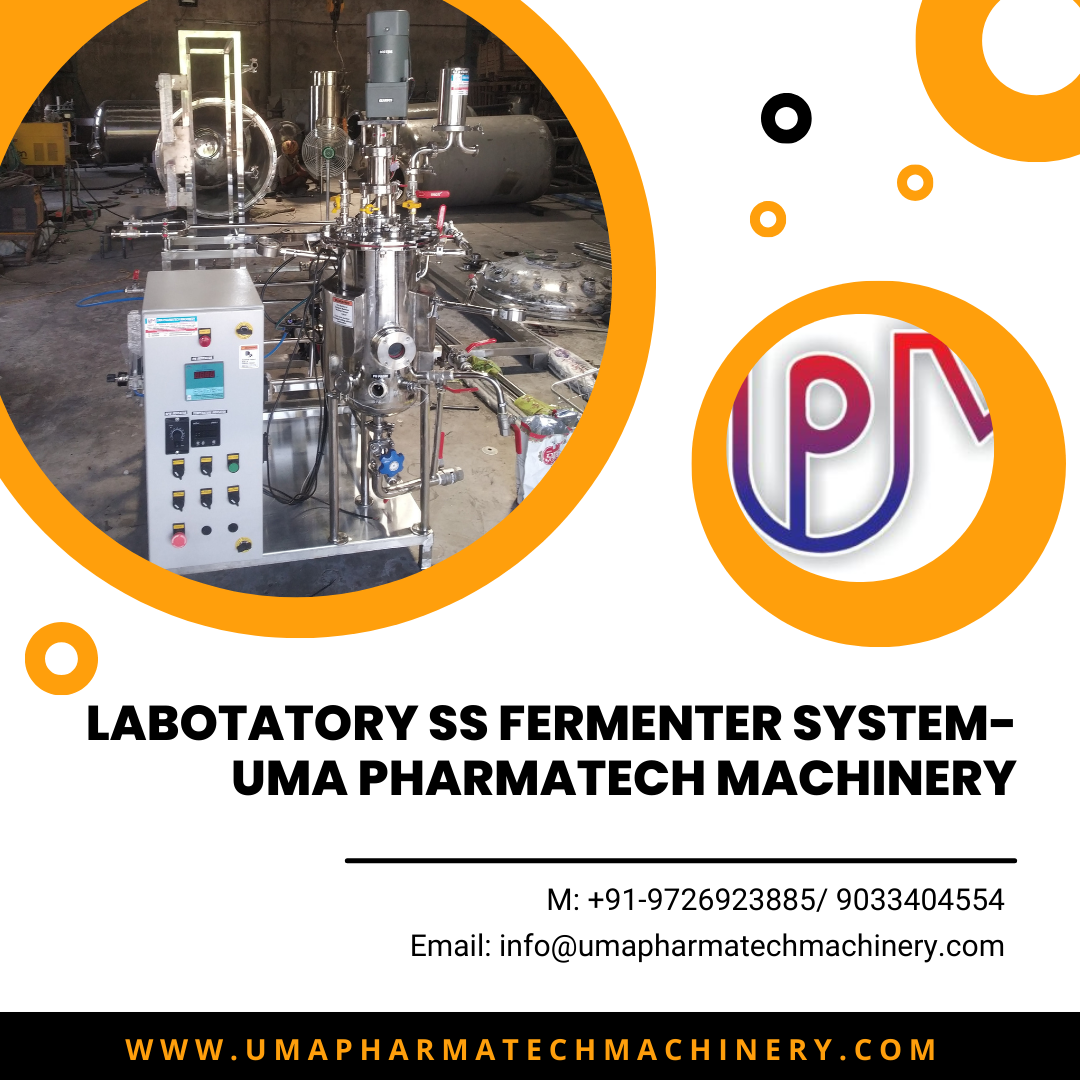
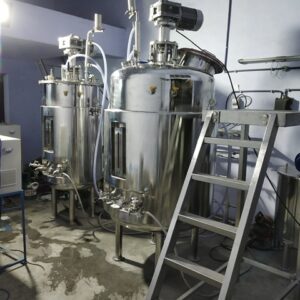
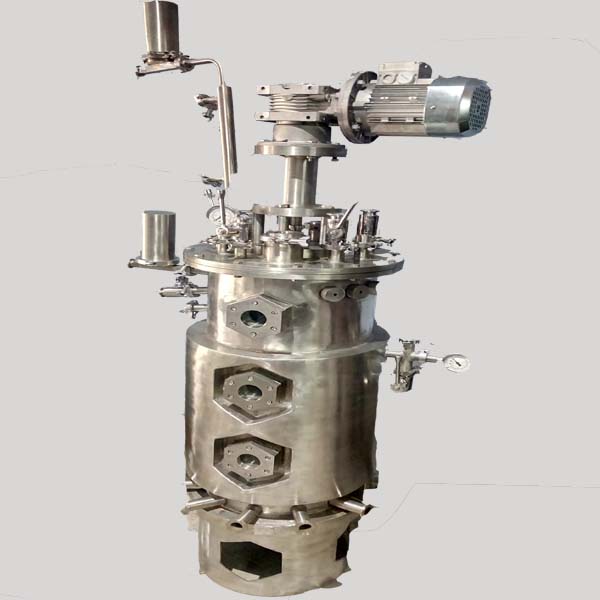
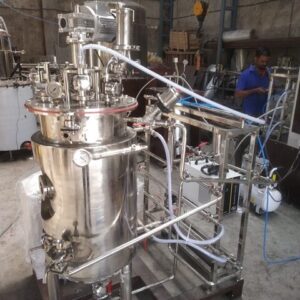
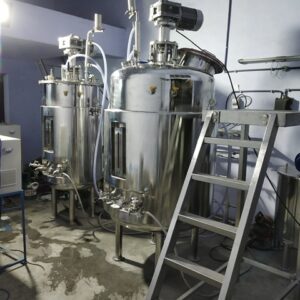
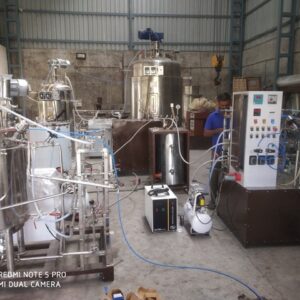
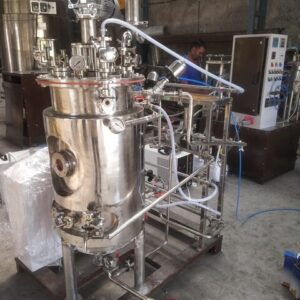
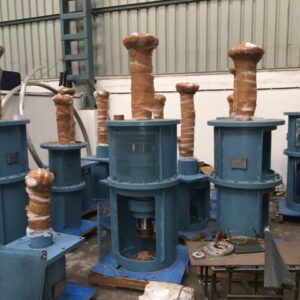
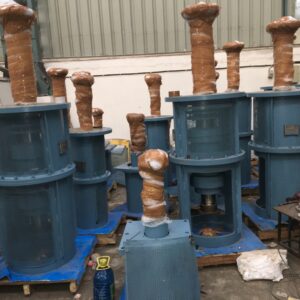
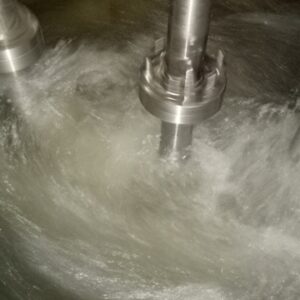
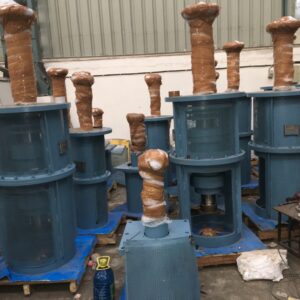
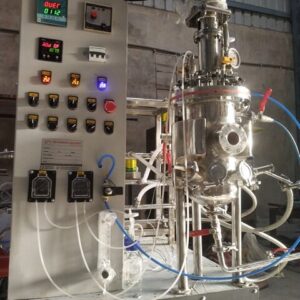
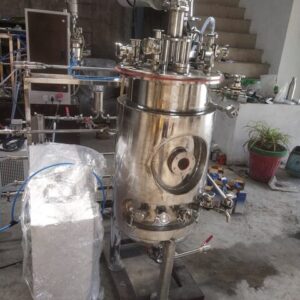
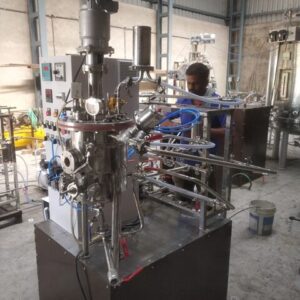
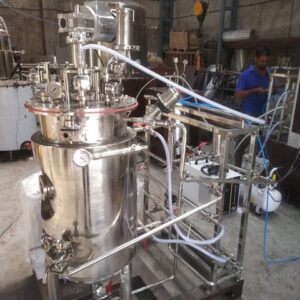
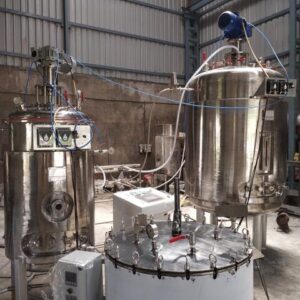
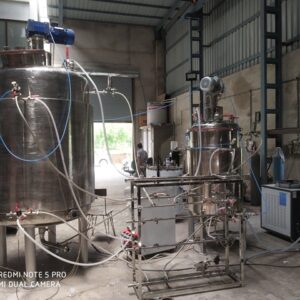
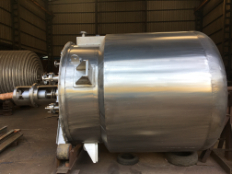
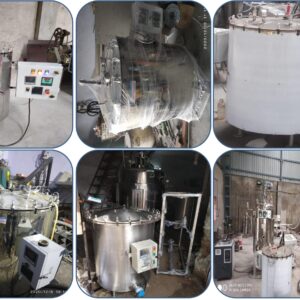
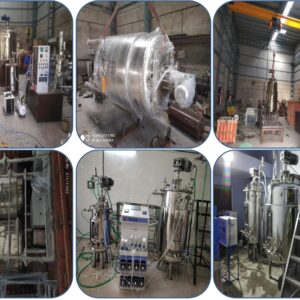
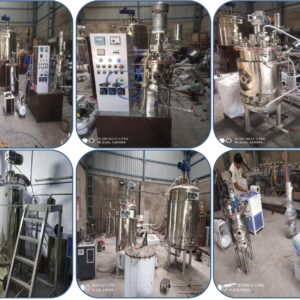
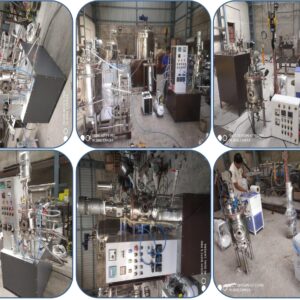
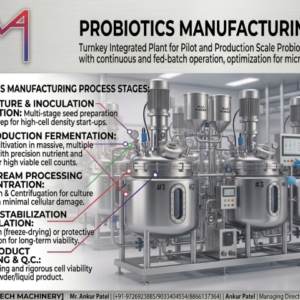
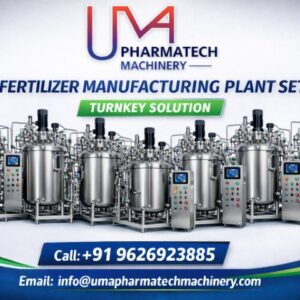
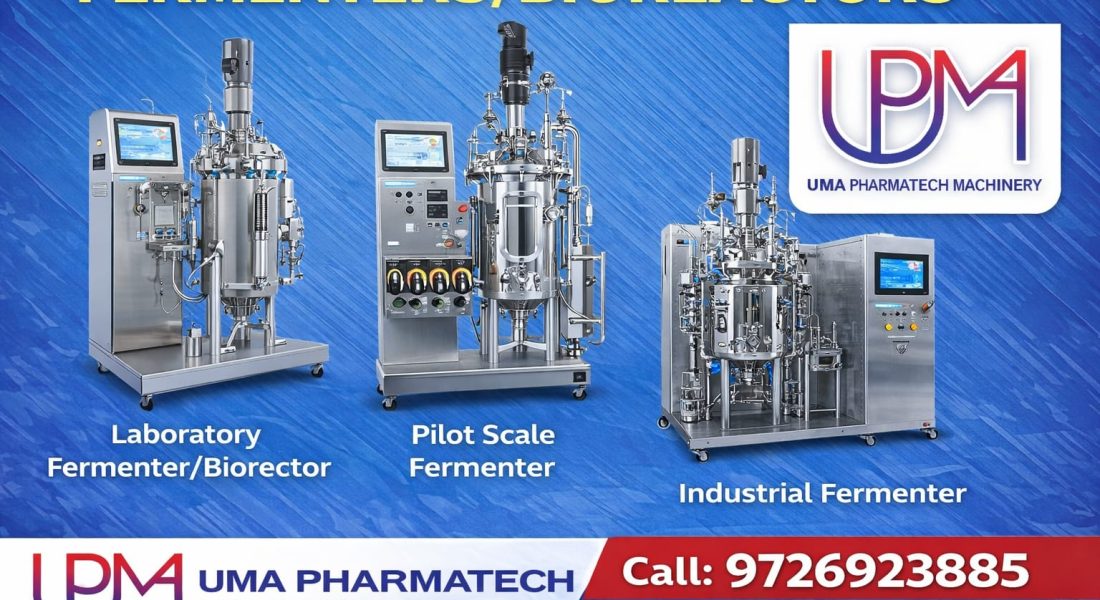
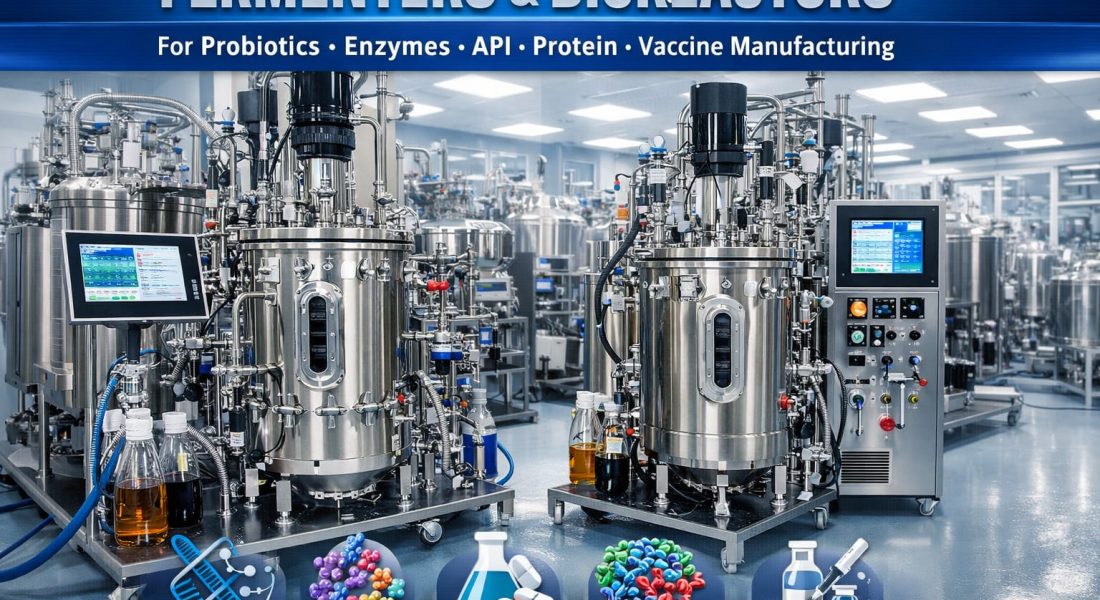
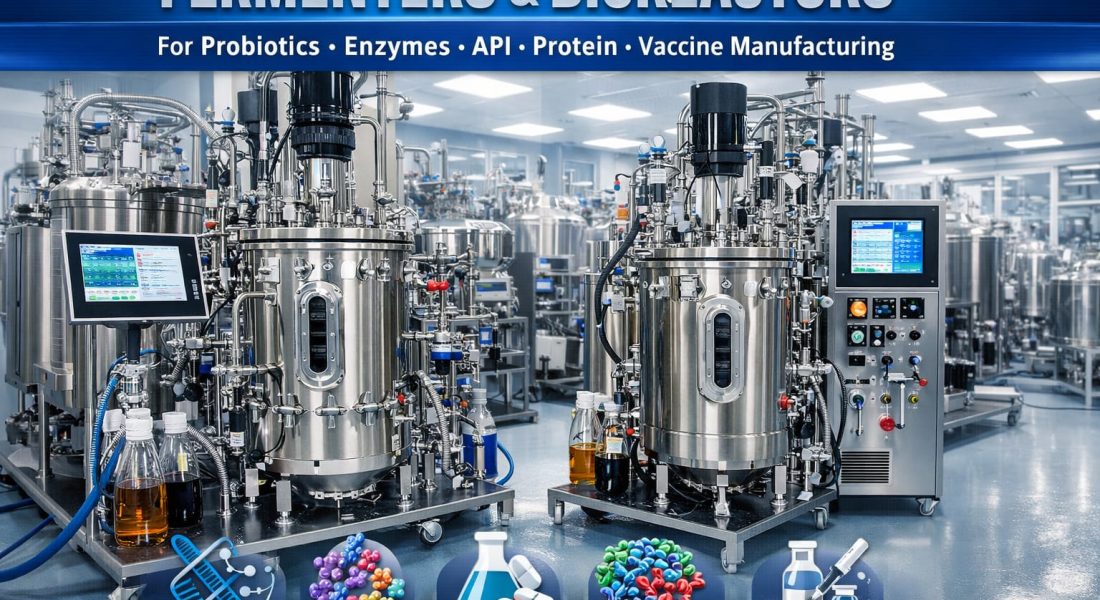
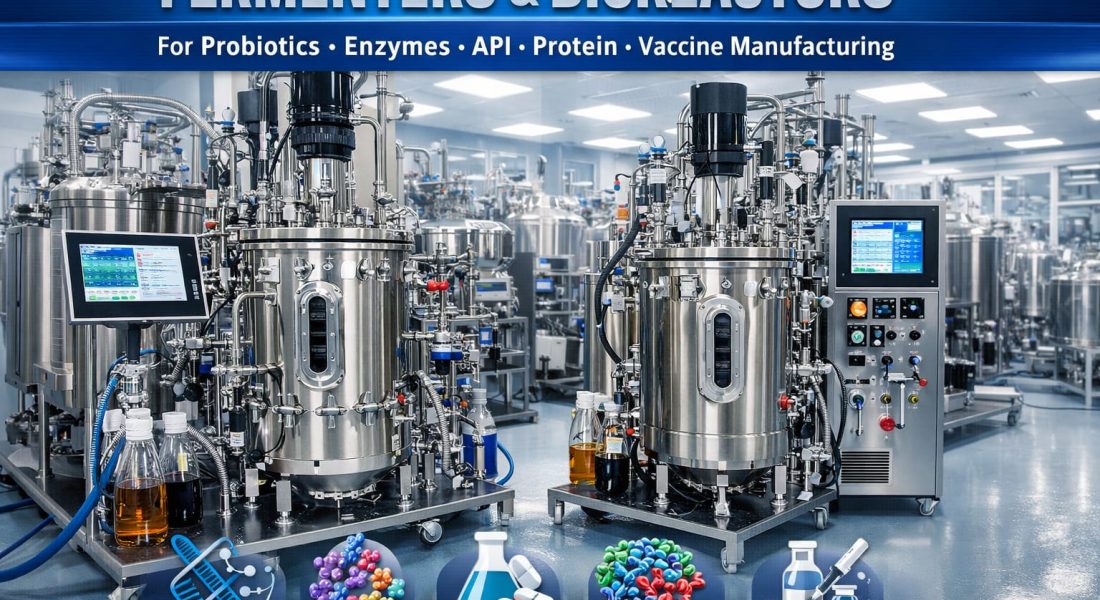
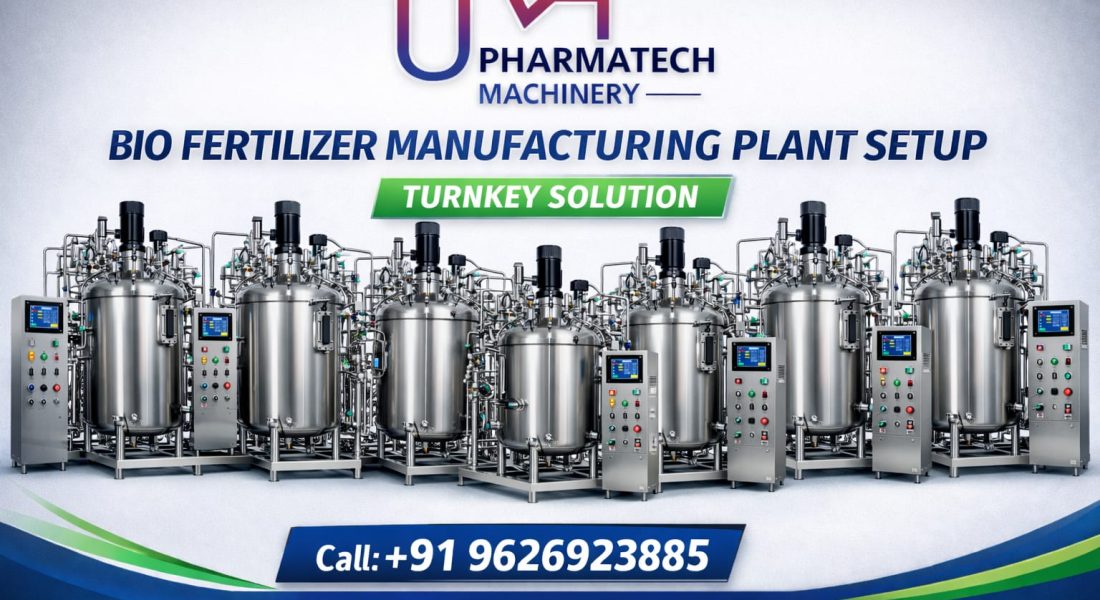
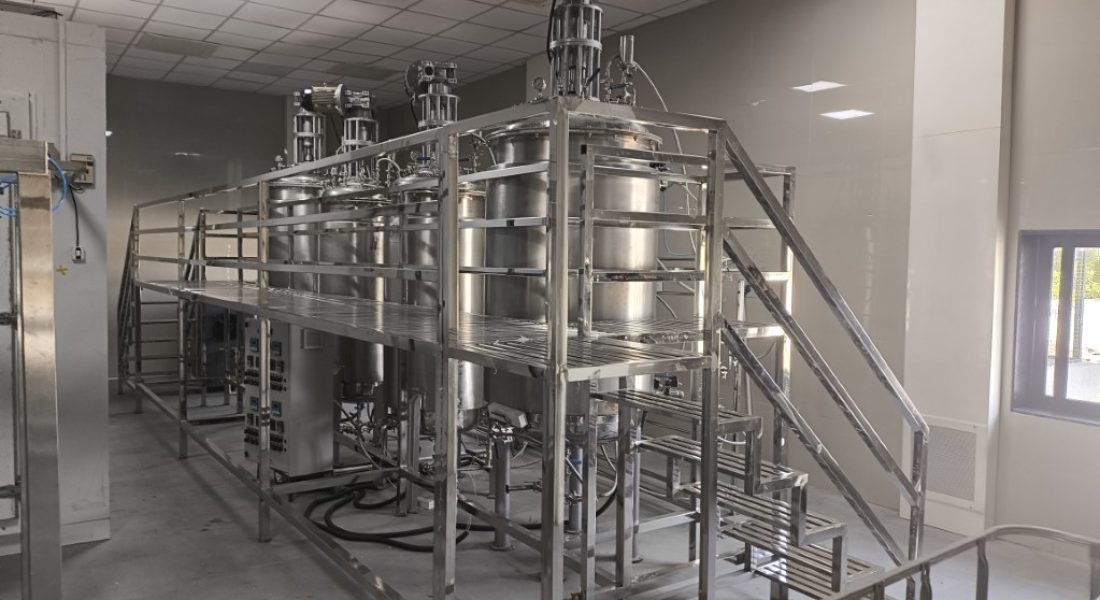
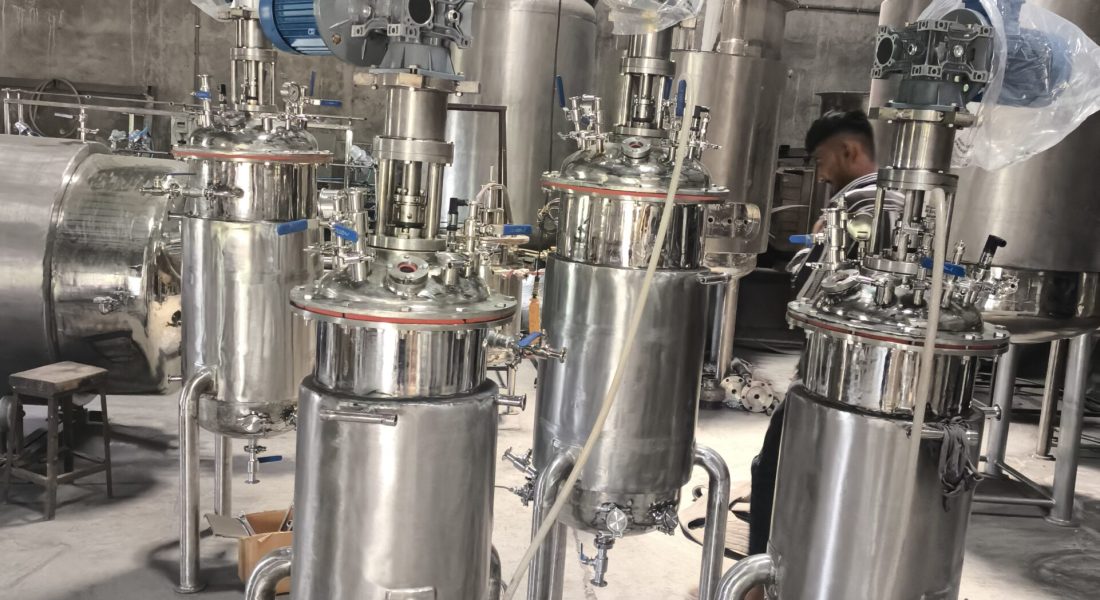
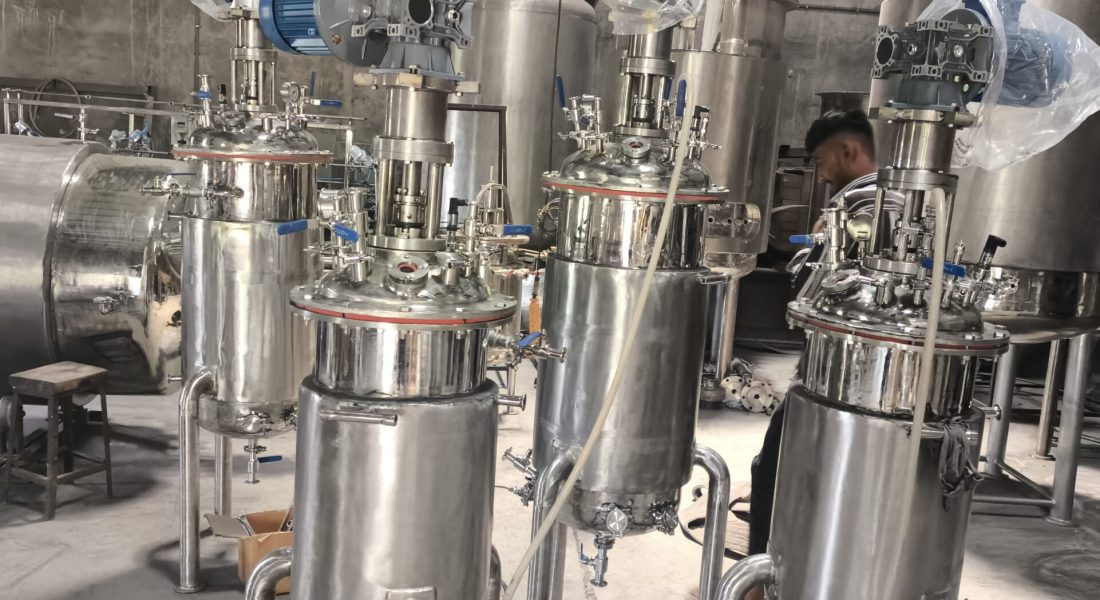
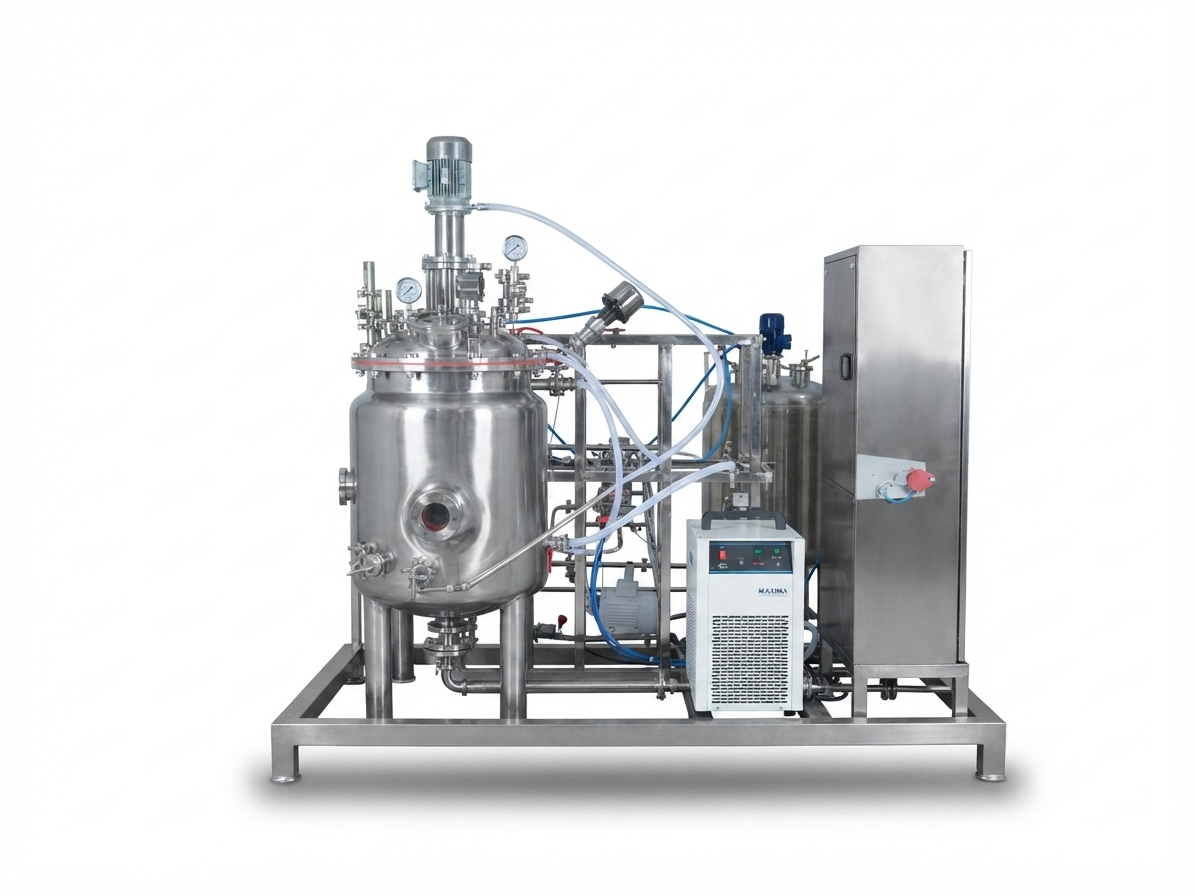
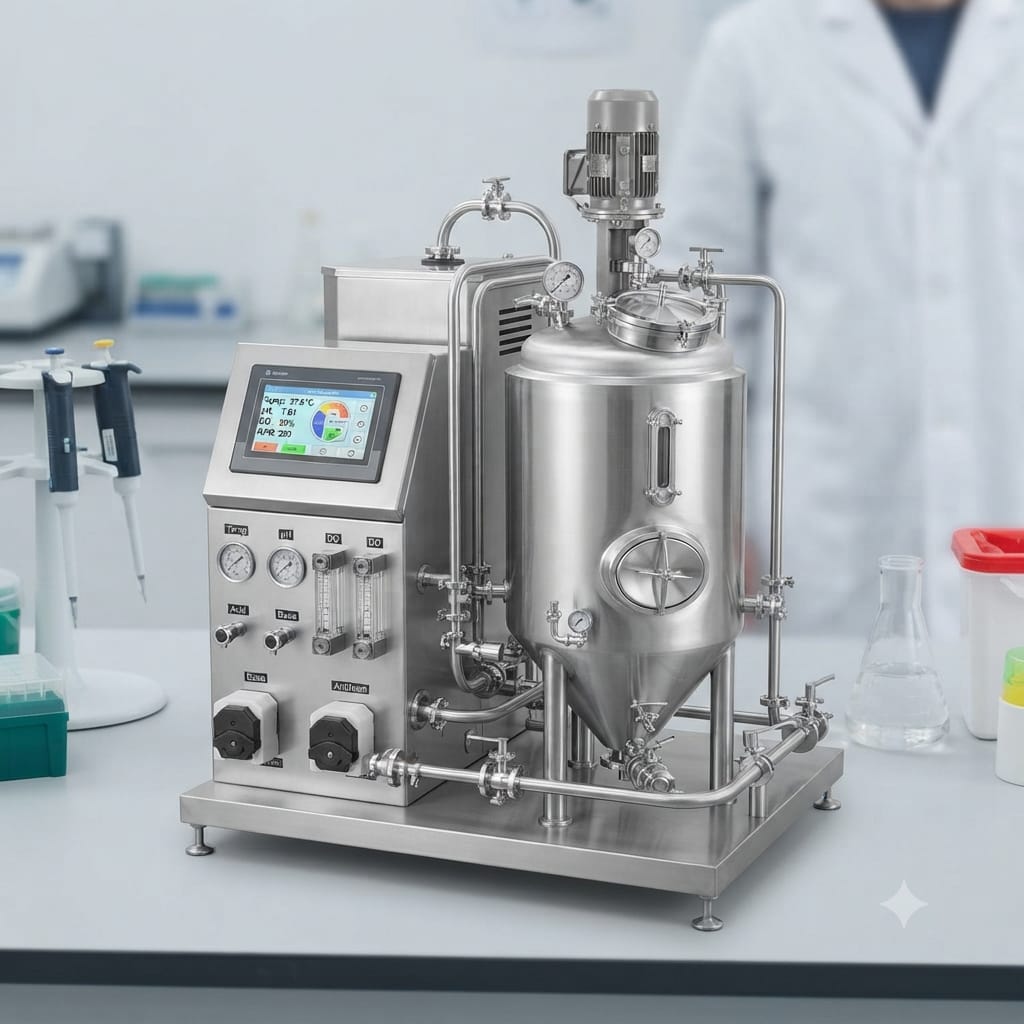
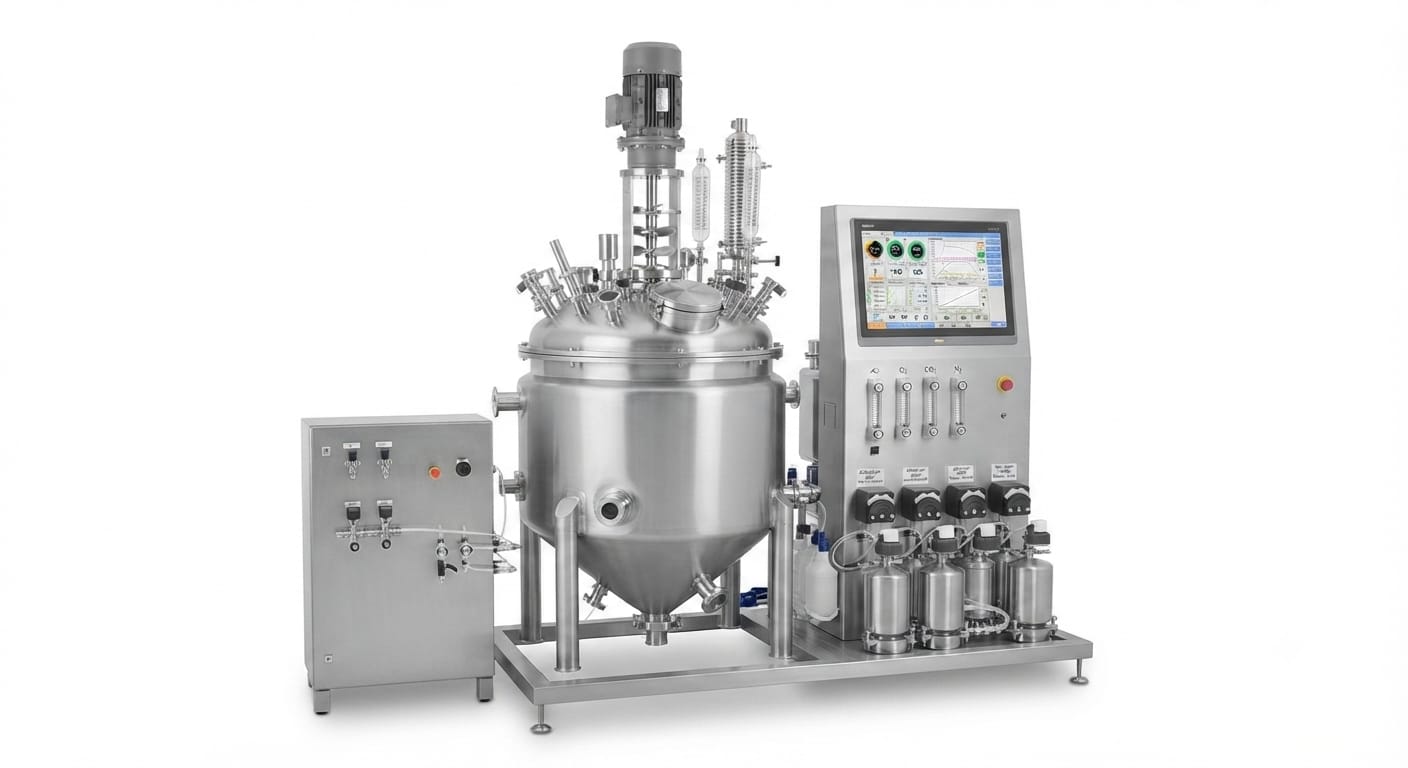
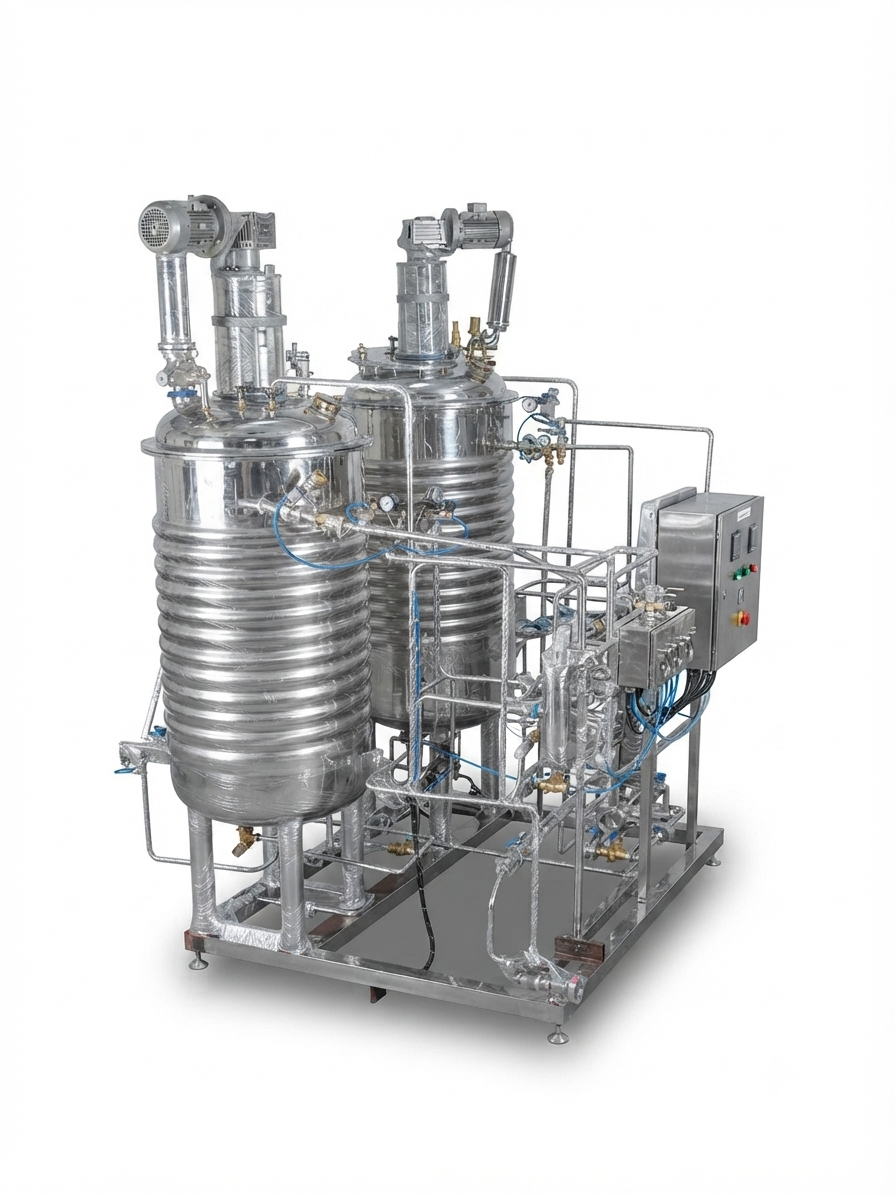
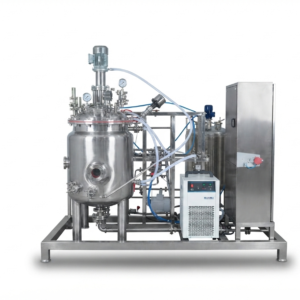
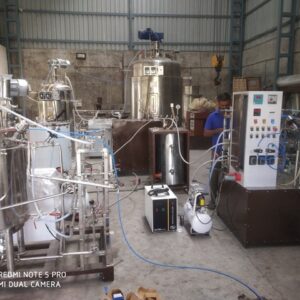
The heart of any biofertilizer plant setup is the fermentation line, where mother cultures are scaled up under sterile conditions. These stainless steel fermenters are equipped with advanced agitation and aeration systems to maintain optimal dissolved oxygen levels for rapid microbial multiplication. Whether you are producing Rhizobium, Azotobacter, or Acetobacter, the vessel design must prevent cross-contamination to ensure the final product meets stringent regulatory standards for viable cell counts.

Advanced Downstream & Carrier Processing

After the fermentation cycle is complete, a robust biofertilizer plant setup requires efficient harvesting and mixing stations. For carrier-based products, the microbial broth is blended with sterilized peat, lignite, or charcoal using high-efficiency ribbon blenders to ensure uniform distribution. If the focus is on liquid biofertilizers, the plant must include specialized stabilization tanks and sterile filling lines that preserve the shelf-life and metabolic activity of the microbes during storage and transit.

Quality Control & Sterilization Systems

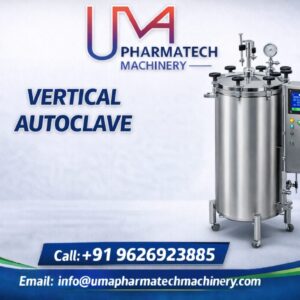
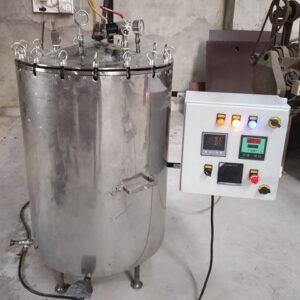
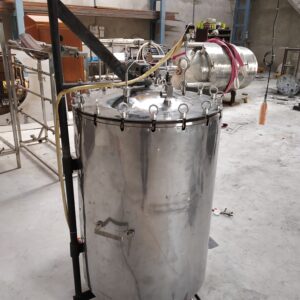
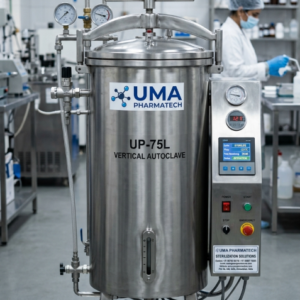
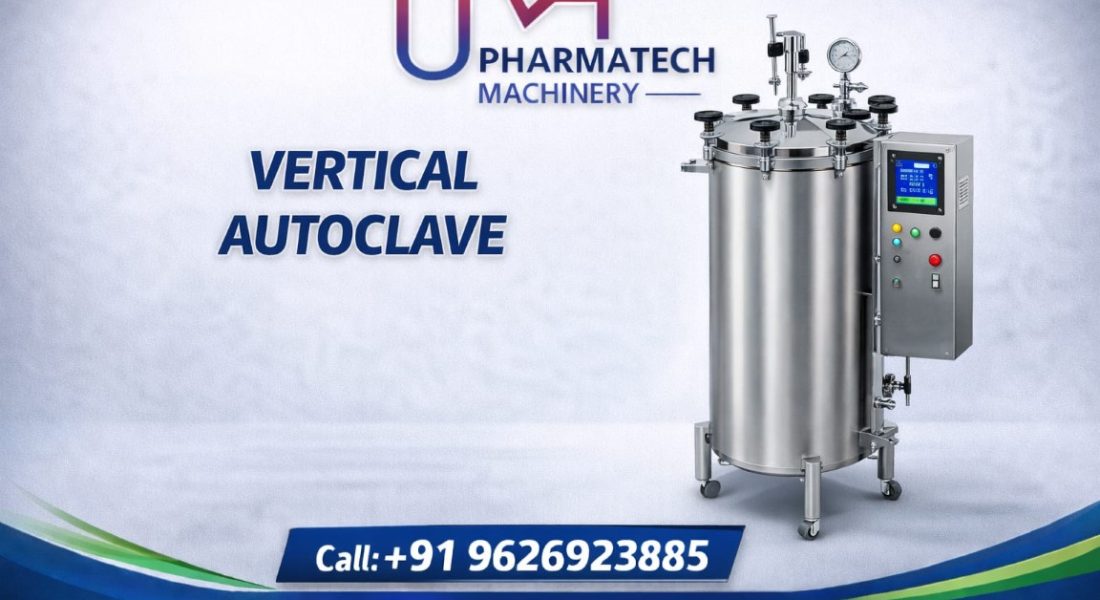
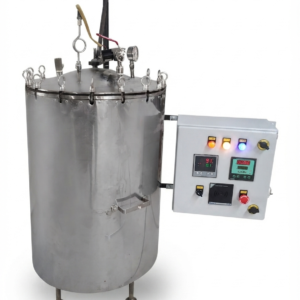
Maintaining a “clean-room” environment is non-negotiable in a professional biofertilizer plant setup. This involves the installation of industrial autoclaves for sterilizing carrier materials and sophisticated SIP (Sterilization-In-Place) systems for the fermentation vessels. A dedicated quality control laboratory is integrated into the layout to monitor batch purity, ensuring that every liter or kilogram produced is free from pathogenic organisms and reaches the required microbial concentration ( to cells/ml).

Sustainable Infrastructure & Waste Management

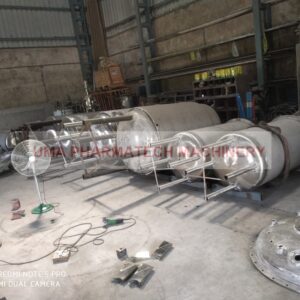
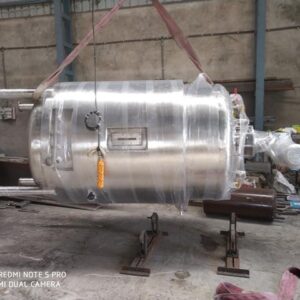
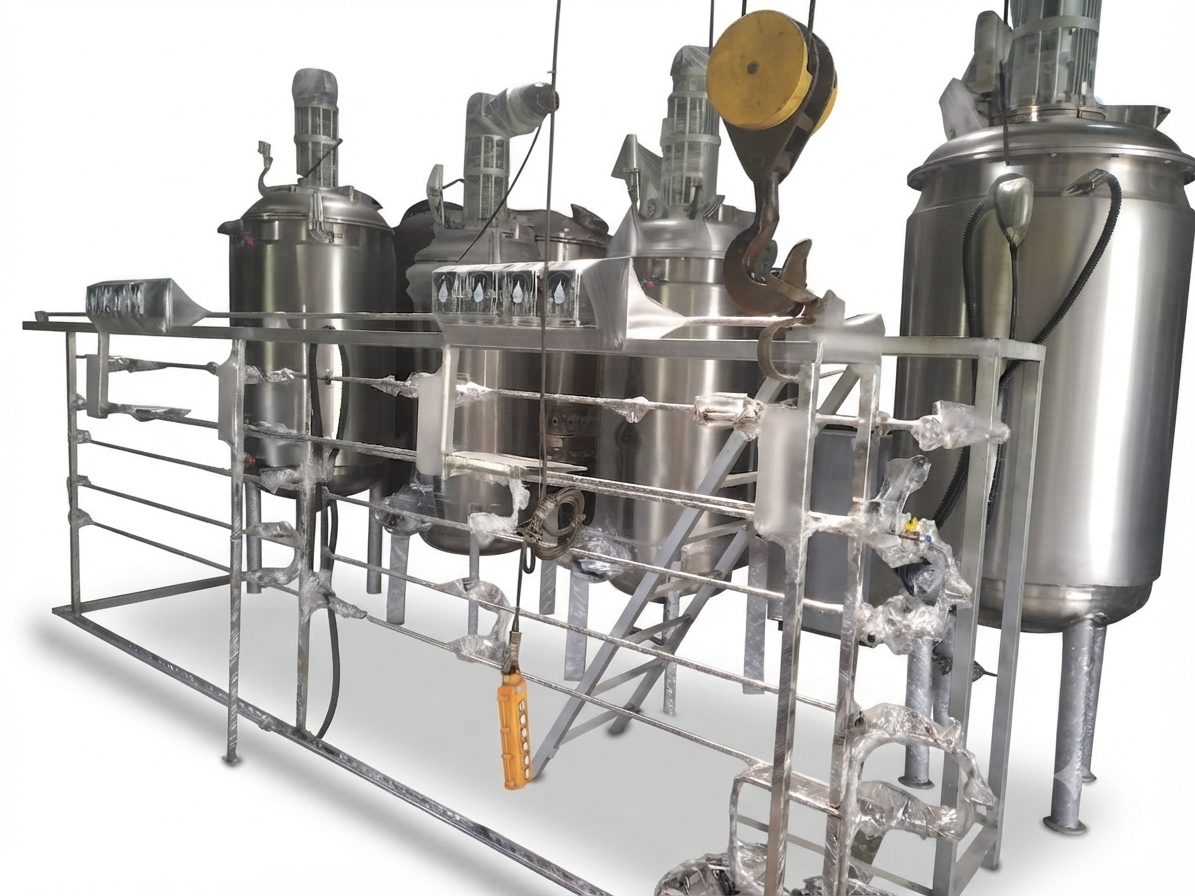
Modern industrial engineering for a biofertilizer plant setup prioritizes resource efficiency and environmental safety. This includes the installation of effluent treatment plants (ETP) to manage process water and energy-efficient cooling towers for temperature regulation during the exothermic fermentation phase. By utilizing modular designs, these plants can be scaled up as market demand grows, allowing manufacturers to expand their product range from basic bio-inoculants to specialized bio-pesticides and growth promoters.

Biofertilizer Plant Setup

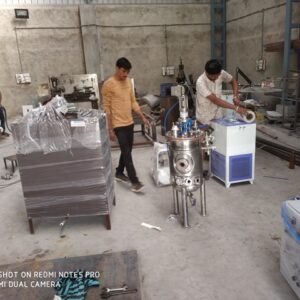
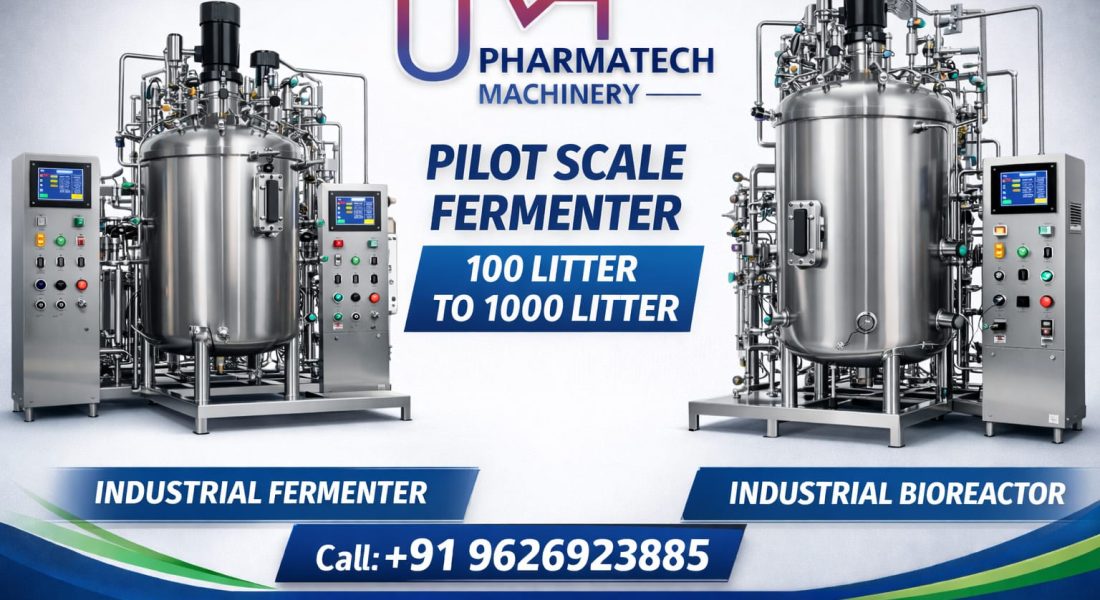
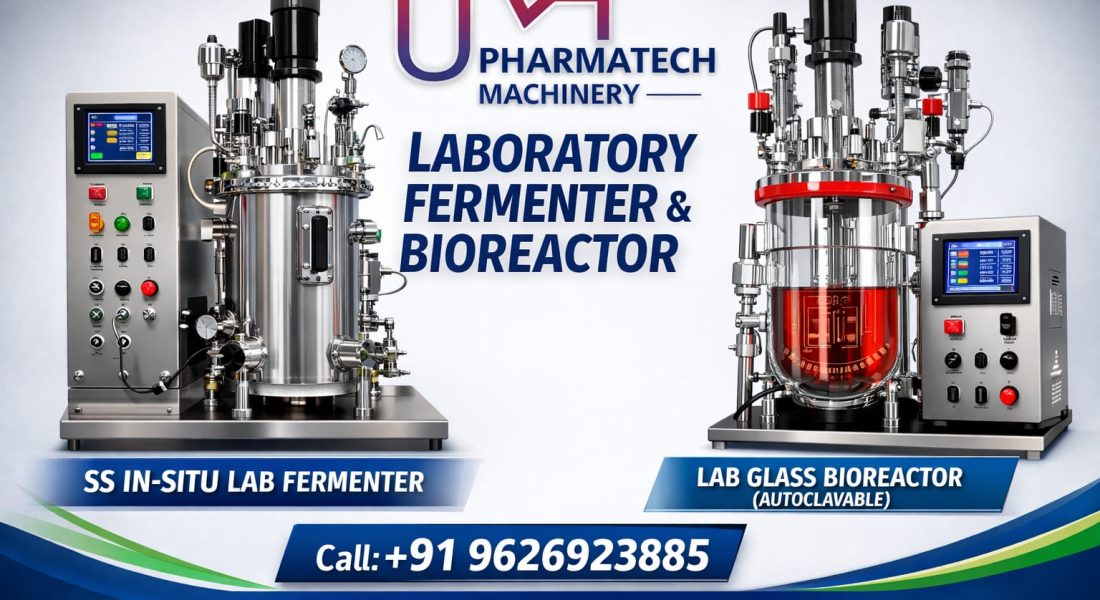
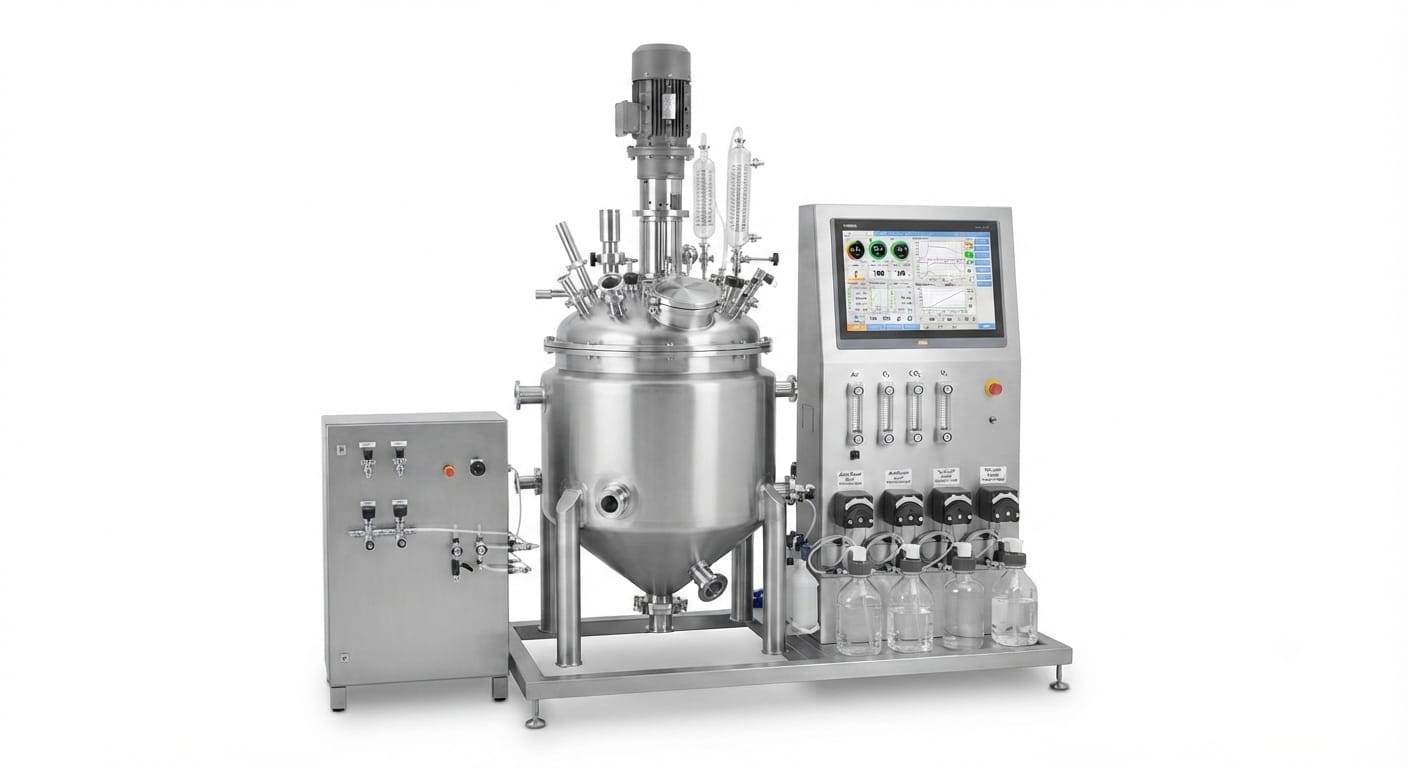
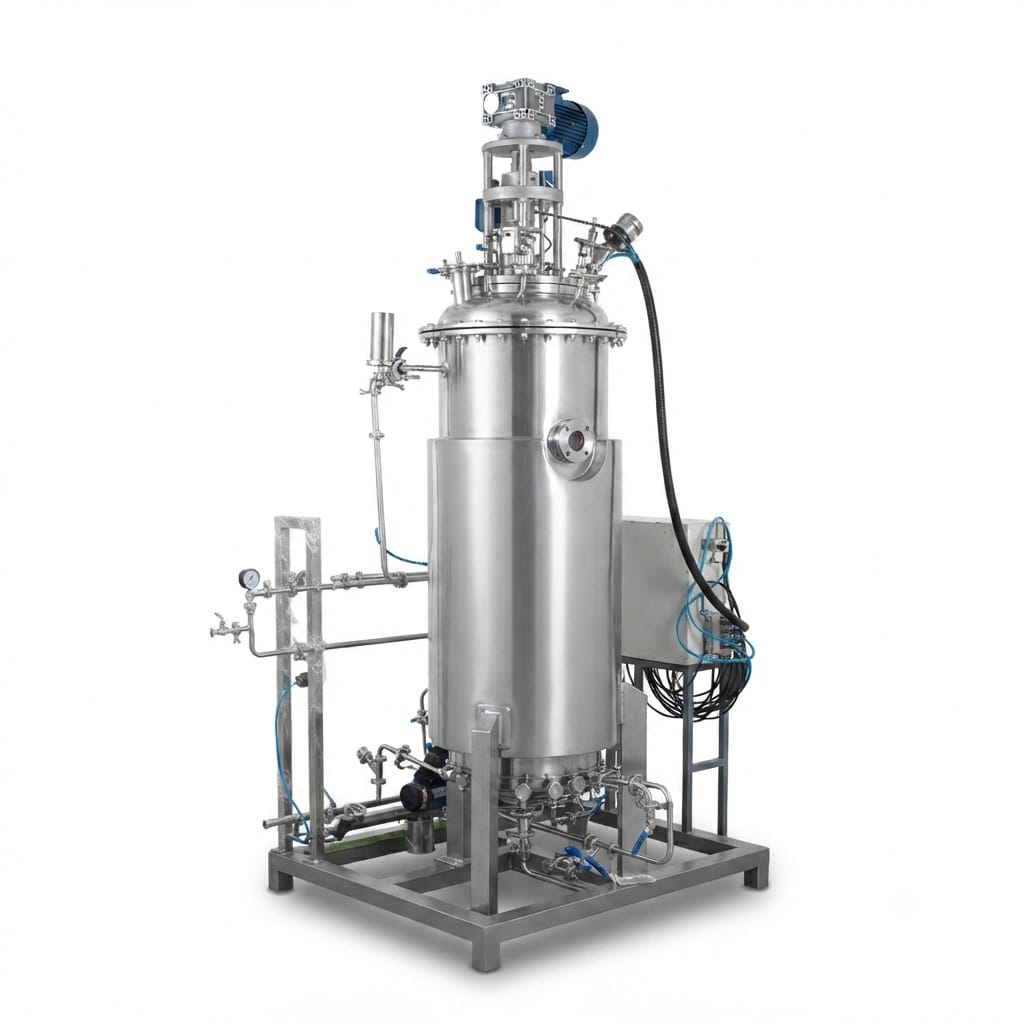
Setting up a Biofertilizer Plant requires a strategic blend of microbiology, process engineering, and cost-effective equipment. With a 500 Liter Basic Fermenter as your primary production vessel, you can achieve a high-output facility capable of producing liquid or carrier-based bio-fertilizers like Rhizobium, Azotobacter, and PSB.

Below is a comprehensive guide to the essential components, workflow, and technical requirements for a professional biofertilizer setup.


1. Core Infrastructure & Equipment

A standard plant is divided into three functional zones: the Laboratory (Seed Culture), the Fermentation Room (Scaling), and the Packaging Area.

Technical Setup Overview

Stage Equipment Required Key Function
Inoculation Laminar Air Flow (LAF) Ensuring a sterile environment for mother culture transfer.
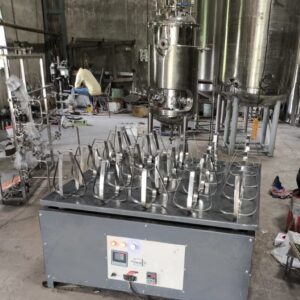
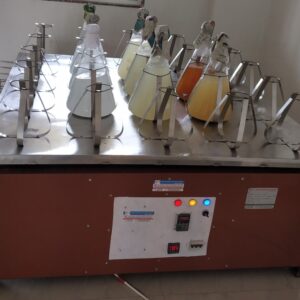
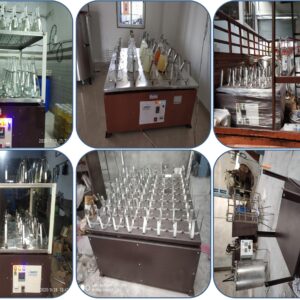
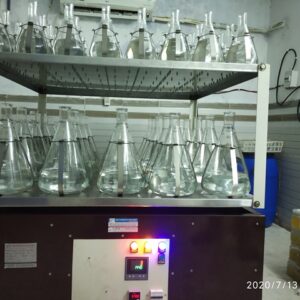
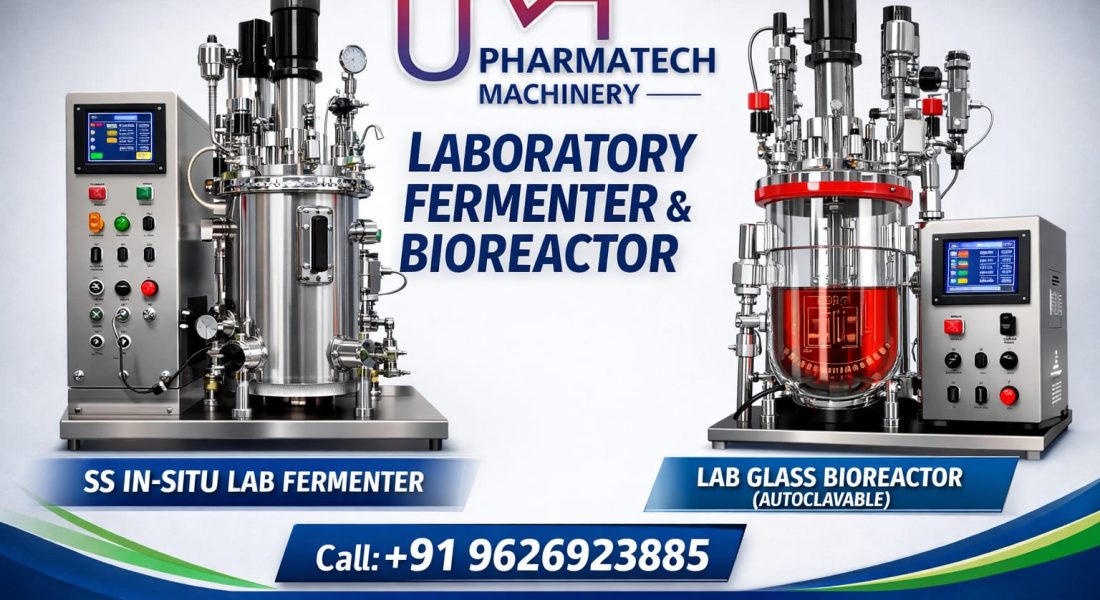
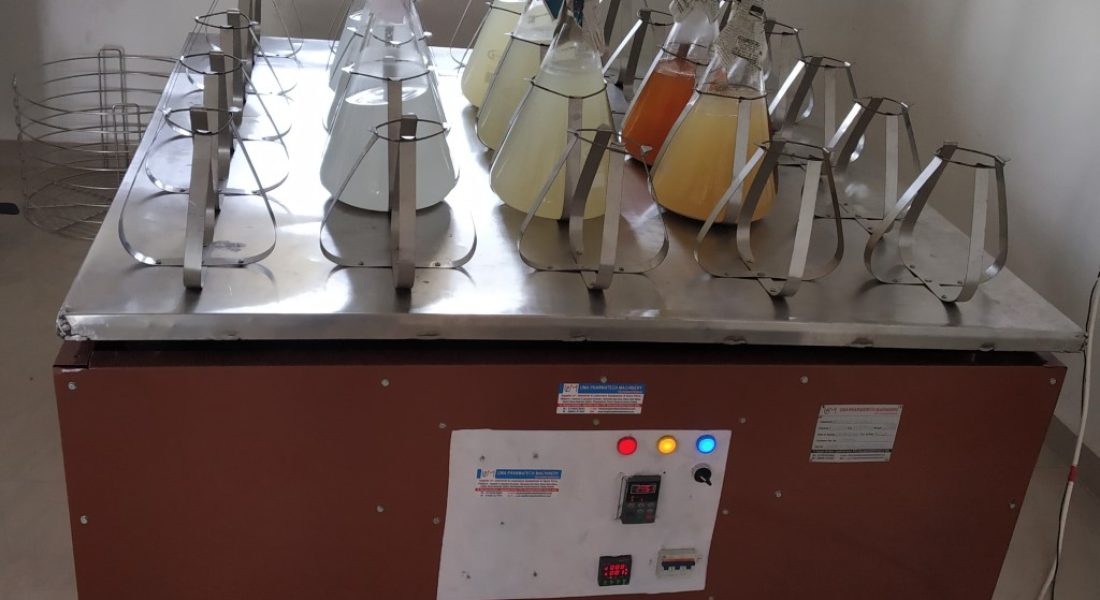
Seed Scaling Shaking Incubator / 10L Glass Fermenter Developing the microbial population before the main batch.
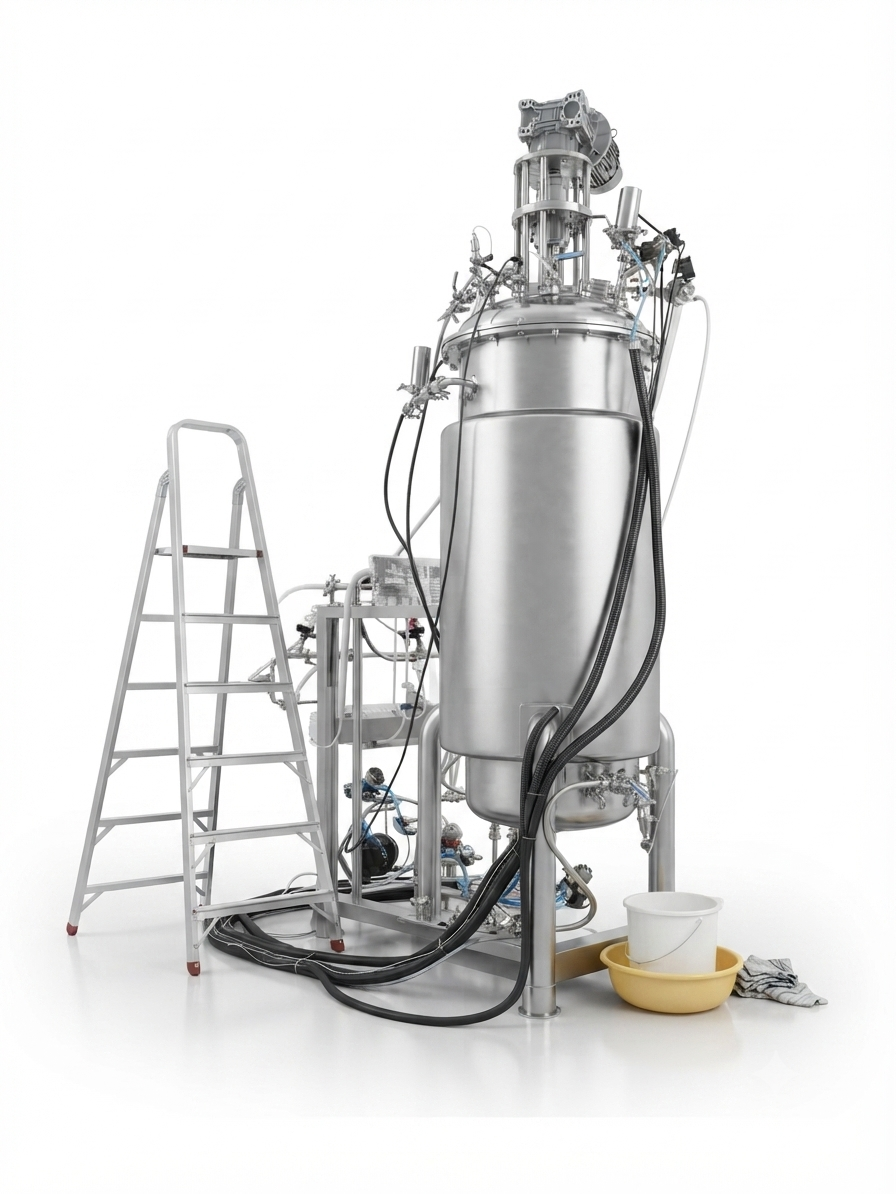
Main Production 500L Basic Fermenter Large-scale biomass multiplication under controlled temp/aeration.
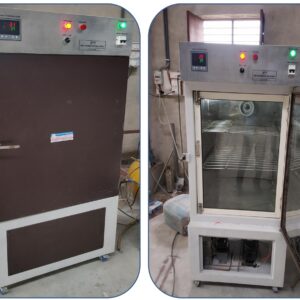
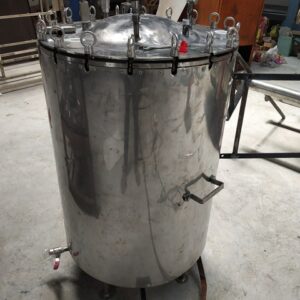
Quality Control Autoclave & Microscope Sterilizing media and checking for contamination/cell count.
Downstream Peristaltic Pumps & Filling Machine Transferring finished product to bottles or carrier mixing units.

2. The Role of the 500L Basic Fermenter

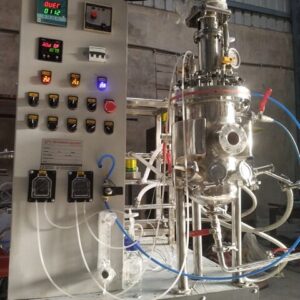
In a biofertilizer setup, the Basic Model is often preferred because bio-fertilizer microbes (like N-fixing bacteria) are generally robust and do not always require the extreme automation of a “Pro” model.

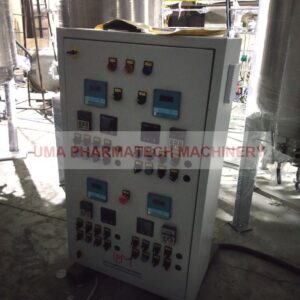
  • Temperature Stability: Uses a Pt-100 sensor and semi-auto control to maintain the “sweet spot” (usually 28°C–32°C) for microbial growth.

  • Aeration: Essential for aerobic bacteria. The Rotameter allows the operator to manually tune oxygen levels to maximize cell density.

  • Inbuilt Heating: Since many bio-fertilizer plants are in varying climates, the “On Demand” heater feature ensures the batch doesn’t stall during colder months.


3. Step-by-Step Production Process

Step A: Media Preparation & Sterilization

The “Basic” model supports Semi-Auto Media Sterilization.

  1. Mix the nutrient broth (Carbon and Nitrogen sources) inside the 500L vessel.

  2. Use the steam jacket or internal heater to reach sterilization temperatures (usually 121°C).

  3. Cool the media to the inoculation temperature using the process cooling control.

Step B: Inoculation & Fermentation

  1. Introduce the 5%–10% mother culture via the inoculation port.

  2. Monitor the Micro Processor Controller. Ensure the Agitation Control is set to keep the media homogenous.

  3. Use the Rotameter to maintain a steady flow of sterile air.

Step C: Harvesting & Mixing

Once the cell count reaches $10^8$ or $10^9$ CFU/ml:

  1. Use the Fixed Speed Peristaltic Pumps (On-Demand feature) to transfer the liquid.

  2. For Liquid Biofertilizer: Add stabilizers and bottle immediately.

  3. For Carrier-based: Mix the broth with sterilized lignite, peat, or charcoal.


4. Strategic Planning for New Setups

Utility Requirements (Buyer Scope)

To run a 500L Basic unit effectively, your facility must provide:

  • Power: Stable 3-phase power for the agitation motor and heaters.

  • Water: Process water for media and cooling water for the jacket.

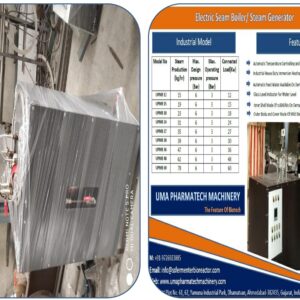
  • Steam/Air: A small boiler for sterilization and an oil-free compressor for aeration.

Cost Optimization

The Basic Model helps reduce initial CAPEX (Capital Expenditure). By focusing on manual “Buyer Scope” items like Piping and Installation, a startup can allocate more budget toward high-quality mother cultures and marketing.

Pro Tip: While the Basic model doesn’t include automatic pH control, many bio-fertilizer producers use buffered media to naturally maintain pH levels, making the Basic model a highly efficient choice for this specific industry.
FAQS

Frequently Asked Questions (FAQs)
1. What is the minimum land requirement for a biofertilizer plant setup?
A small to medium-scale unit typically requires between 3,000 to 5,000 square feet, depending on whether you are producing liquid, carrier-based, or both types of biofertilizers.

2. Which microorganisms are most commonly produced in these plants?
The primary focuses are usually Nitrogen fixers (Azotobacter, Rhizobium), Phosphorus Solubilizing Bacteria (PSB), and Potassium Mobilizing Biofertilizers (KMB).

3. Does a biofertilizer plant setup require specific government licenses?
Yes, in India, you must obtain a license under the Fertilizer Control Order (FCO), along with standard industrial permissions such as GST registration and Pollution Control Board (PCB) clearance.

4. What is the typical capacity of fermenters used in a startup plant?
Most startups begin with a 500L or 1,000L fermenter, which provides a manageable balance between production volume and initial capital investment.

5. How long does it take to complete one production batch?
A typical microbial fermentation cycle takes between 3 to 7 days, depending on the doubling time of the specific bacterial or fungal strain being cultivated.

6. Can the same machinery produce bio-pesticides?
Yes, with proper sterilization protocols (SIP/CIP), the fermentation and mixing equipment in a biofertilizer plant setup can often be used to produce bio-pesticides like Trichoderma or Beauveria.

7. What is the shelf life of the products manufactured?
Liquid biofertilizers generally have a shelf life of 12 to 24 months, while carrier-based powders typically last about 6 to 12 months when stored in cool, dry conditions.

8. What kind of power supply is required for the plant?
A medium-scale plant usually requires a 3-phase power connection (30–50 HP) to run the fermenter motors, compressors, cooling systems, and packaging machinery.
9. Is training provided for operating the fermentation equipment?
Reputable equipment manufacturers provide comprehensive onsite training for the technical team, covering culture inoculation, fermentation monitoring, and sterilization procedures.
10. What is the estimated ROI for a biofertilizer plant?
Due to the increasing demand for organic inputs and relatively low raw material costs (mostly media salts and sugar sources), most plants achieve a break-even point within 18 to 24 months of full-scale operation.

Reviews

There are no reviews yet.

Be the first to review “Biofertilizer Plant Setup”

Your email address will not be published. Required fields are marked *