1. How do I choose the right agitator for my mixing tank?
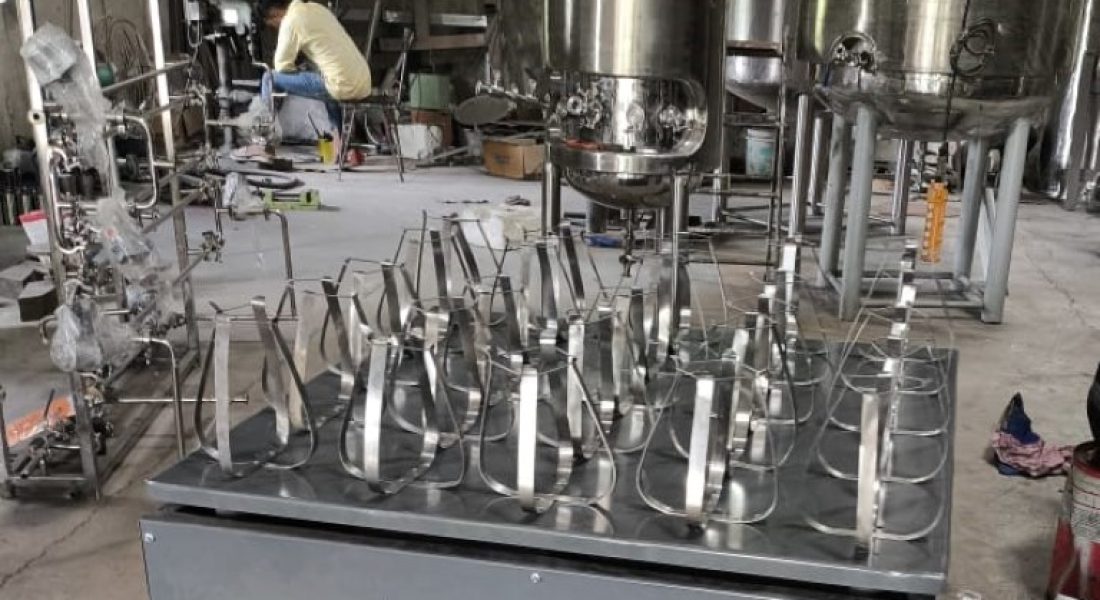
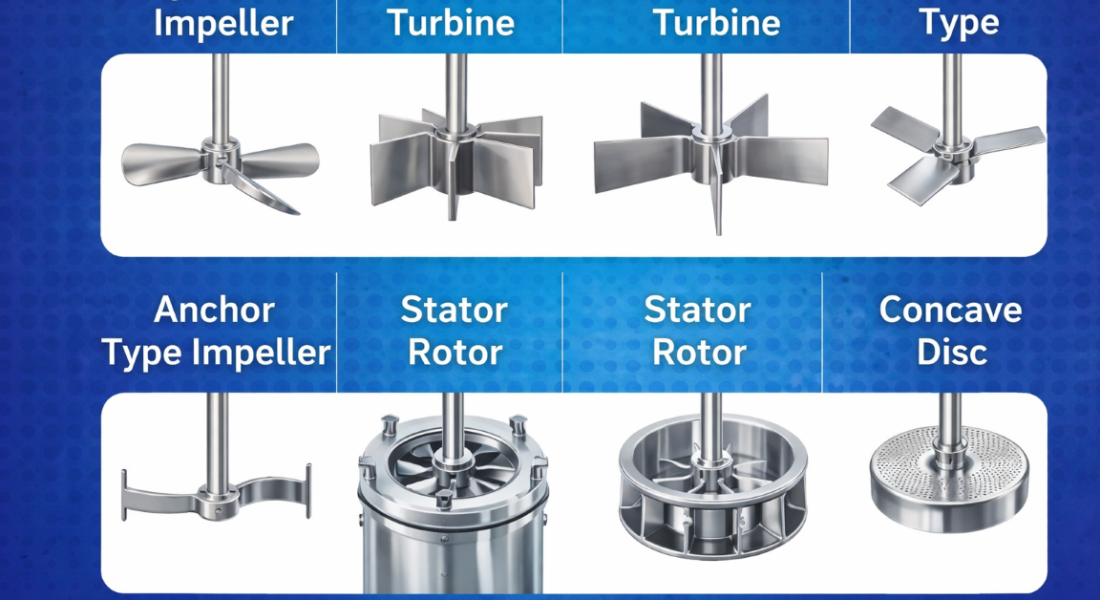
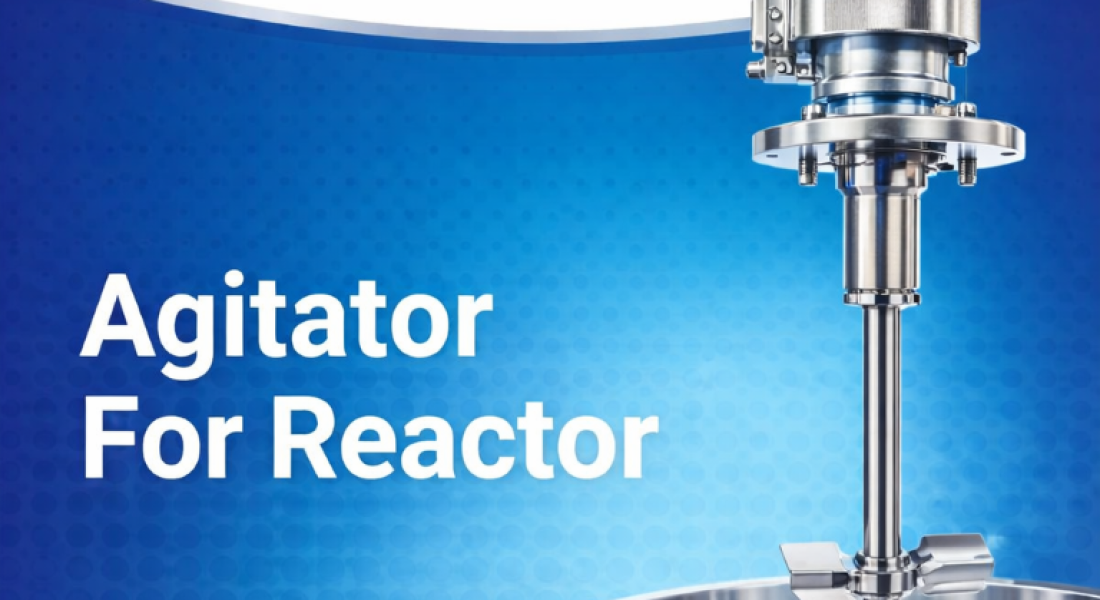
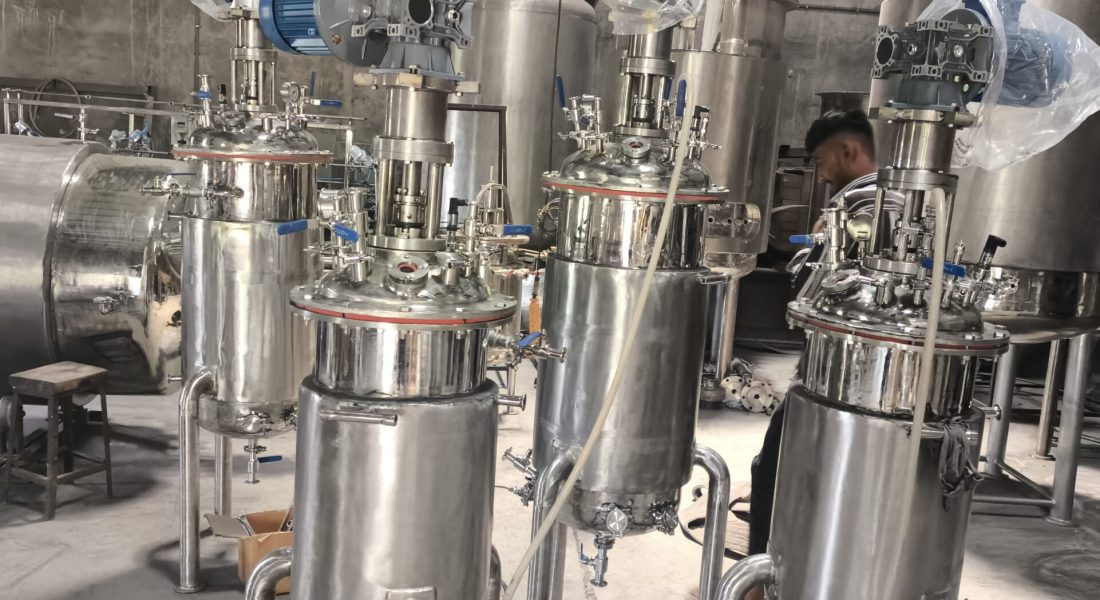
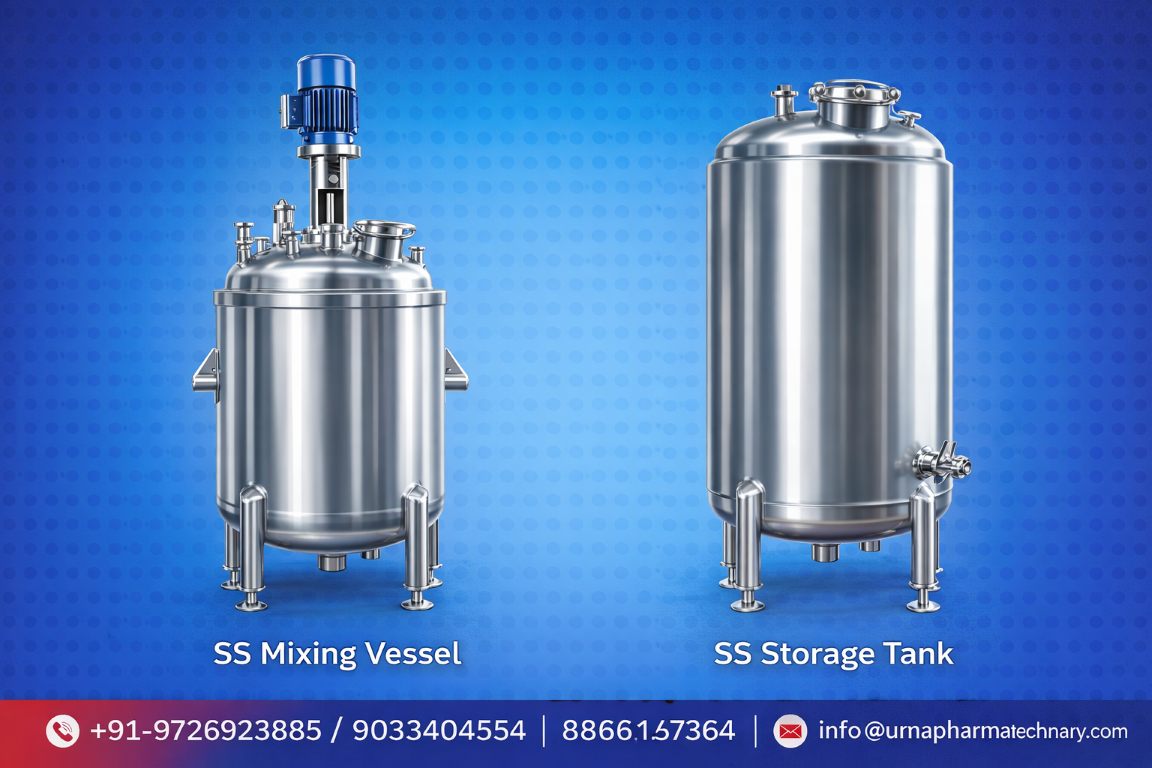
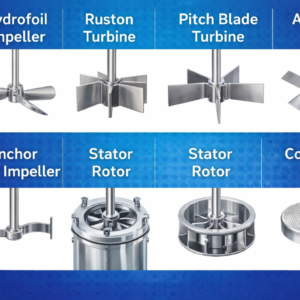
The choice depends on the viscosity of your fluid. Low-viscosity fluids usually require high-speed propellers or turbines, while high-viscosity materials need slow-speed anchor or paddle agitators to move the bulk mass effectively.
2. Can a mixing tank handle both liquids and powders?
Yes, specialized high-shear mixers or cowles-type blades are designed specifically to incorporate powders into liquids without forming lumps or "fish-eyes."
3. What materials are used to construct the mixing tank?
The most common materials are Stainless Steel 304 and 316L. SS 316L is generally preferred for pharmaceutical and corrosive chemical applications due to its superior resistance.
4. Is it possible to control the speed of the agitator?
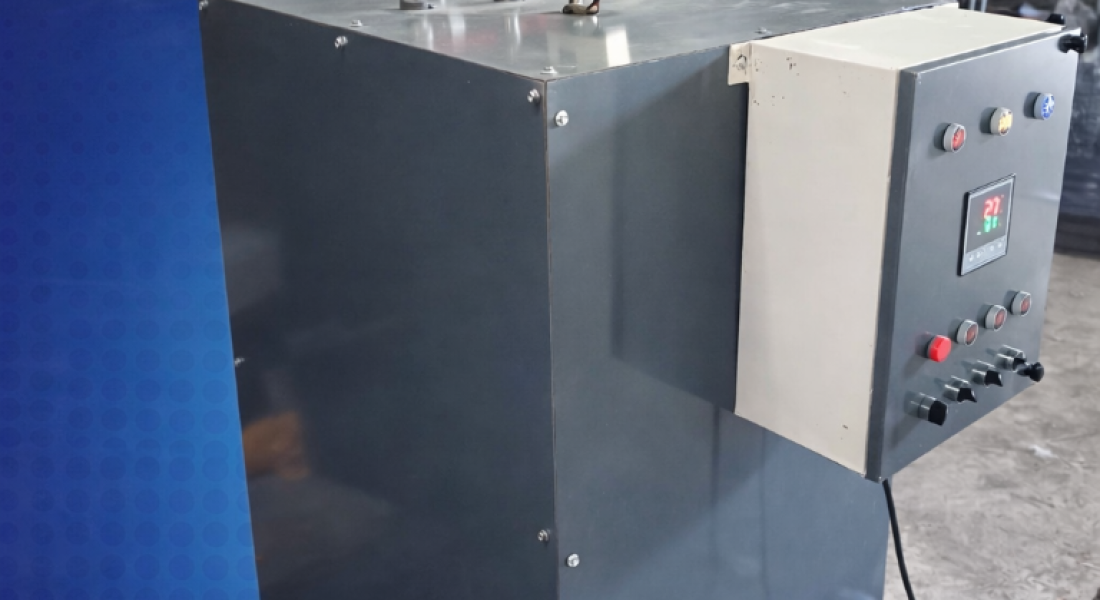
Absolutely. We equip our tanks with Variable Frequency Drives (VFD) that allow for precise control over the rotation speed, which is essential for delicate or multi-stage processes.
5. What is the purpose of baffles in a mixing tank?
Baffles are metal strips attached to the internal wall of the tank. They prevent the liquid from just swirling in a vortex and instead force the flow upward and downward, significantly improving mixing efficiency.
6. Can these tanks be used for heating the product?
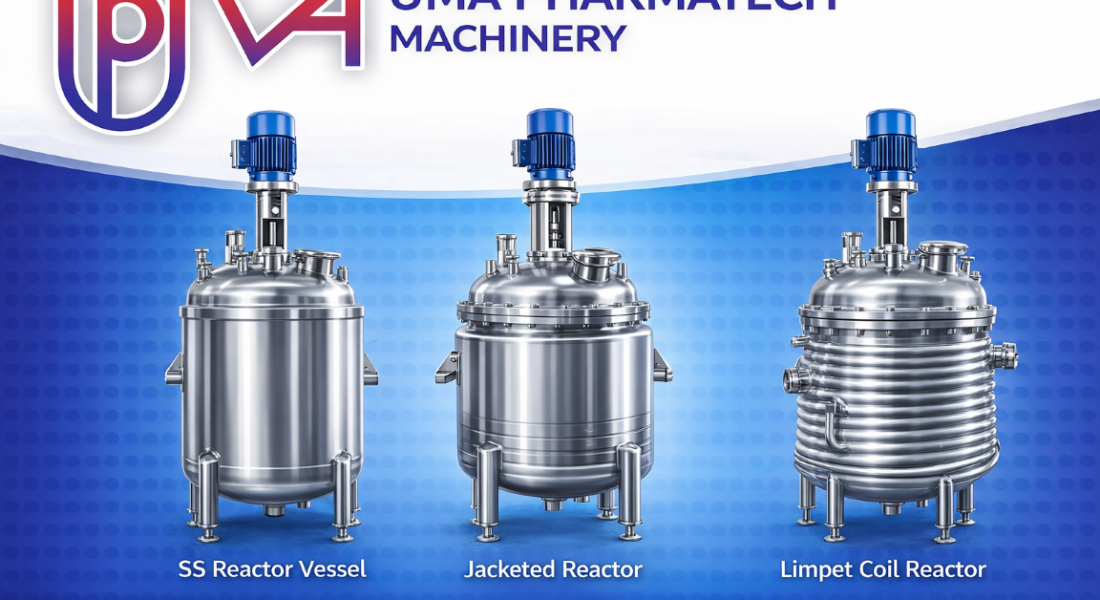
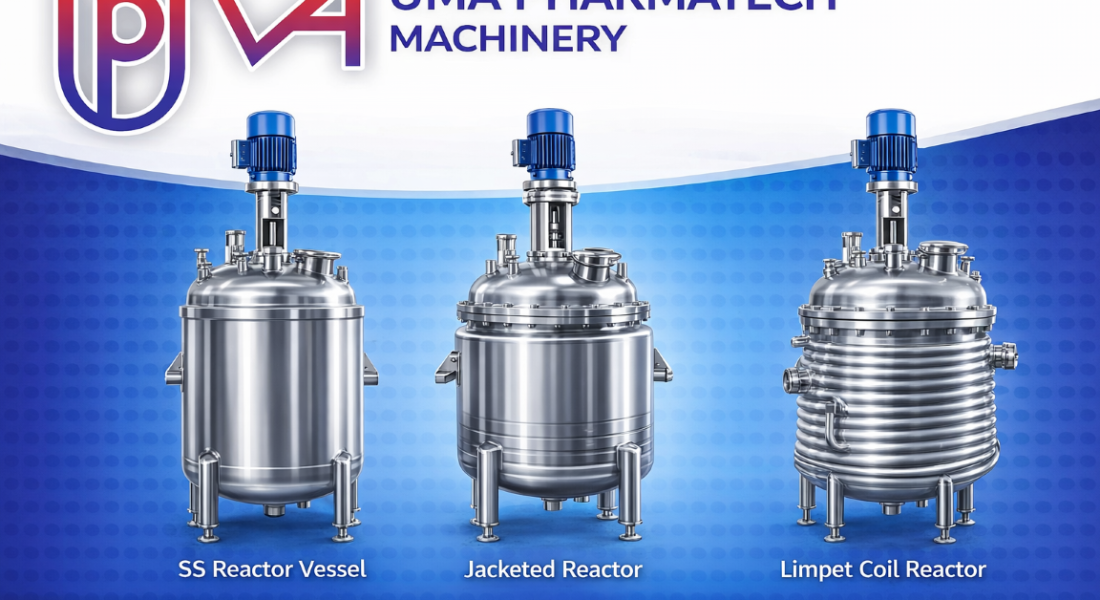
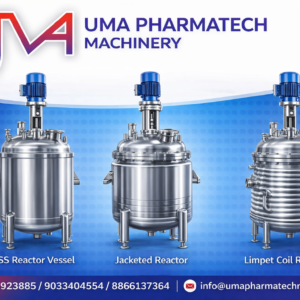
Yes, by adding a jacket (conventional, dimple, or limpet) to the exterior of the tank, you can circulate steam or hot oil to heat the product while it is being stirred.
7. How is the seal maintained at the top of the agitator shaft?
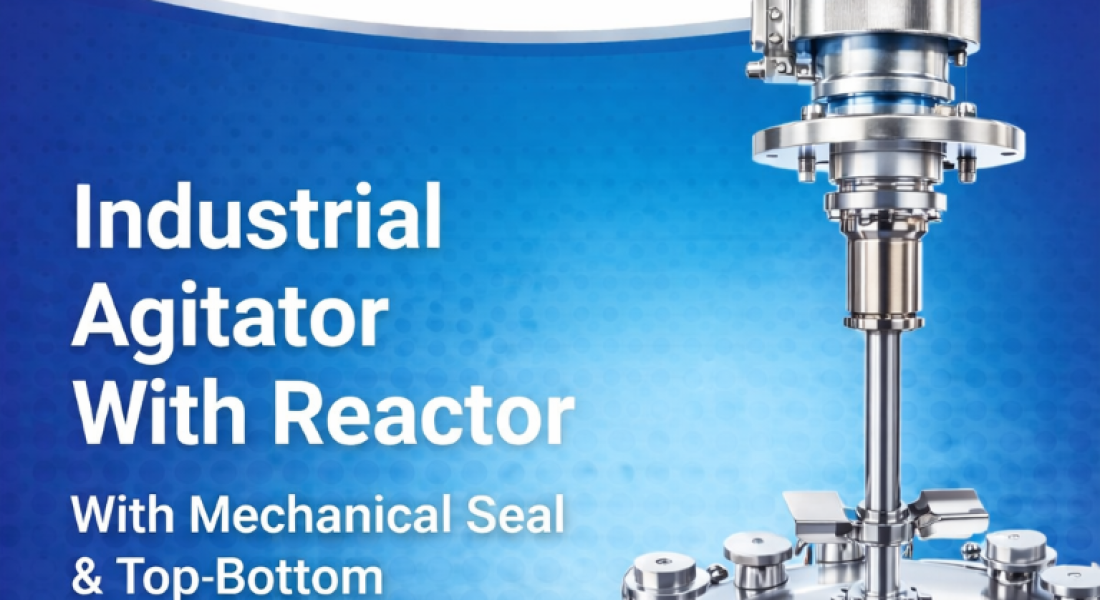
Depending on the pressure requirements, we use either a stuffing box, a single mechanical seal, or a double mechanical seal to prevent leaks and contamination.
8. Are the tanks easy to clean between different batches?
Our sanitary designs include rounded corners and polished surfaces. We also install CIP (Clean-in-Place) spray balls that provide 360-degree coverage for automated cleaning.
9. What power supply is required for the agitator motor?
Standard industrial motors typically require a 3-phase power supply (415V), though smaller units can be customized for single-phase operation if necessary.
10. What is the typical lead time for a custom mixing tank?
Depending on the capacity and complexity (such as jackets or specific instrumentation), a custom-engineered tank typically takes 4 to 8 weeks from design approval to delivery.
|















Reviews
There are no reviews yet.