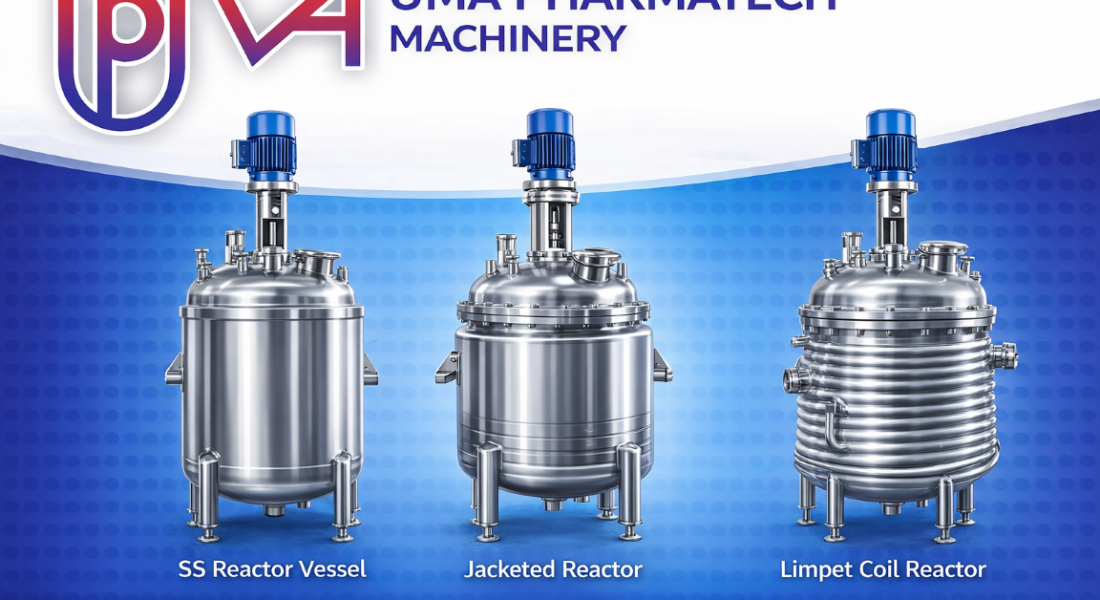
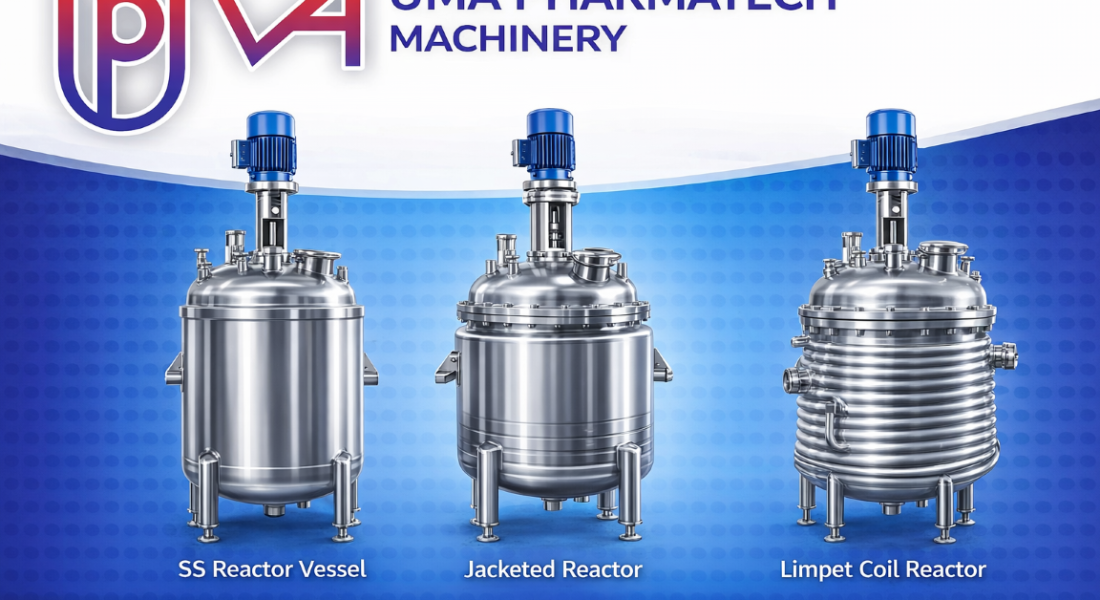
1. What is the main benefit of a limpet coil over a conventional jacket?
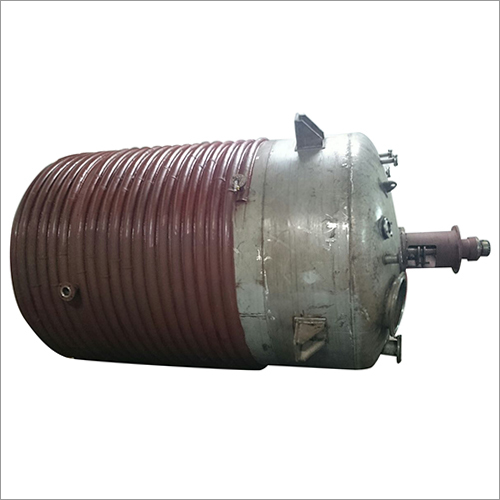
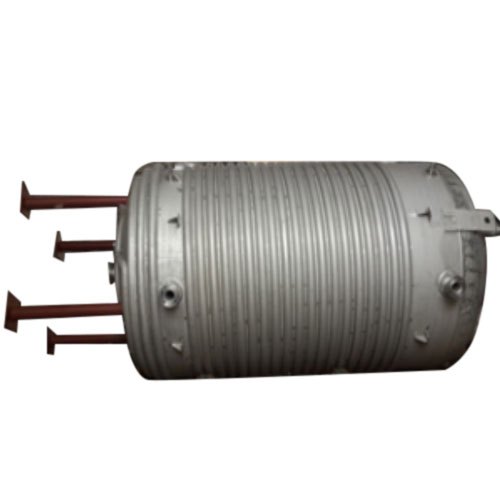
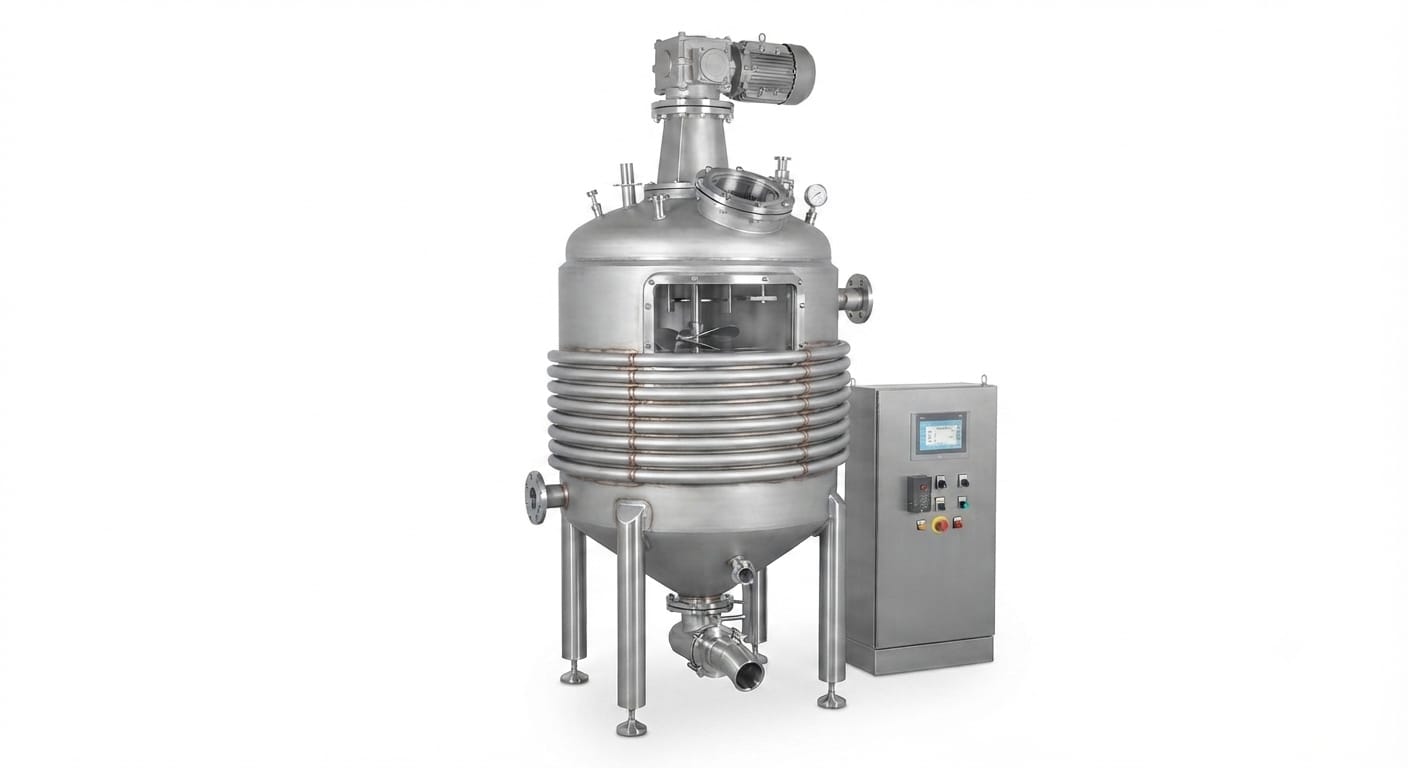
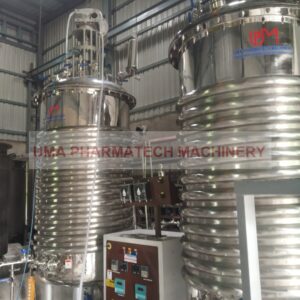
A limpet coil allows for higher fluid velocity and creates more turbulence, leading to superior heat transfer rates. It also allows the vessel to handle higher pressures for the heating/cooling media.
2. Which material is best for a Limpet Coil Reactor?
Stainless Steel 316L is generally preferred for its excellent corrosion resistance, especially in pharmaceutical and food-grade applications, though SS 304 is often used for less corrosive environments.
3. Can a Limpet Coil Reactor be used for both heating and cooling?
Yes, the design is highly versatile. You can run steam or hot oil for heating, followed by chilled water or brine for rapid cooling within the same coil.
4. What is the typical capacity range for these reactors?
Capacities typically range from 50 liters for pilot plants to 50,000 liters for large-scale industrial manufacturing.
5. How is the limpet coil welded to the shell?
It is usually attached using high-quality MIG or TIG welding. In high-pressure applications, the welding is strictly monitored and often undergoes DP (Dye Penetrant) or Radiography testing.
6. Does a limpet coil reduce the shell thickness of the reactor?
Yes, because the coil provides additional structural support to the vessel shell, engineers can often specify a slightly thinner shell compared to a non-jacketed vessel of the same pressure rating.
7. Can the coil be divided into multiple sections?
Absolutely. Many reactors feature "split limpets," allowing for independent control of the bottom dish and various shell sections to optimize thermal management.
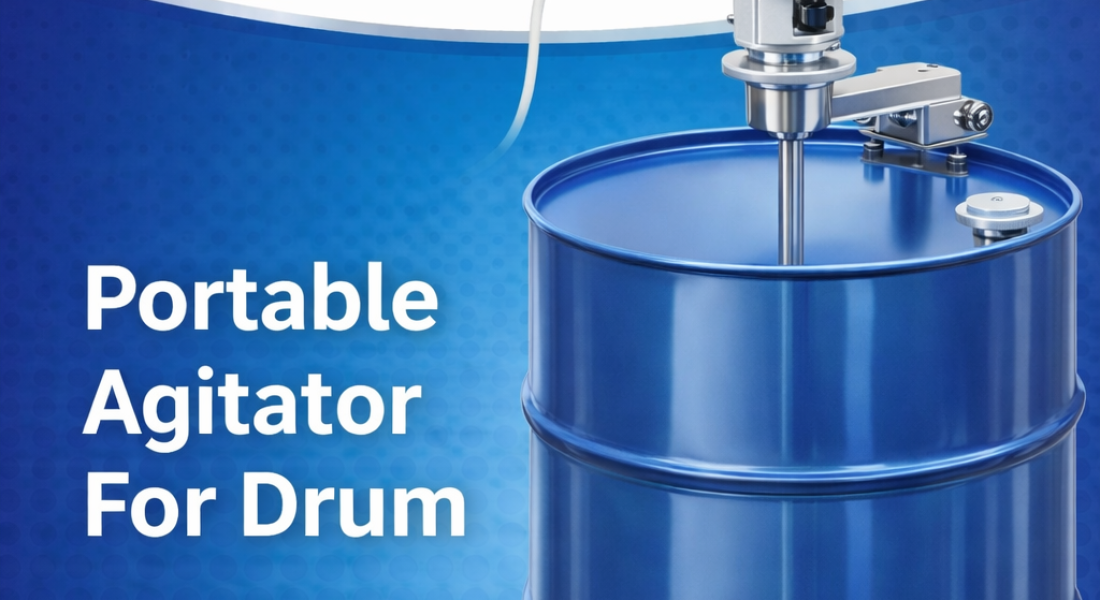
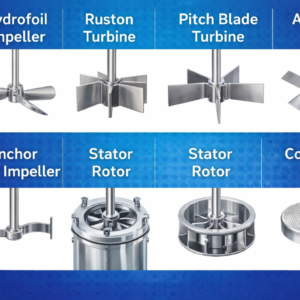
8. What types of agitators are used in these reactors?
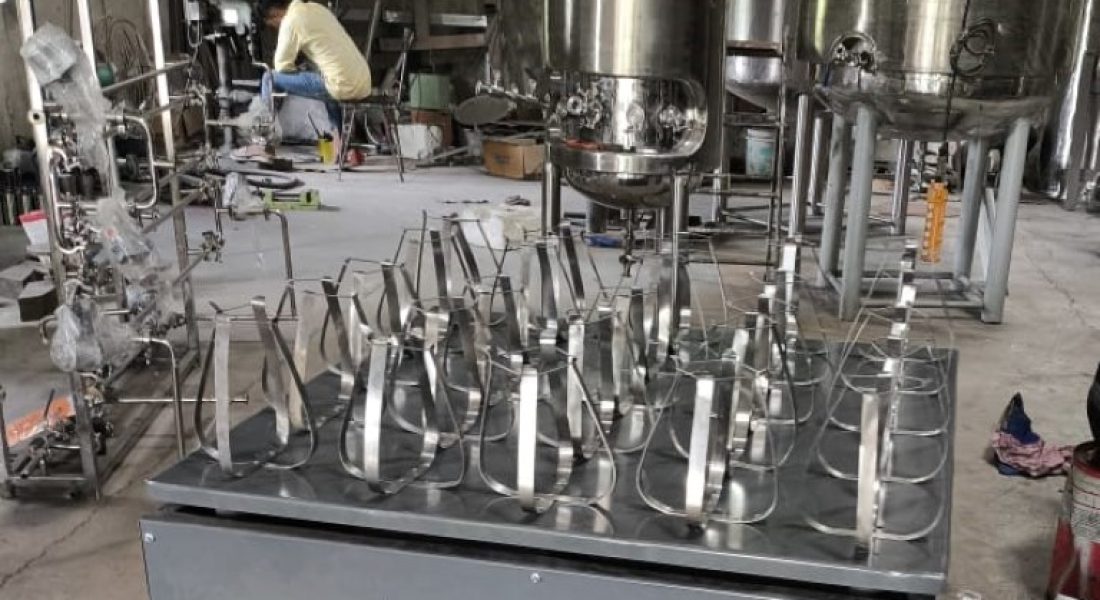
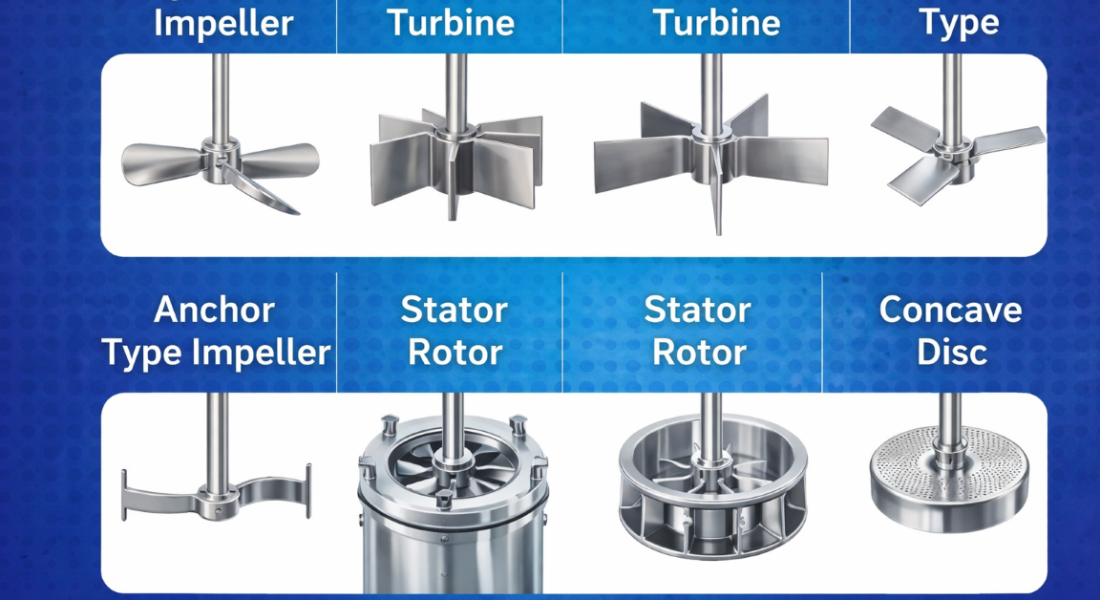
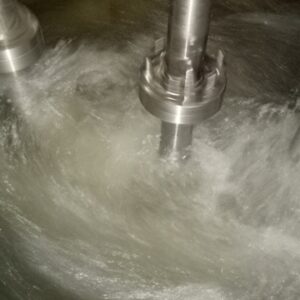
Depending on the viscosity of the fluid, manufacturers provide Anchor, Turbine, Paddle, or High-Shear agitators to ensure uniform mixing and heat distribution.
9. Are these reactors suitable for vacuum processes?
Yes, SS Limpet Coil Reactors can be designed to operate under full vacuum conditions, which is common in distillation or solvent recovery processes.
10. What maintenance is required for a limpet coil?
Regular inspections for scaling inside the coil and checking the integrity of the weld joints are recommended to ensure long-term performance and safety.
|


































Reviews
There are no reviews yet.