1. Why is Stainless Steel the preferred material for industrial reactors?
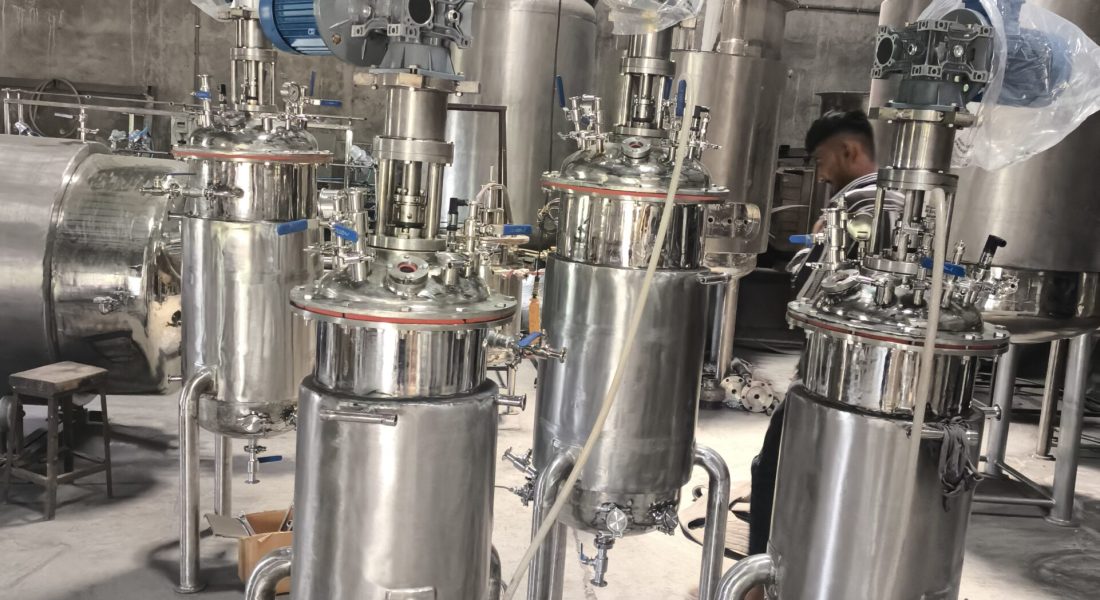
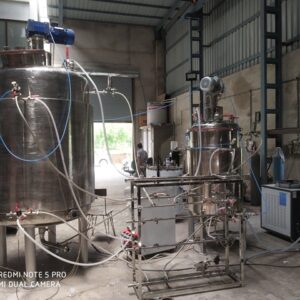
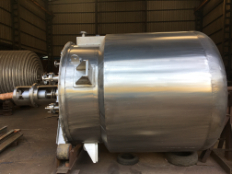
Stainless steel offers exceptional corrosion resistance, high-temperature stability, and a non-reactive surface, making it ideal for maintaining the purity of chemicals and pharmaceuticals.
2. What is the difference between SS 304 and SS 316 reactors?
SS 304 is suitable for general-purpose use, while SS 316 contains molybdenum, which provides superior resistance to chlorides and acids, making it better for harsh chemical environments.
3. Can these reactors handle high-pressure reactions?
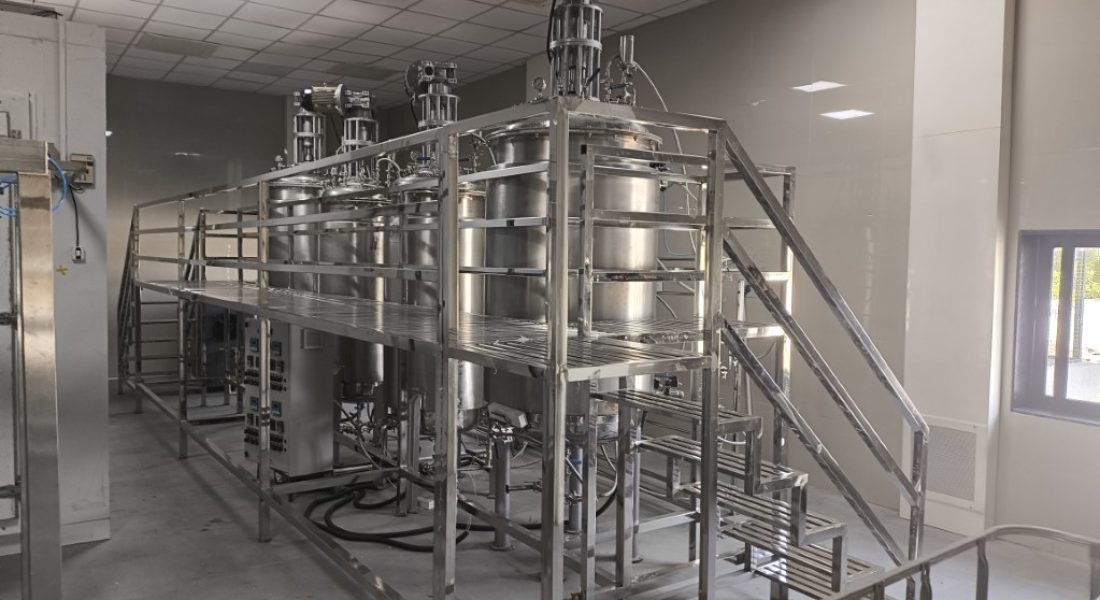
Yes, stainless steel reactors are designed as pressure vessels. Depending on the wall thickness and design, they can handle significant internal pressures and are tested accordingly.
4. What types of heating systems can be integrated?
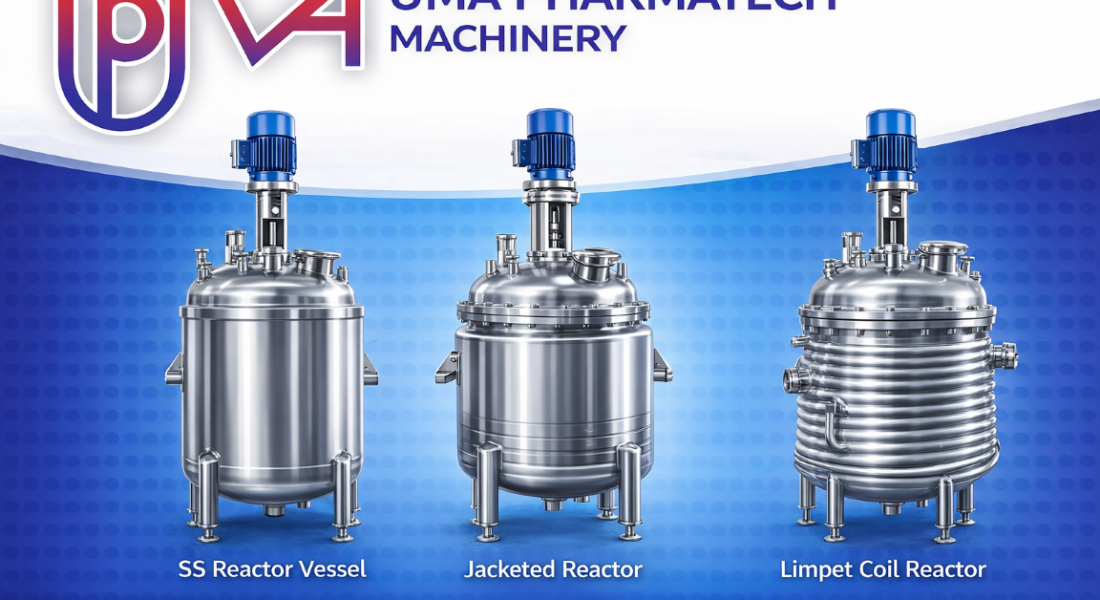
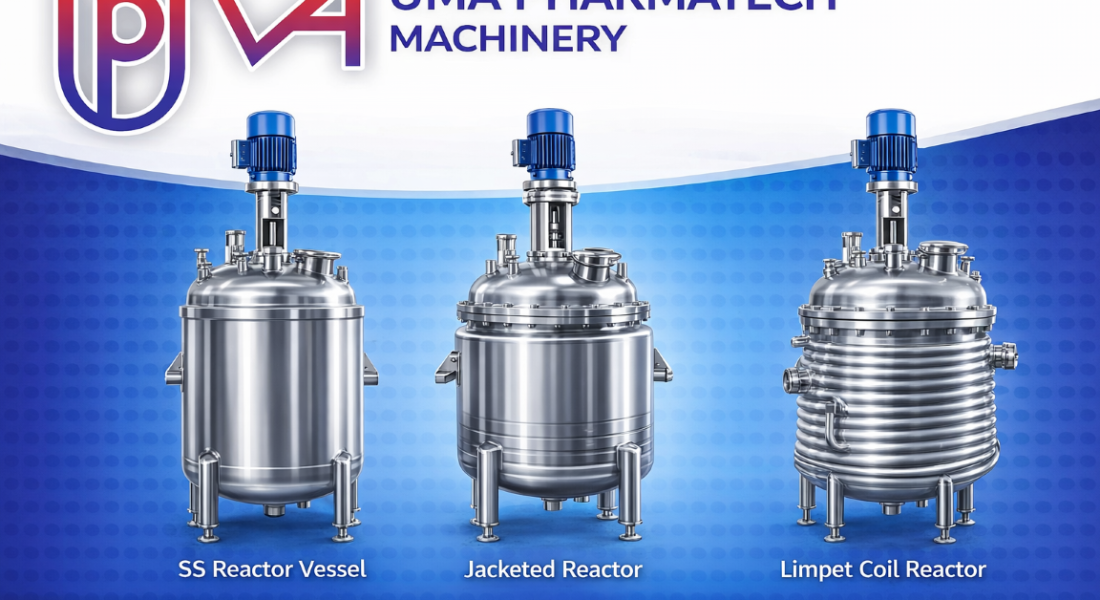
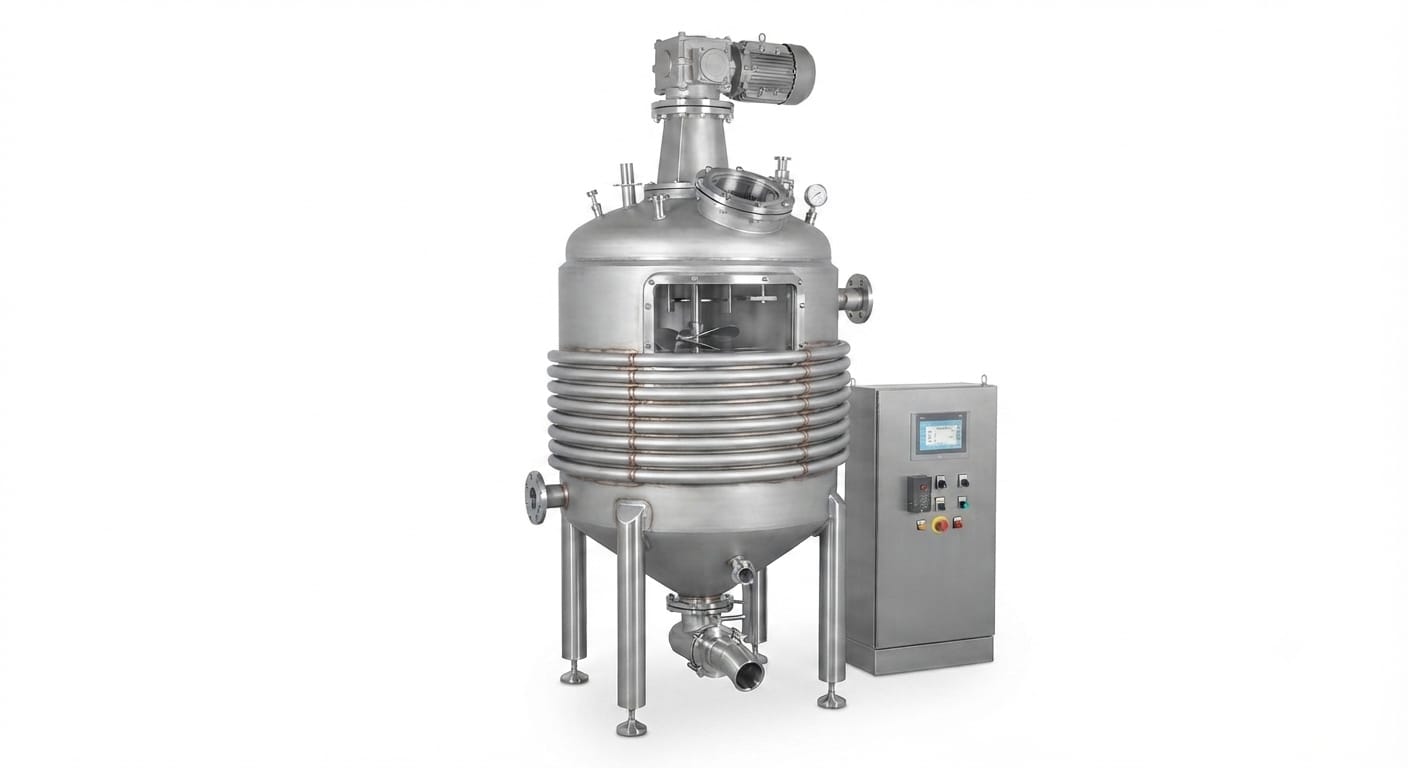
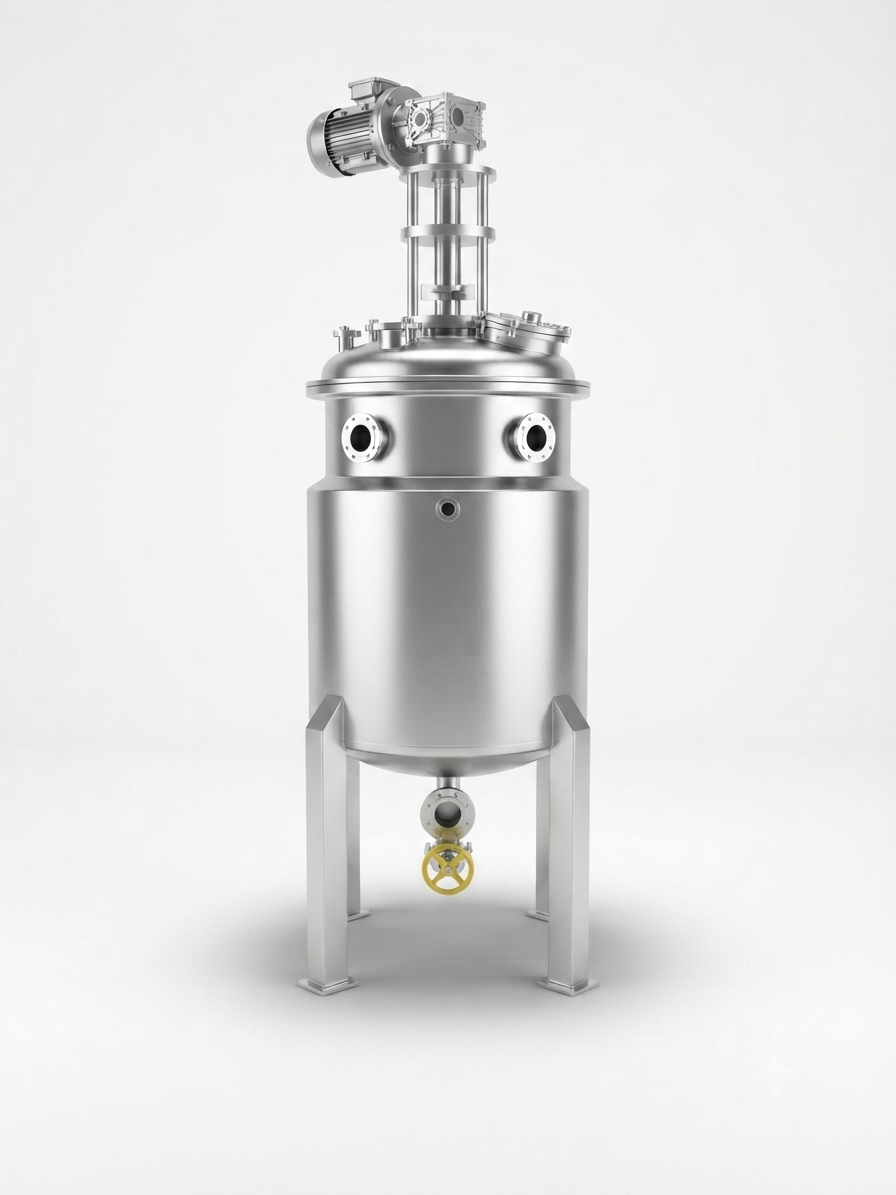
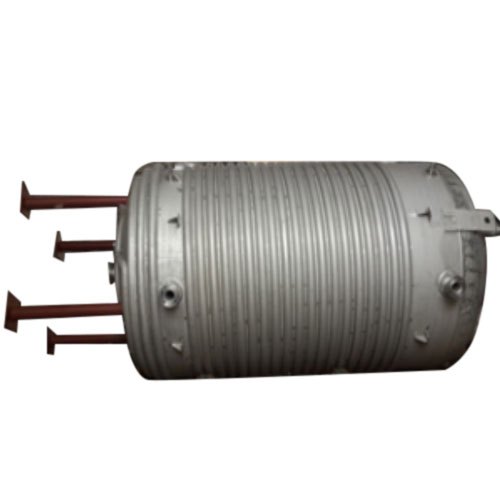
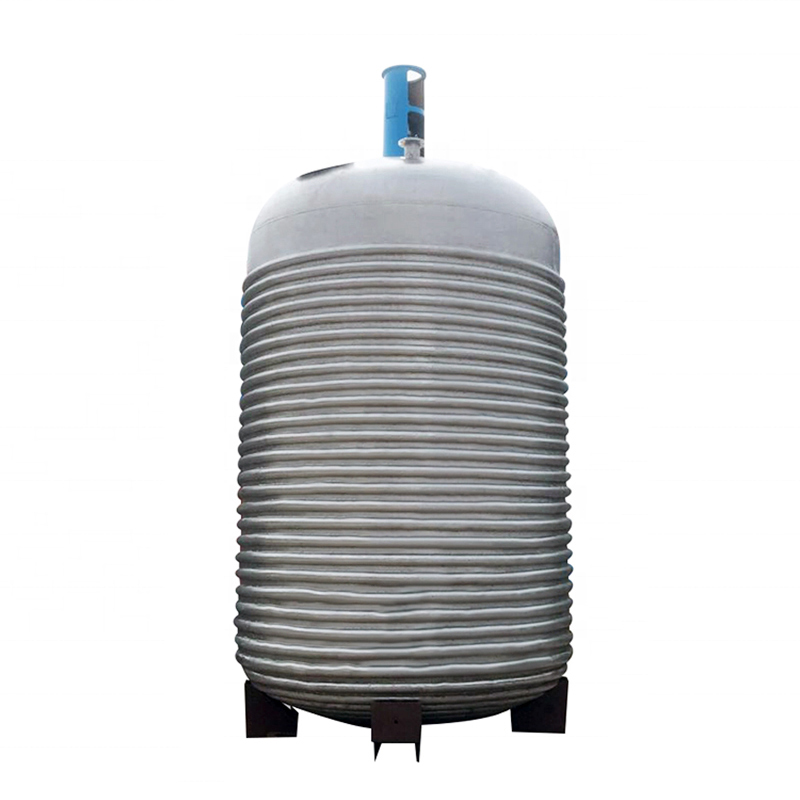
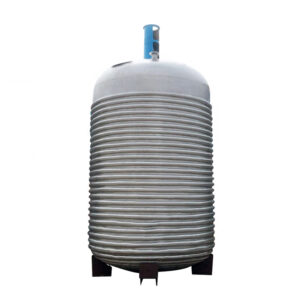
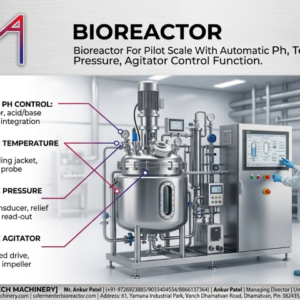
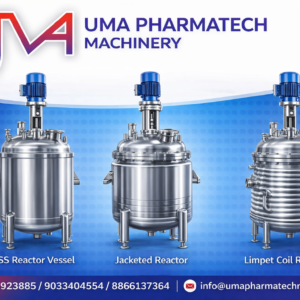
Reactors can be equipped with steam jackets, hot oil circulation systems, or internal electric heaters, depending on the required temperature and process efficiency.
5. How do I determine the right size for my reactor?
The size depends on your batch volume, the residence time of the reaction, and the headspace required for gas evolution or foaming during the process.
6. Are these reactors easy to clean?
Yes, they are designed with "Clean-in-Place" (CIP) features, including spray balls and polished internal surfaces, to ensure quick and thorough cleaning between batches.
7. What kind of maintenance is required?
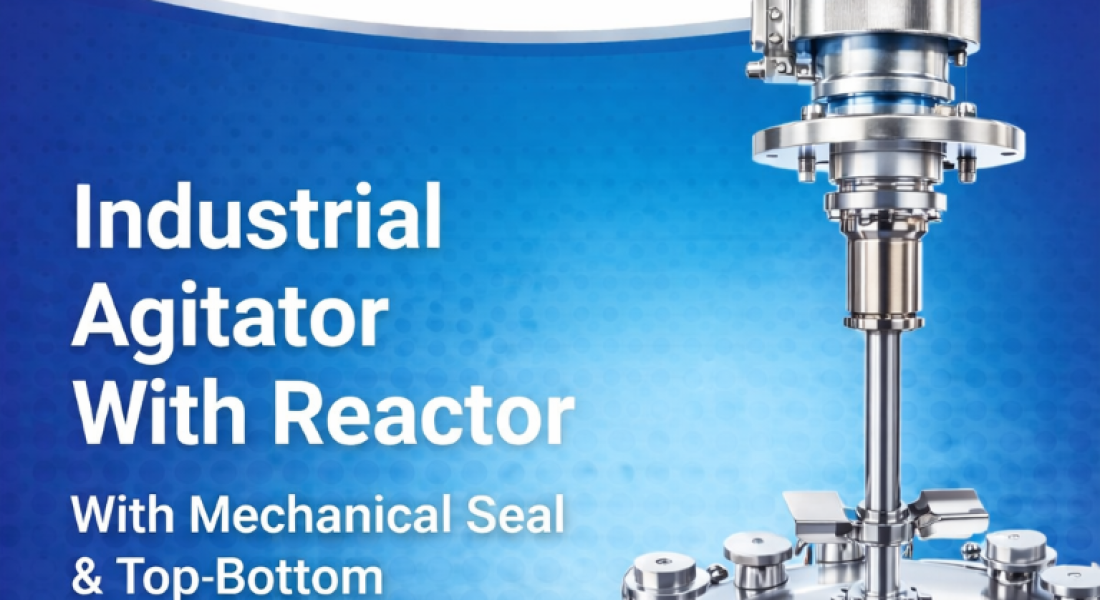
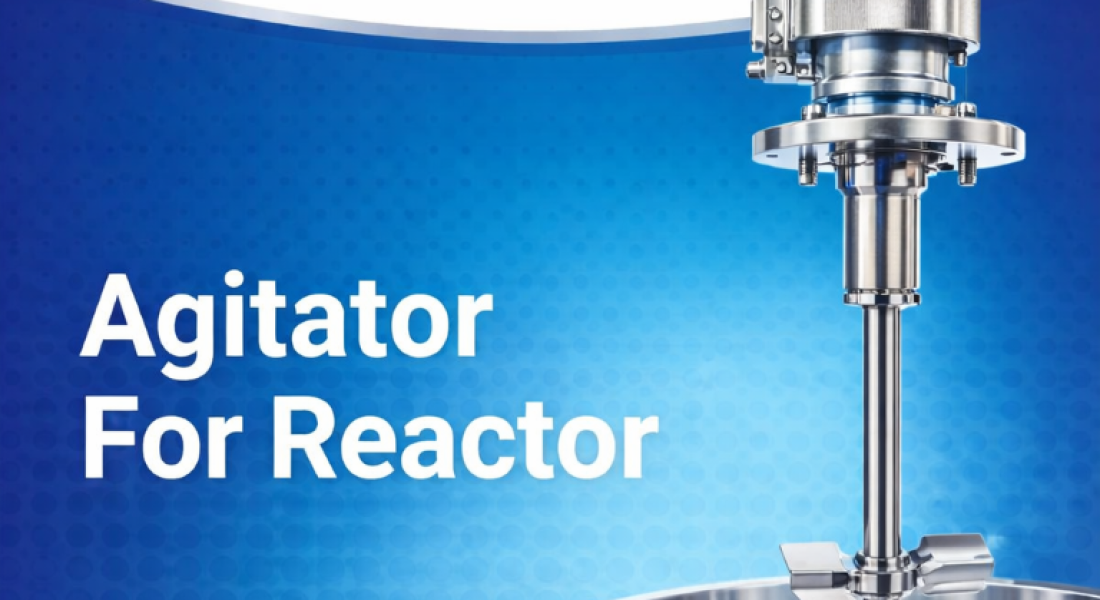
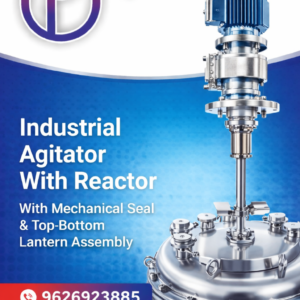
Regular maintenance involves inspecting the mechanical seals, checking the agitator alignment, and ensuring the pressure relief valves are calibrated and clear.
8. Can the agitation speed be controlled?
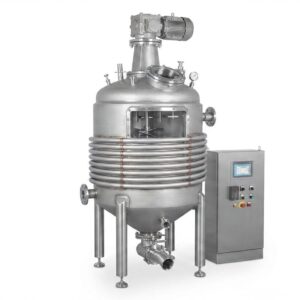
Most modern reactors are equipped with Variable Frequency Drives (VFDs) that allow operators to precisely control the RPM of the agitator based on the fluid viscosity.
9. Do you provide customization for specific chemical processes?
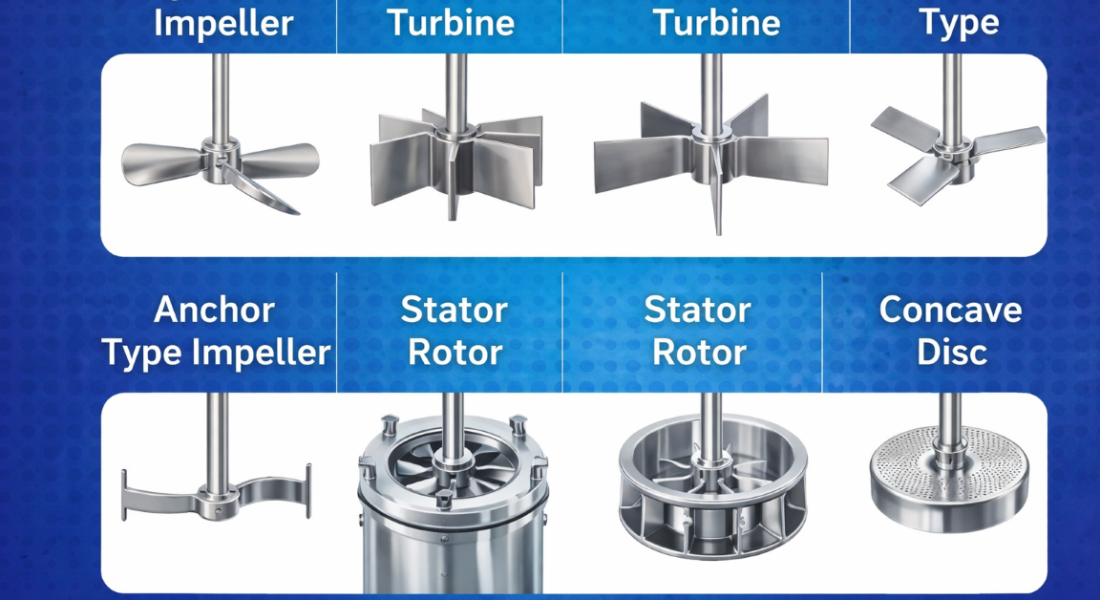
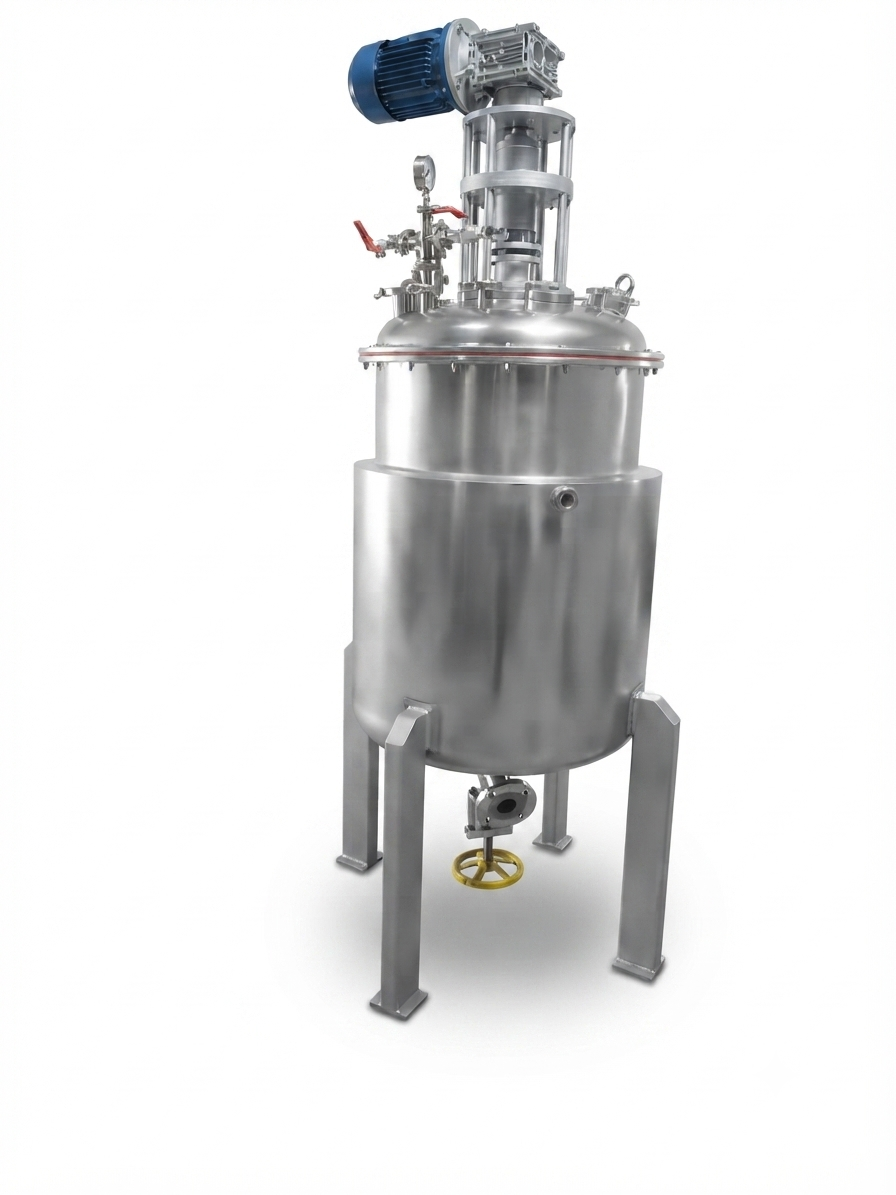
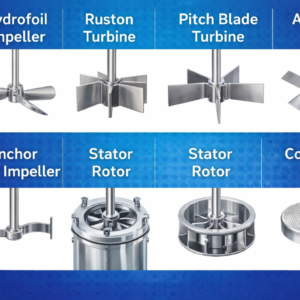
Yes, manufacturers can customize the number of inlets/outlets, the type of agitator, the jacket design, and the grade of stainless steel to match specific process requirements.
10. What certifications should I look for?
Ensure the reactor is manufactured according to ASME Section VIII Division 1 or equivalent local standards, and check for material test certificates (MTC) for all steel used.
|











Reviews
There are no reviews yet.