
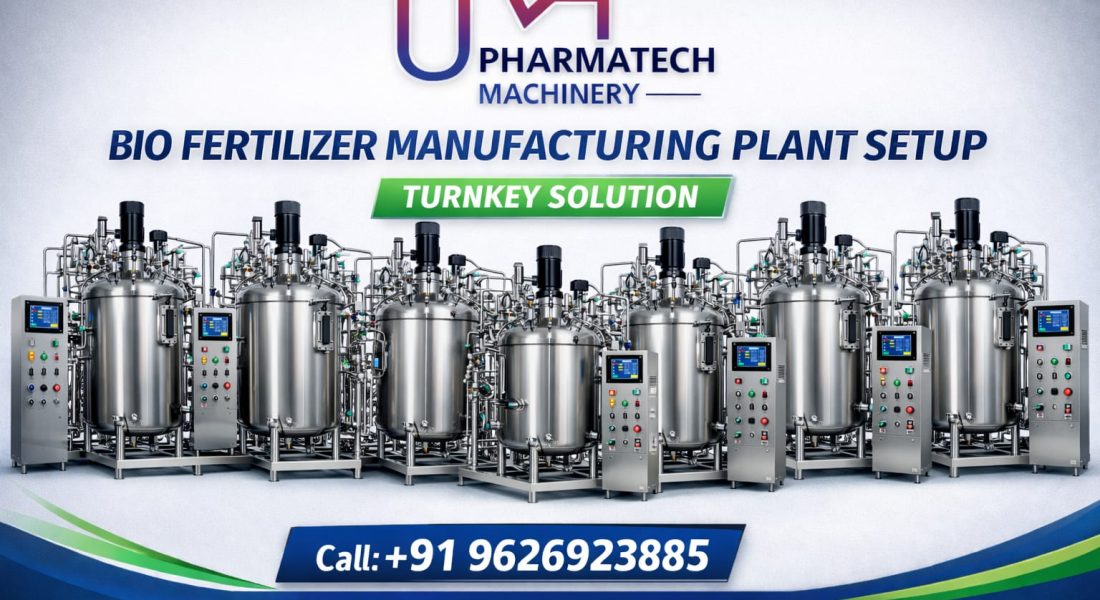
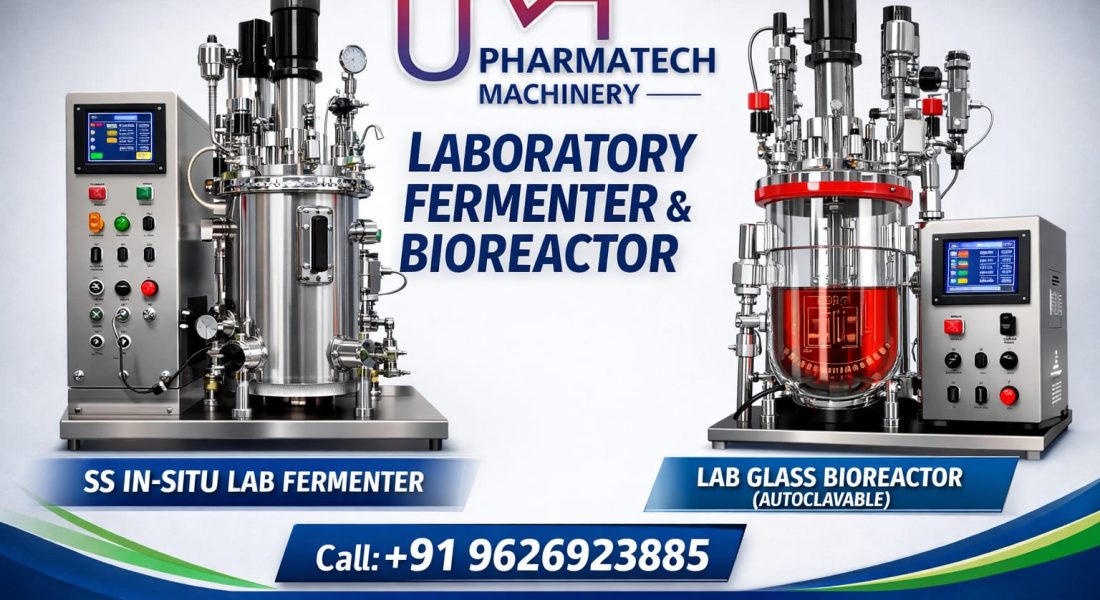
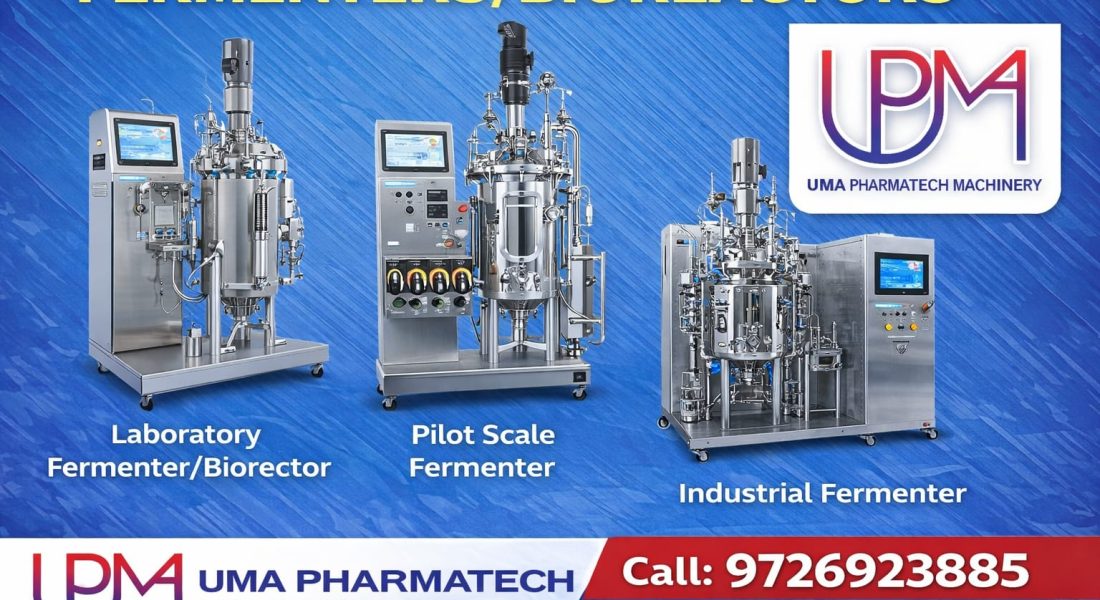
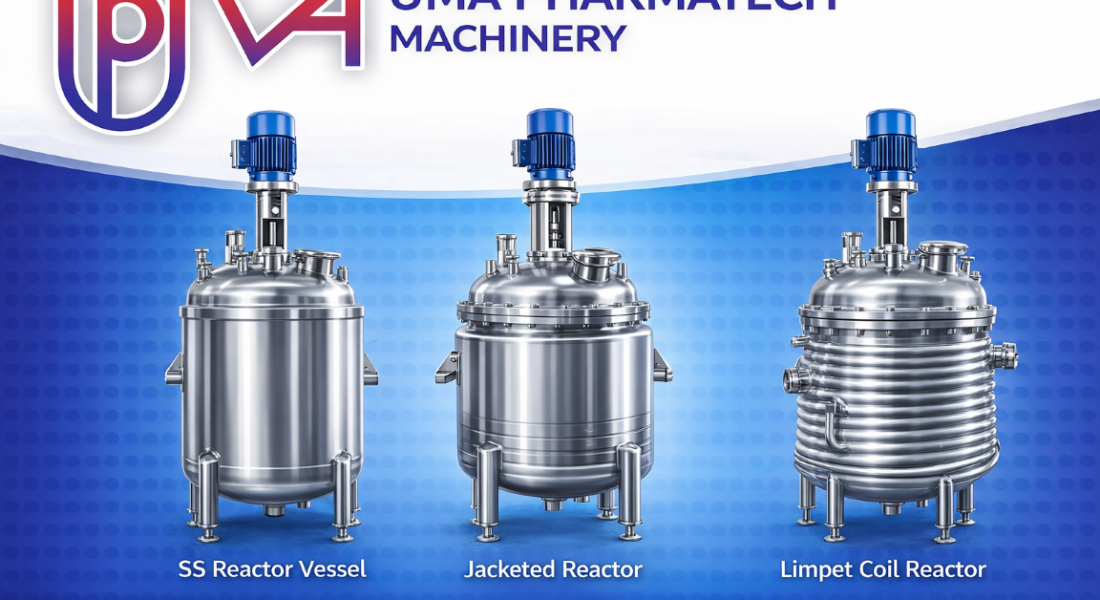
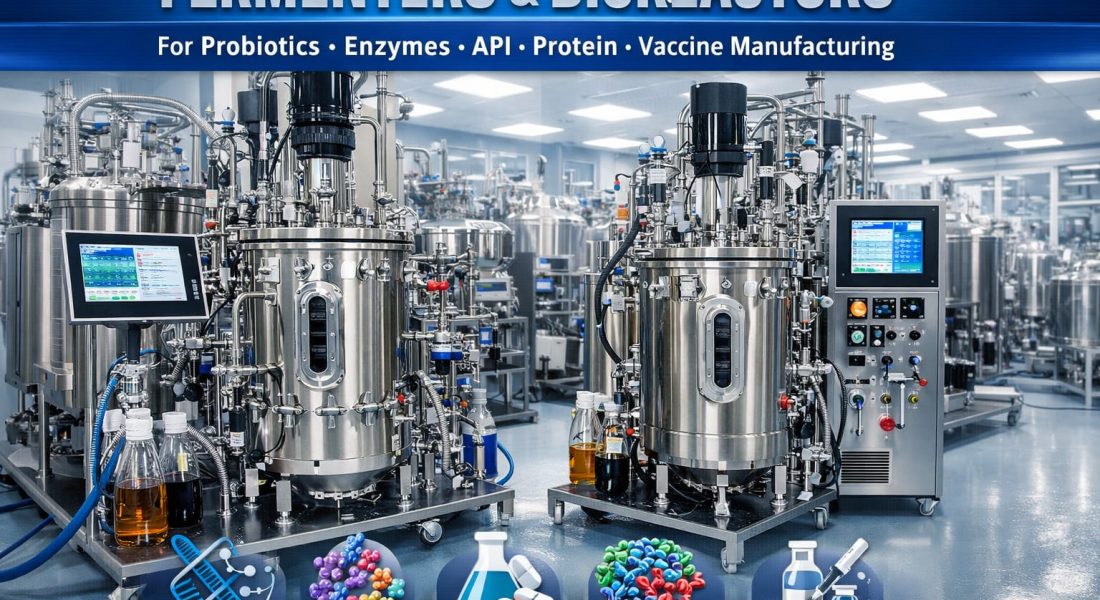
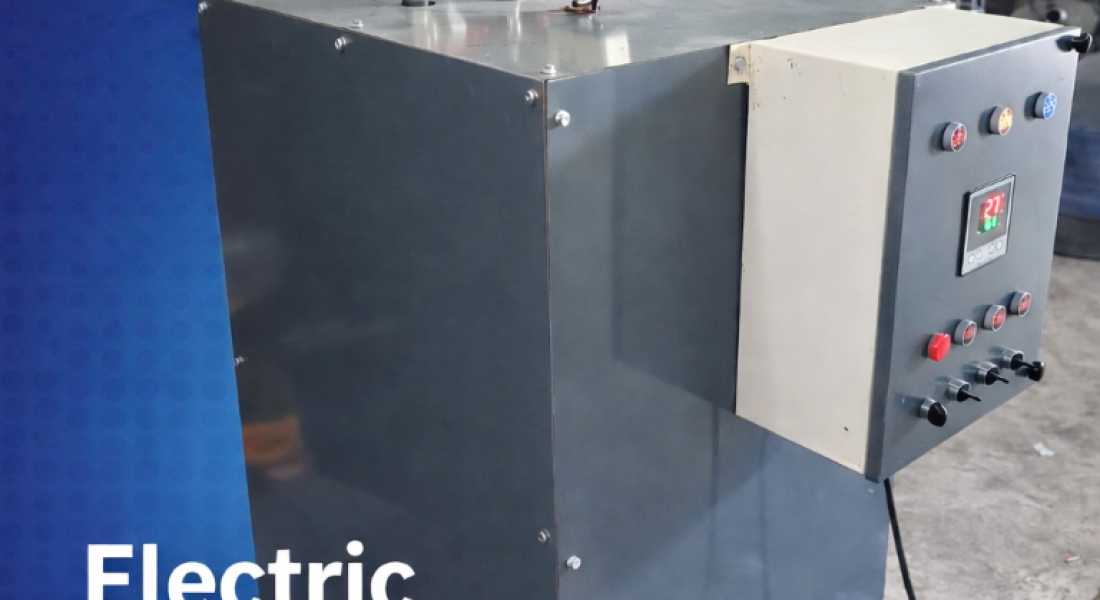
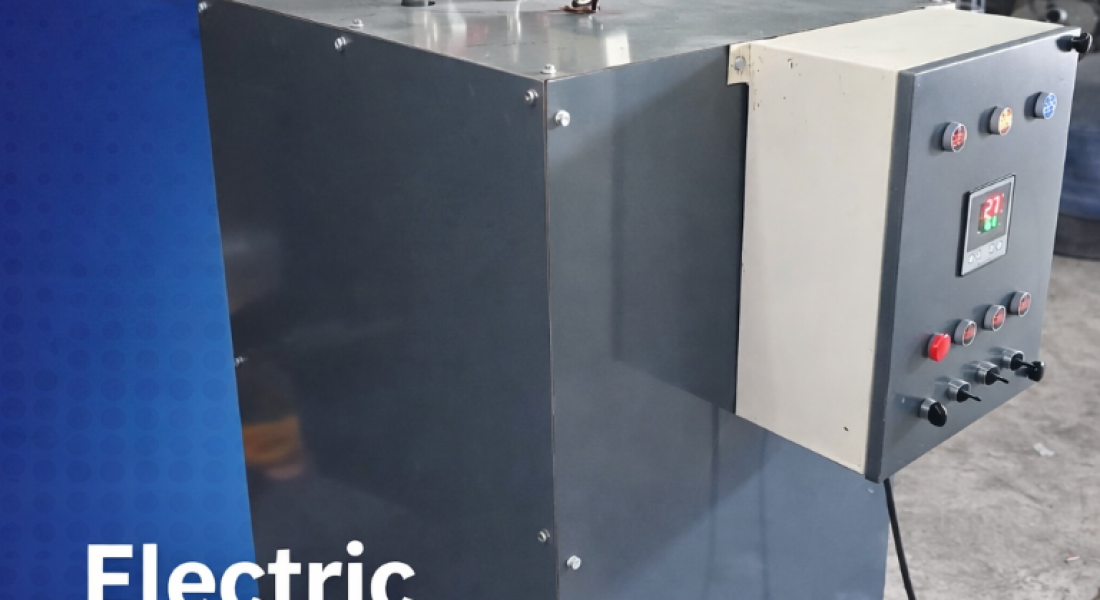
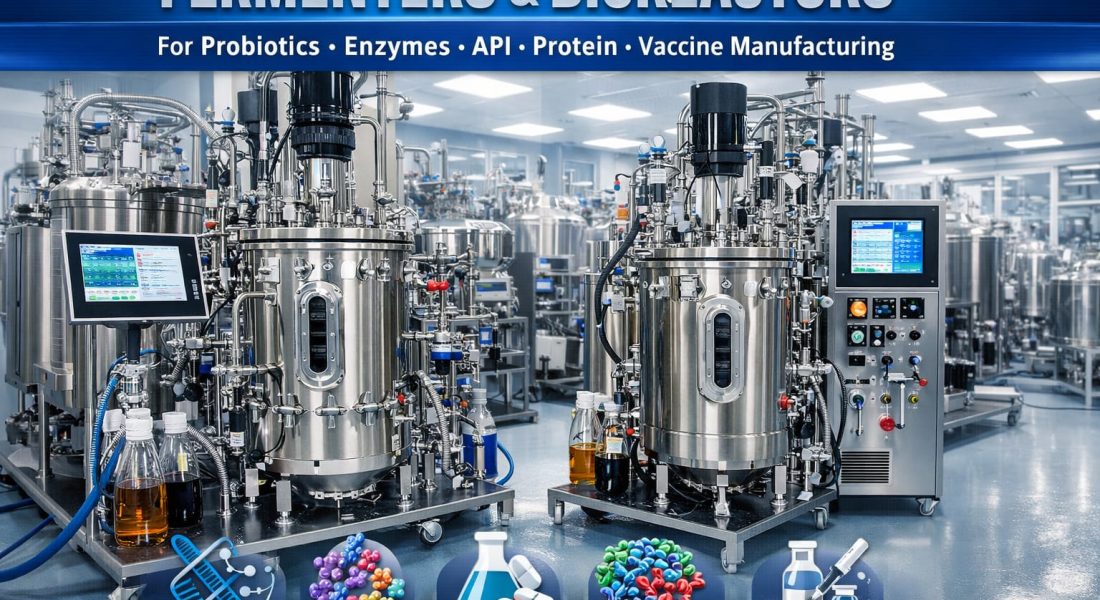
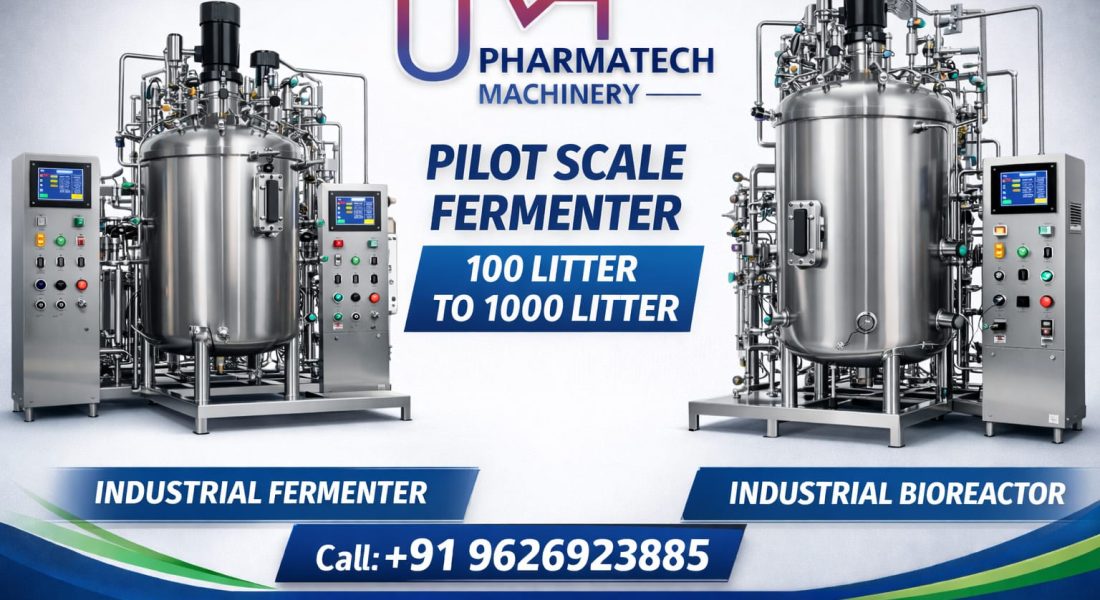
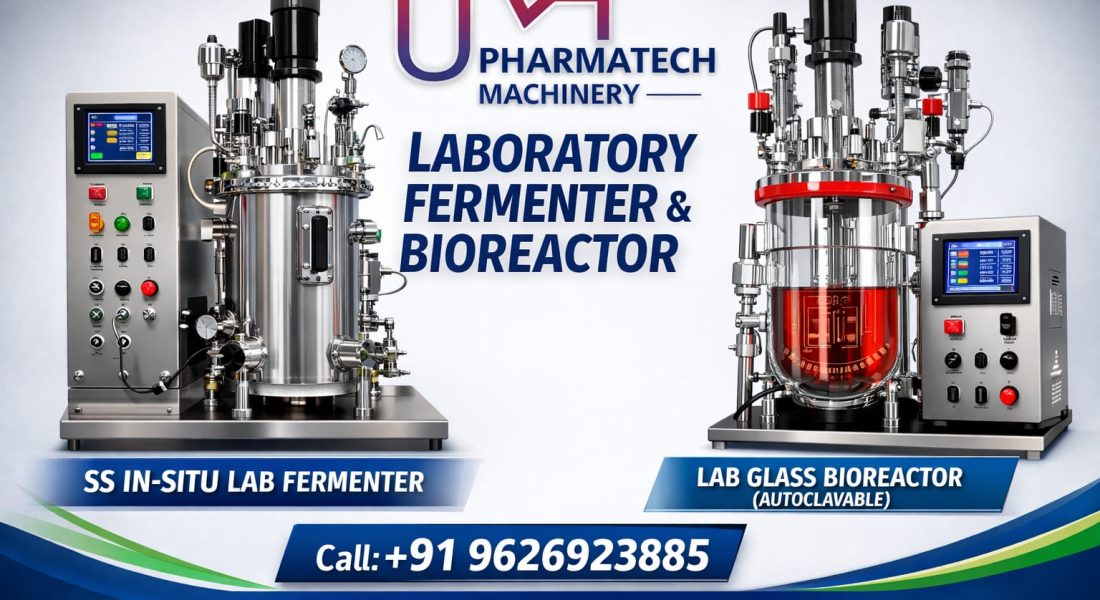
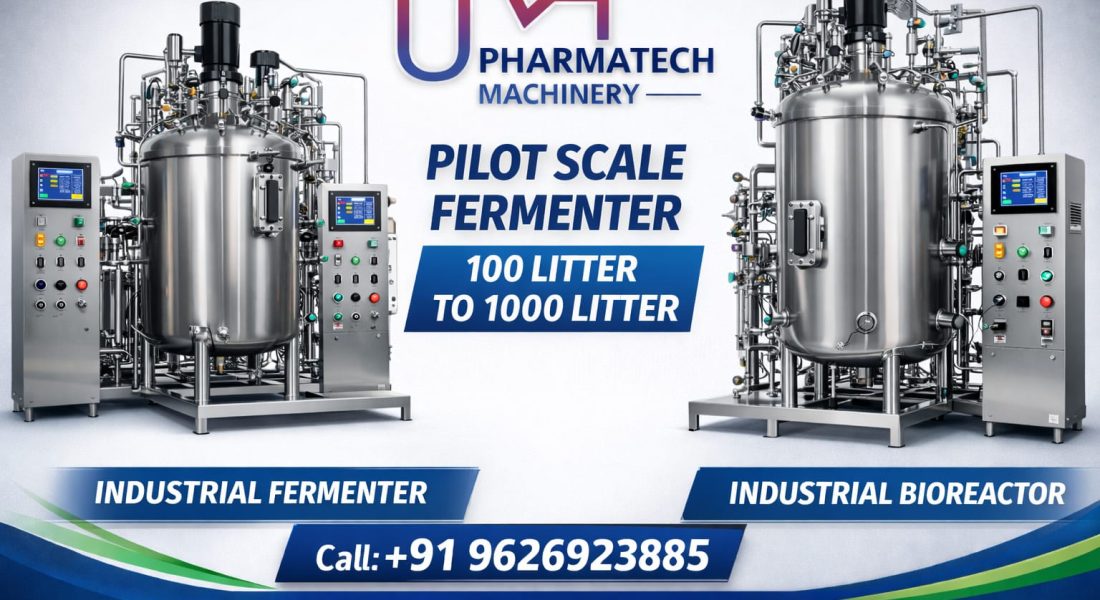
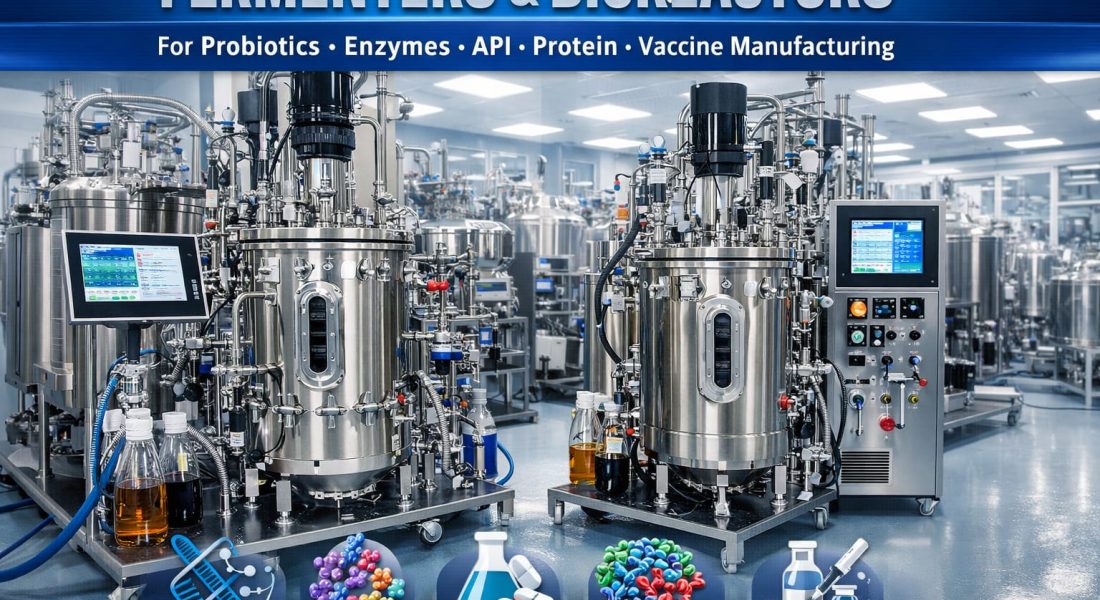

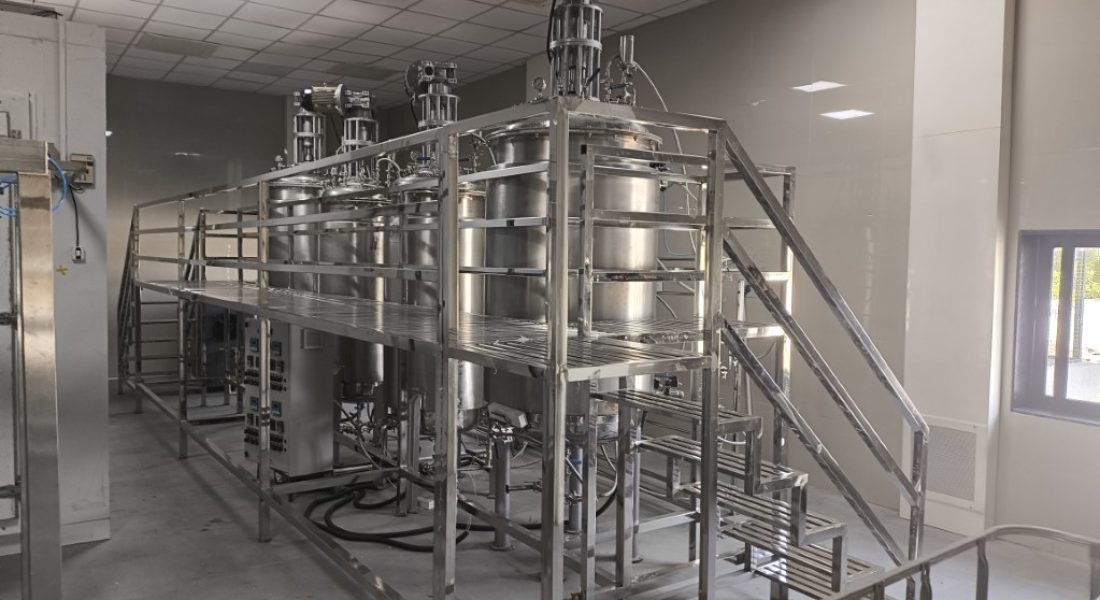
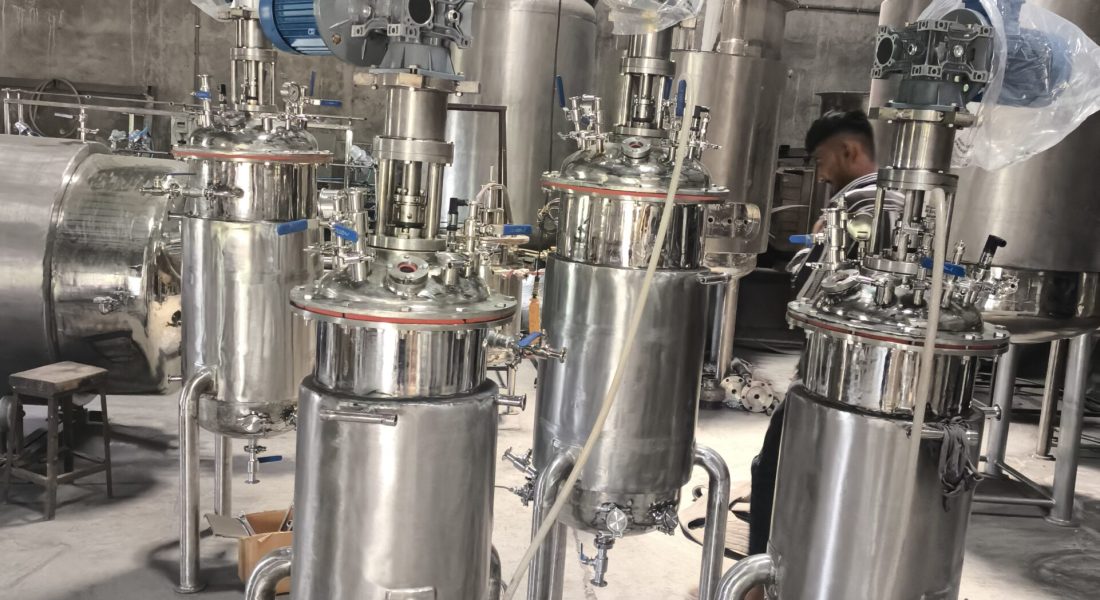
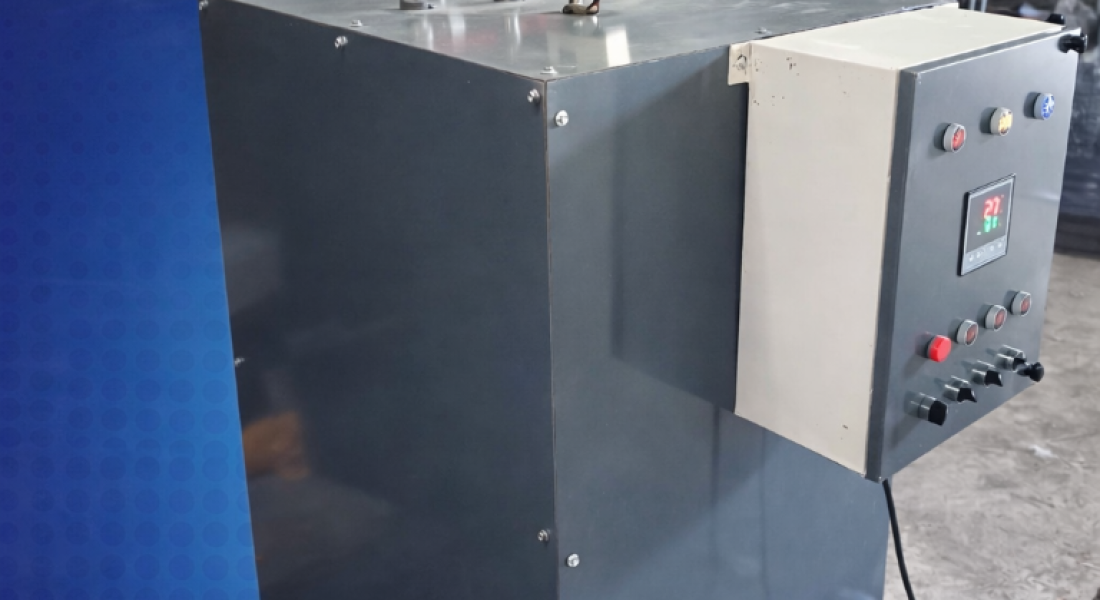
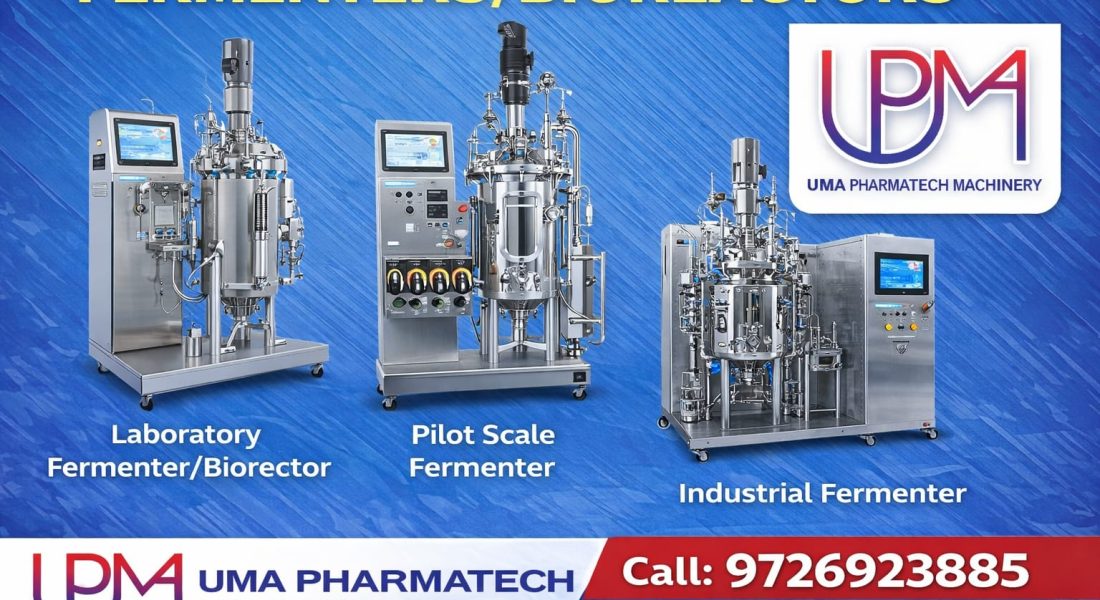

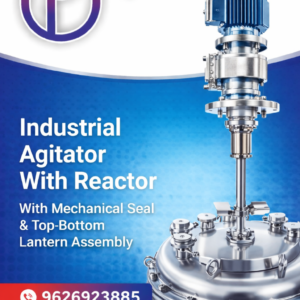
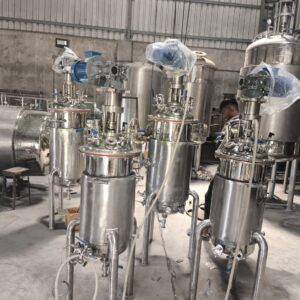
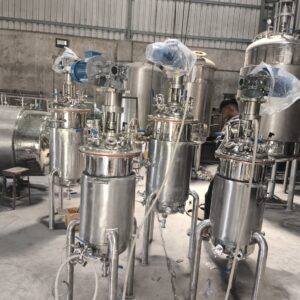
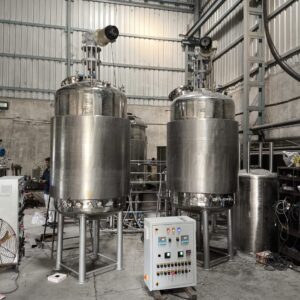
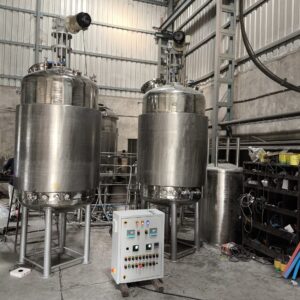
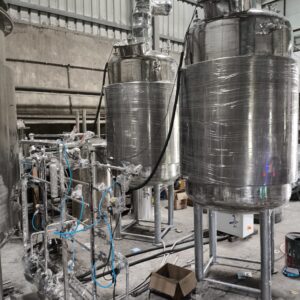
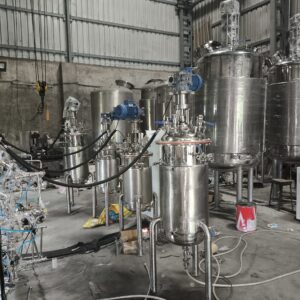
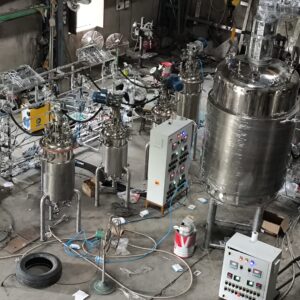
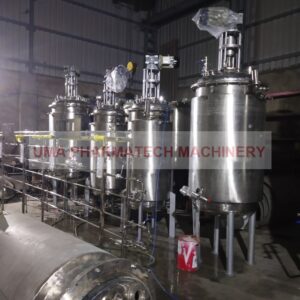
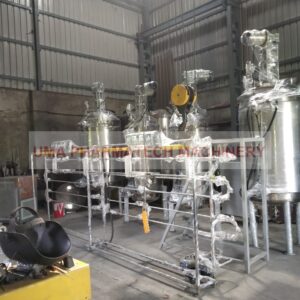
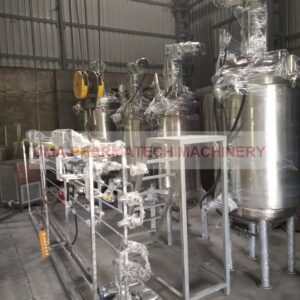
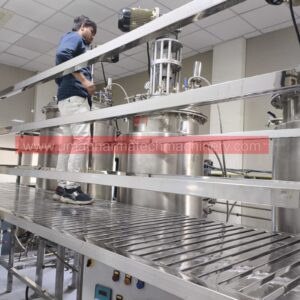
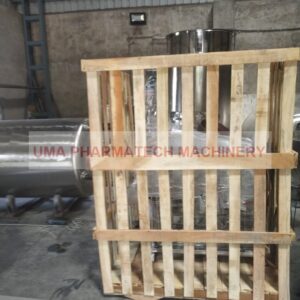
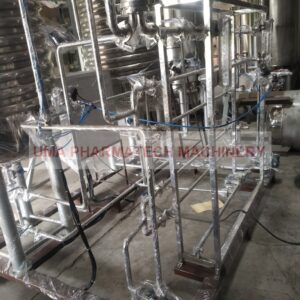
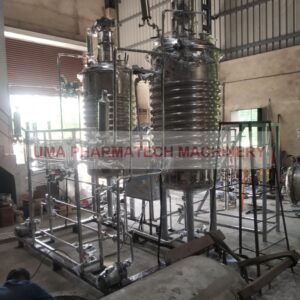
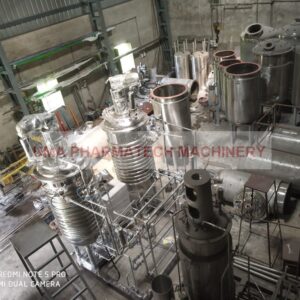
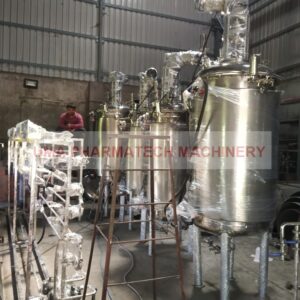
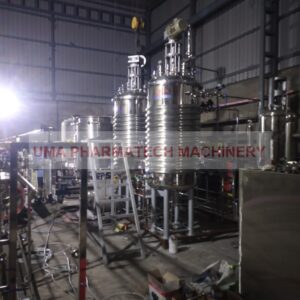
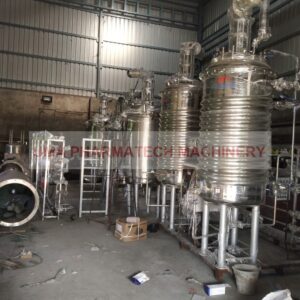
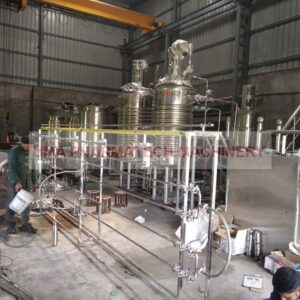
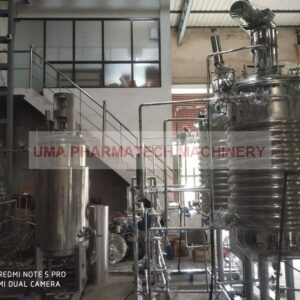
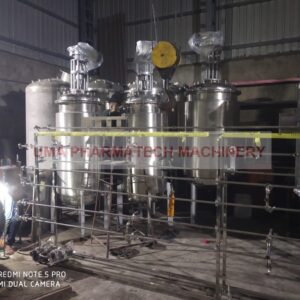
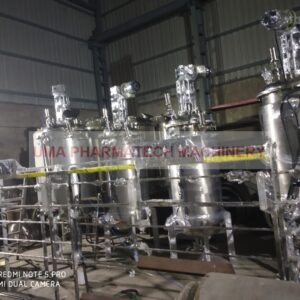
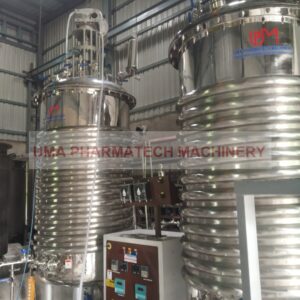
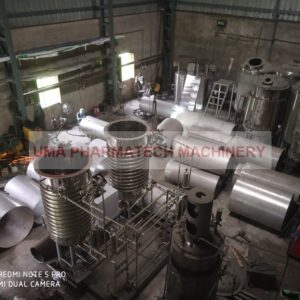
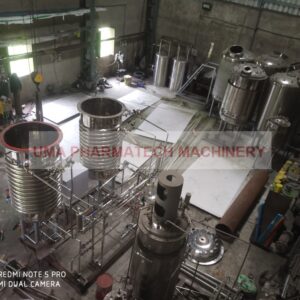
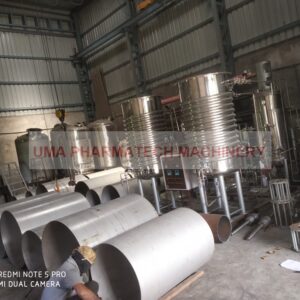
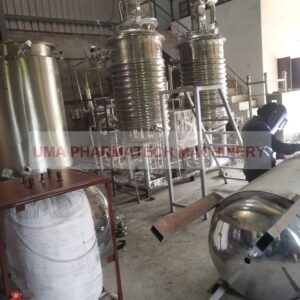
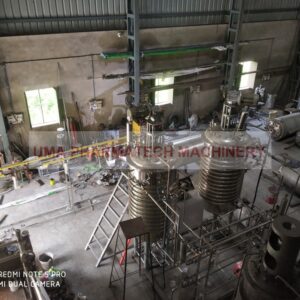
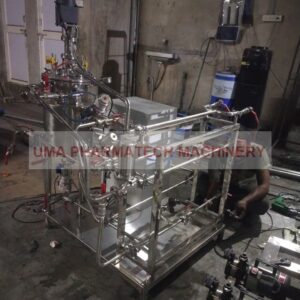
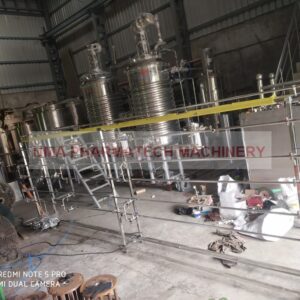
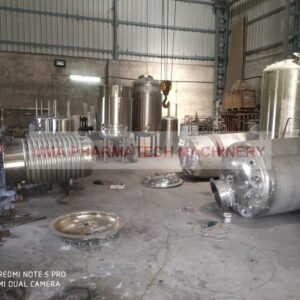
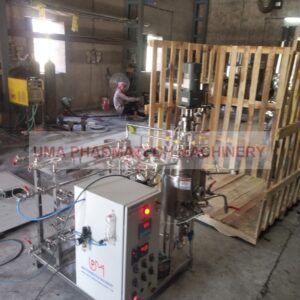
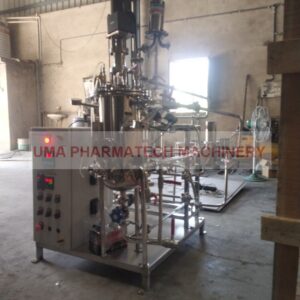
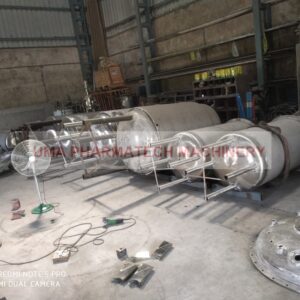
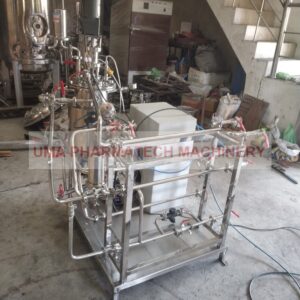
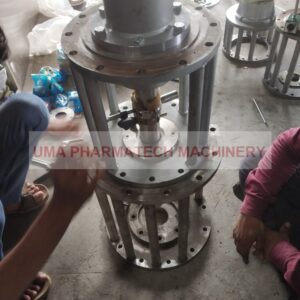
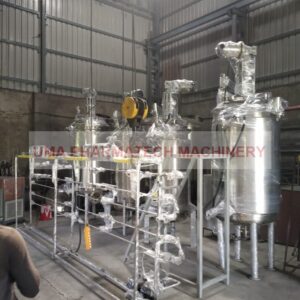
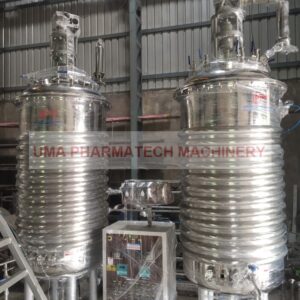
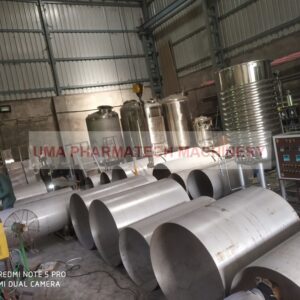
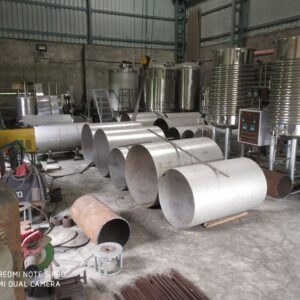
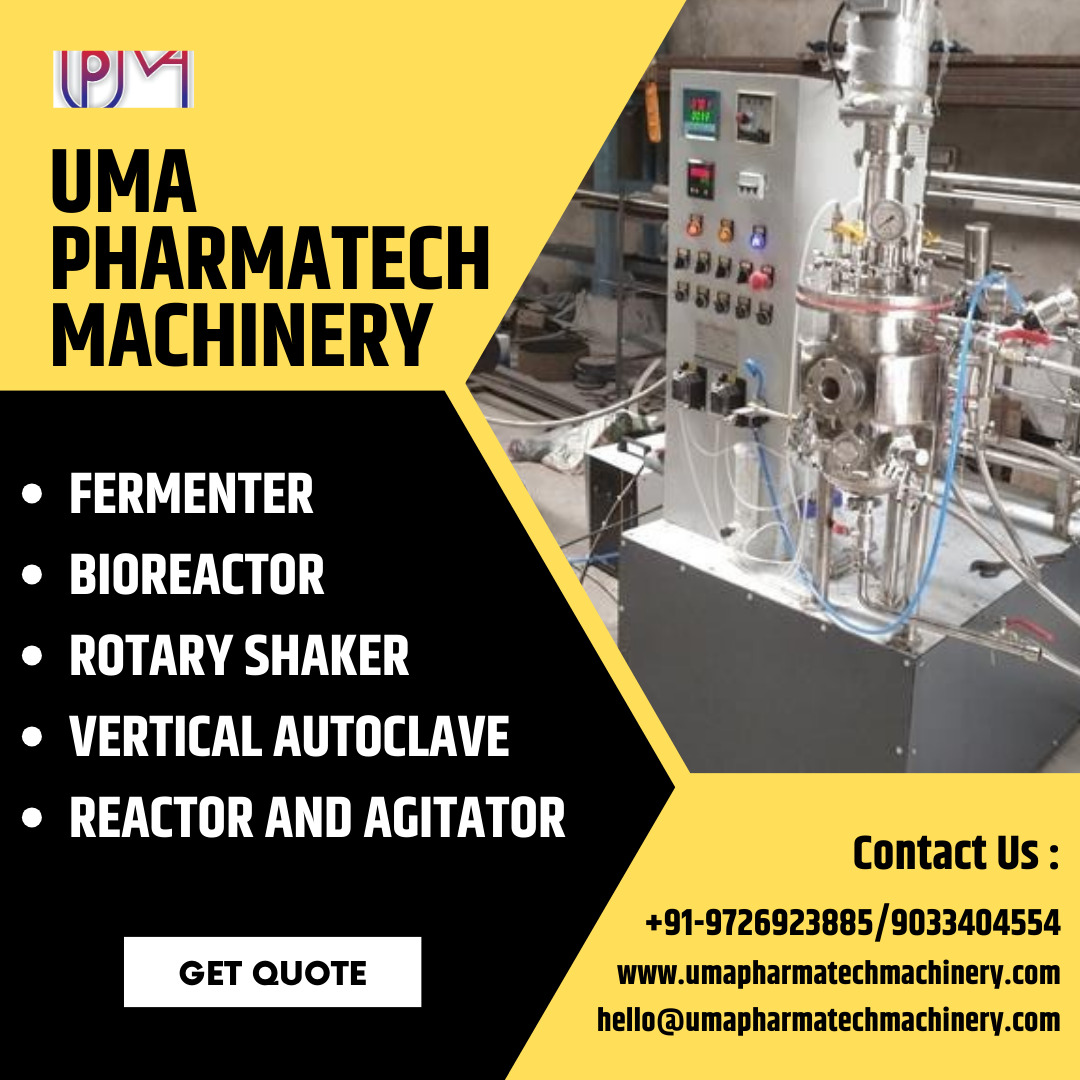
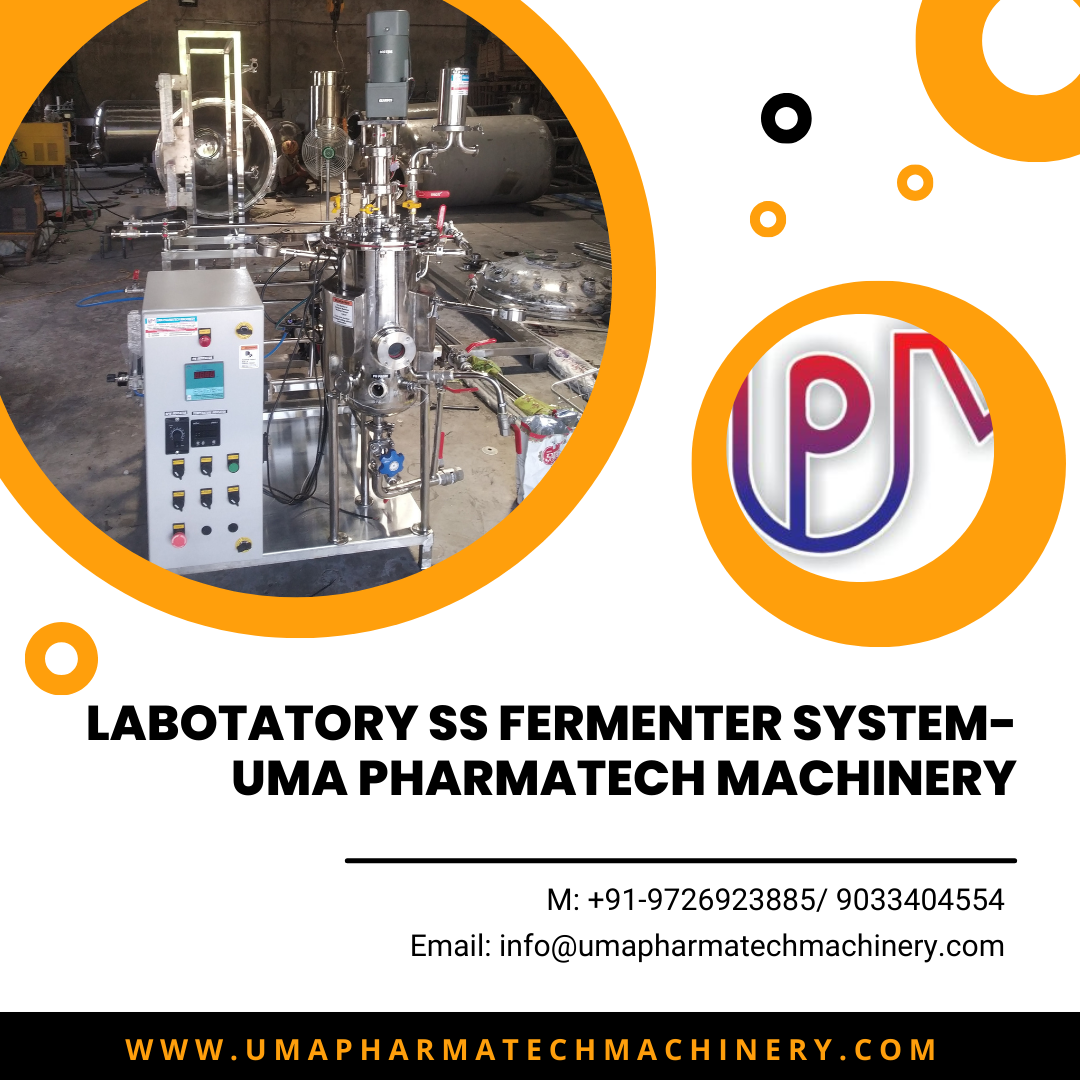
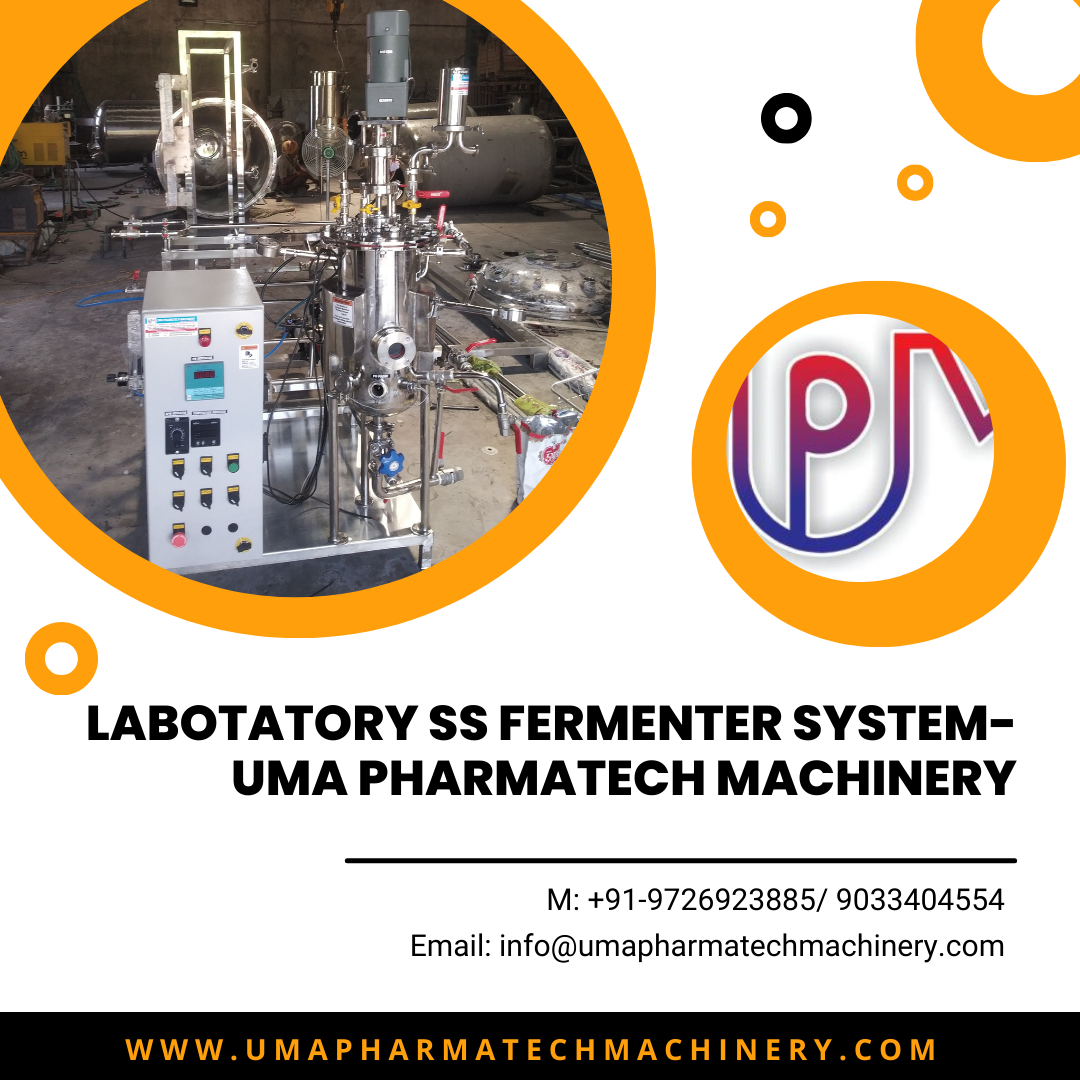
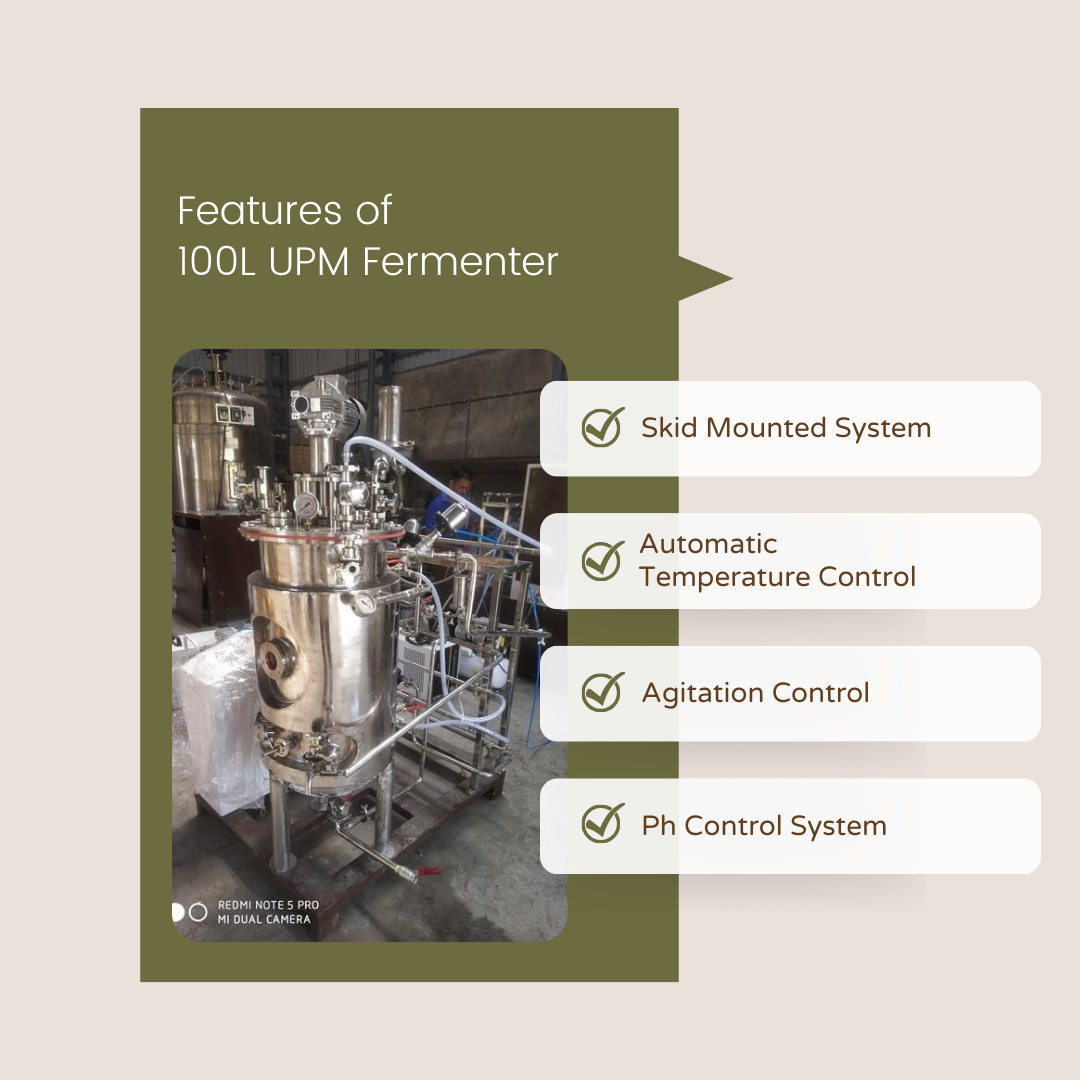
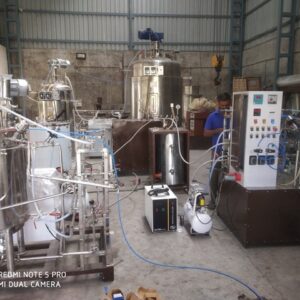
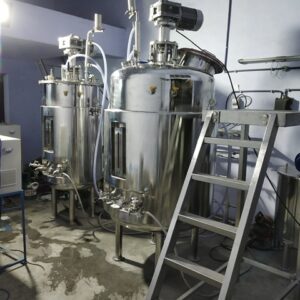
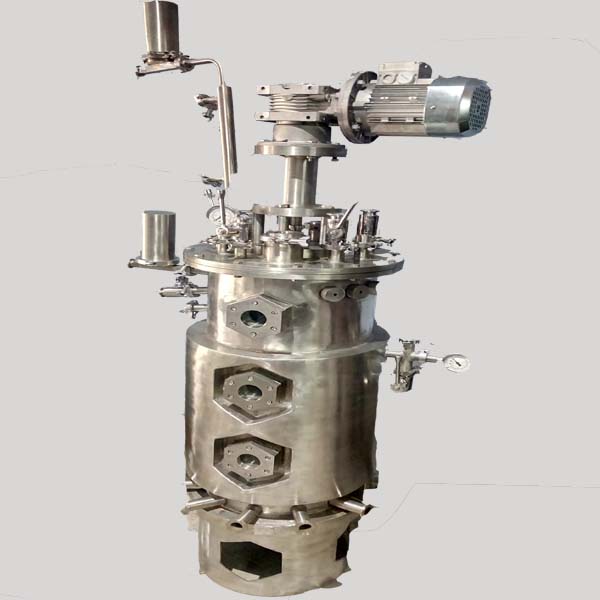
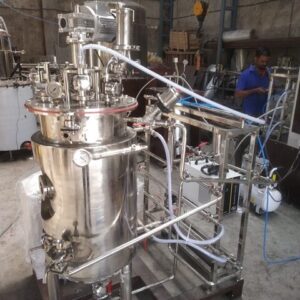
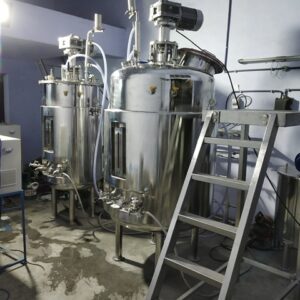
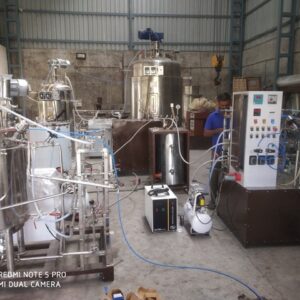
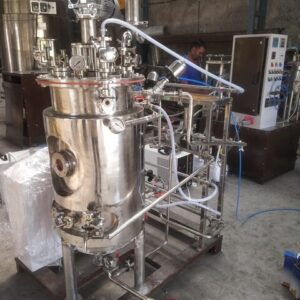
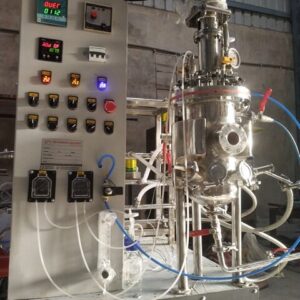
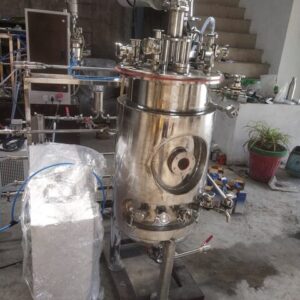
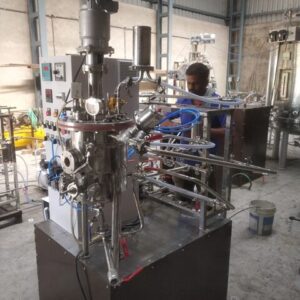
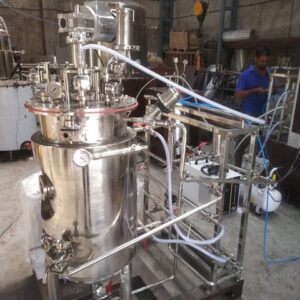
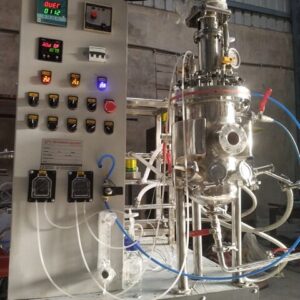
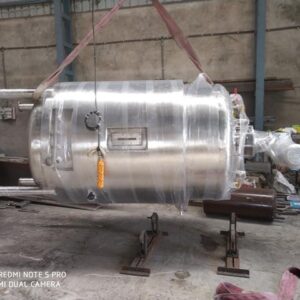
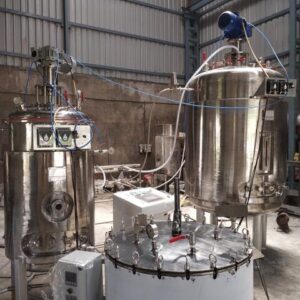
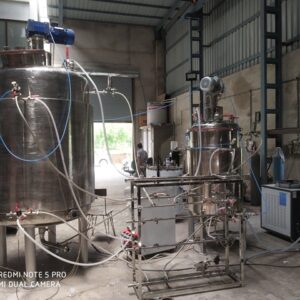
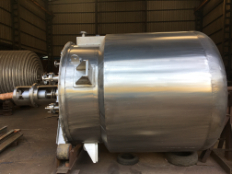
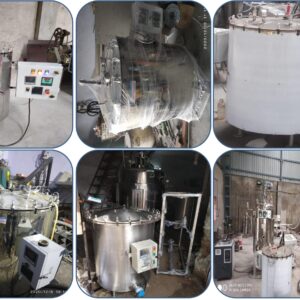
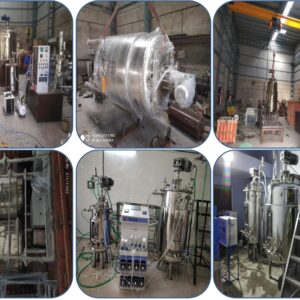
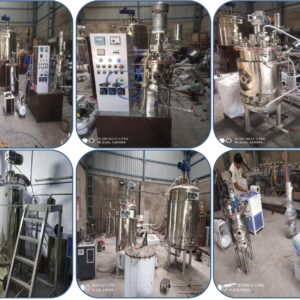
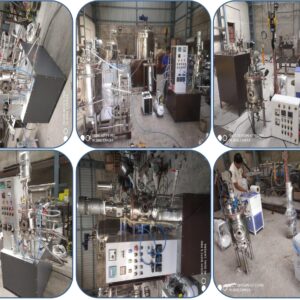
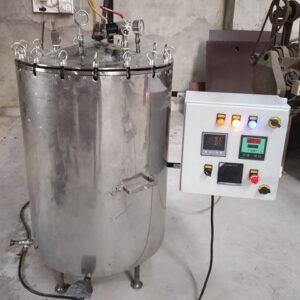
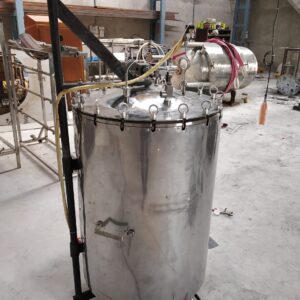
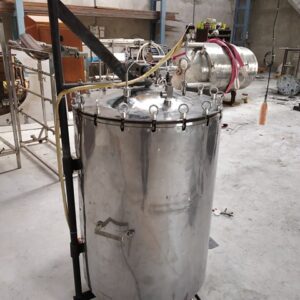
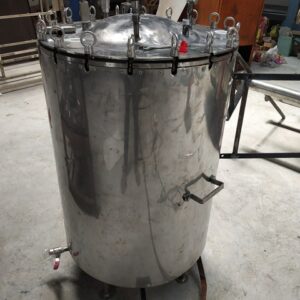
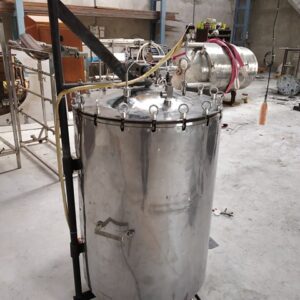
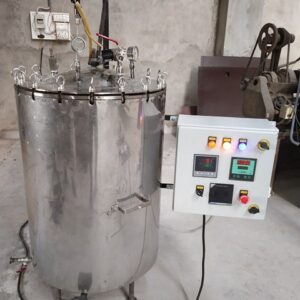
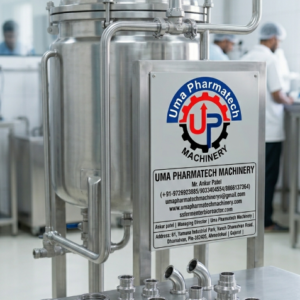
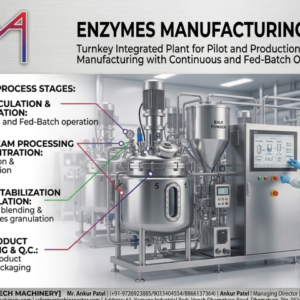
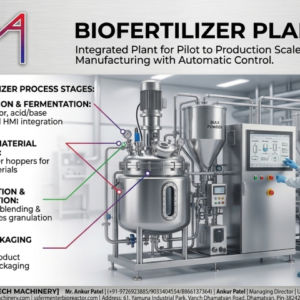
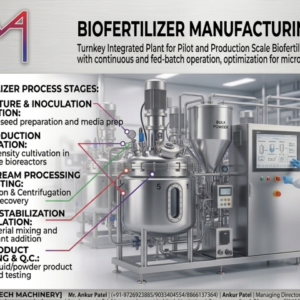
Stainless steel bioreactor
Technical Specifications
Industrial-grade bioreactors are built to meet cGMP (current Good Manufacturing Practice) standards.
| Feature | Standard Specification |
| Material | SS 316L (Internal), SS 304 (Jacket/Cladding) |
| Surface Finish | Internal Ra < 0.4 µm (Electropolished) |
| Sterilization | SIP (Sterilization-In-Place) using steam |
| Pressure Rating | Typically 3.0 bar to 4.0 bar |
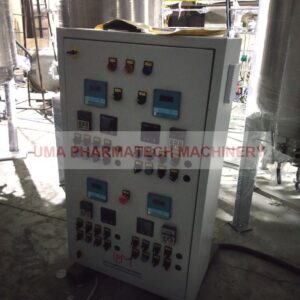
| Automation | PLC or SCADA-based control systems |
Advantages of Stainless Steel Systems
While single-use plastic bioreactors are growing in popularity for small-scale labs, stainless steel remains the gold standard for large-scale production for several reasons:
-
Durability: Capable of lasting decades with proper maintenance.
-
Scalability: Systems can range from 5-liter laboratory models to 50,000-liter industrial behemoths.
-
Pressure Tolerance: Allows for high-temperature steam sterilization ($121$°C) directly within the vessel, known as Sterilization-In-Place (SIP).
-
Heat Transfer: Metal provides superior thermal conductivity compared to plastics, allowing for rapid cooling or heating.
Common Applications
-
Vaccine Production: Growing viral or bacterial cultures for immunizations.
-
Antibiotics: Large-scale fermentation of fungi or bacteria.
-
Enzyme Manufacturing: Production of industrial enzymes for detergents or food processing.
-
Alternative Proteins: Culturing cells for lab-grown meat or precision fermentation.
Maintenance & Longevity Tips
To maximize the lifespan of the equipment, it is critical to focus on the Cleaning-In-Place (CIP) protocols. Using the correct concentration of caustic and acid washes prevents the formation of “biofilms.” Additionally, removing sensitive components like pH and DO sensors during aggressive sterilization cycles in a separate media preparation tank can significantly extend the life of these expensive probes.






























Reviews
There are no reviews yet.