

Portable Agitator
Portable Agitator
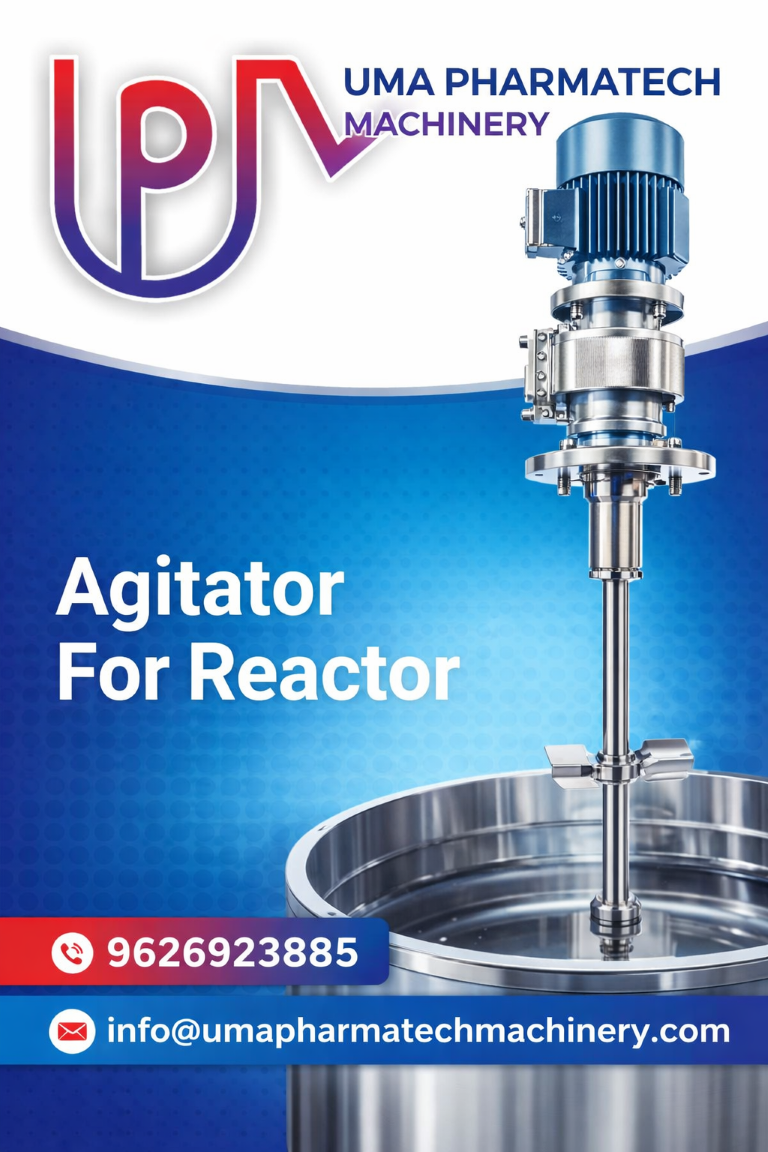
Portable Agitator Portable Agitator – Manufacturers, Suppliers, Exporter Compact & Efficient Portable Agitator for Flexible Mixing Applications Uma Pharmatech Machinery is a trusted name among Manufacturers, Suppliers, and Exporters of Portable Agitator across India. Our portable agitators are designed for flexibility, ease of operation, and efficient mixing across multiple tanks…
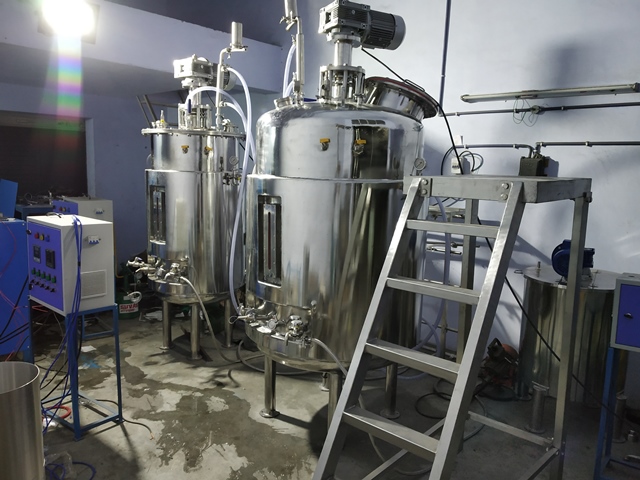
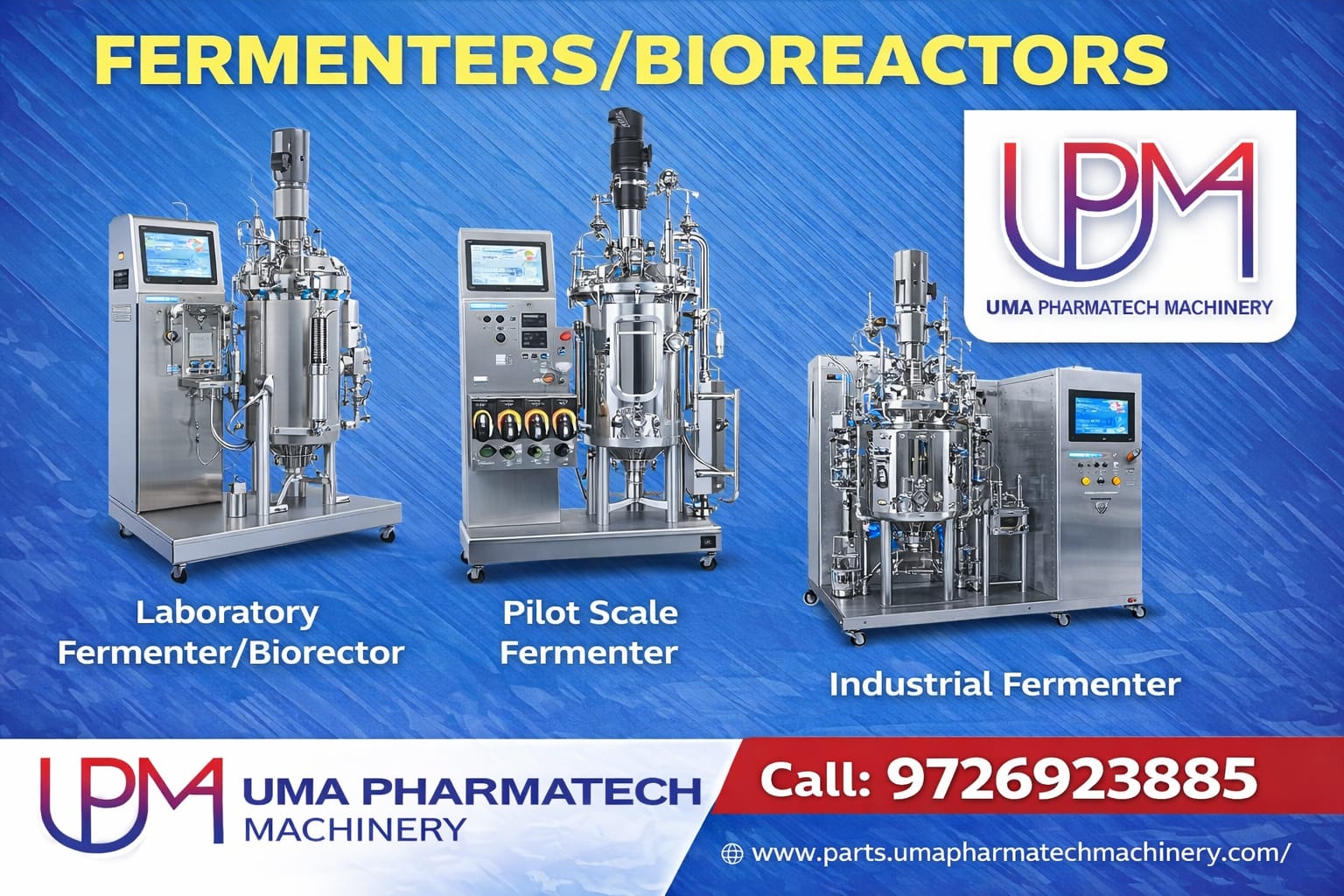
fermenter 350L Pro
fermenter 350L Pro
Control System & Automation The 350L Pro Model is designed with a high-end automation system: Controlling Processor: PLC-based system with 7-inch HMI touchscreen User-friendly interface for parameter setting and monitoring Temperature Control: Semi-automatic with 15 solenoid valves and pump integration Ensures precise thermal regulation Agitation Control: Fully integrated and adjustable…
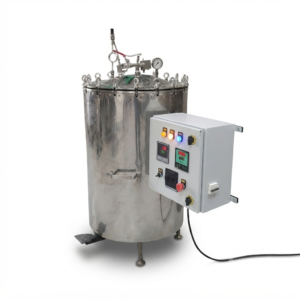
vertical Autoclave
vertical Autoclave
Description Qty. Prize(INR) Double Wall Vertical Autoclave-Both Wall SS 304 VERTICAL AUTOCLAVE– 550mm Dia X 900mm height(55 cm Dia x 90 cm Height) (TOTAl CHAMBER SIZE) Total Chamber Volume:210(approx.) Power: 9 kw Sheet Thickness : 2.5mm · Digital Temperature Controller With Control Panel · Timer For Auto Sterile 1…
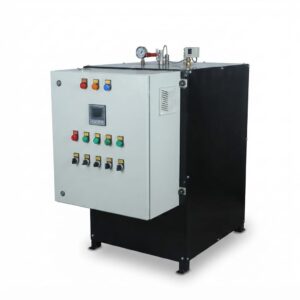
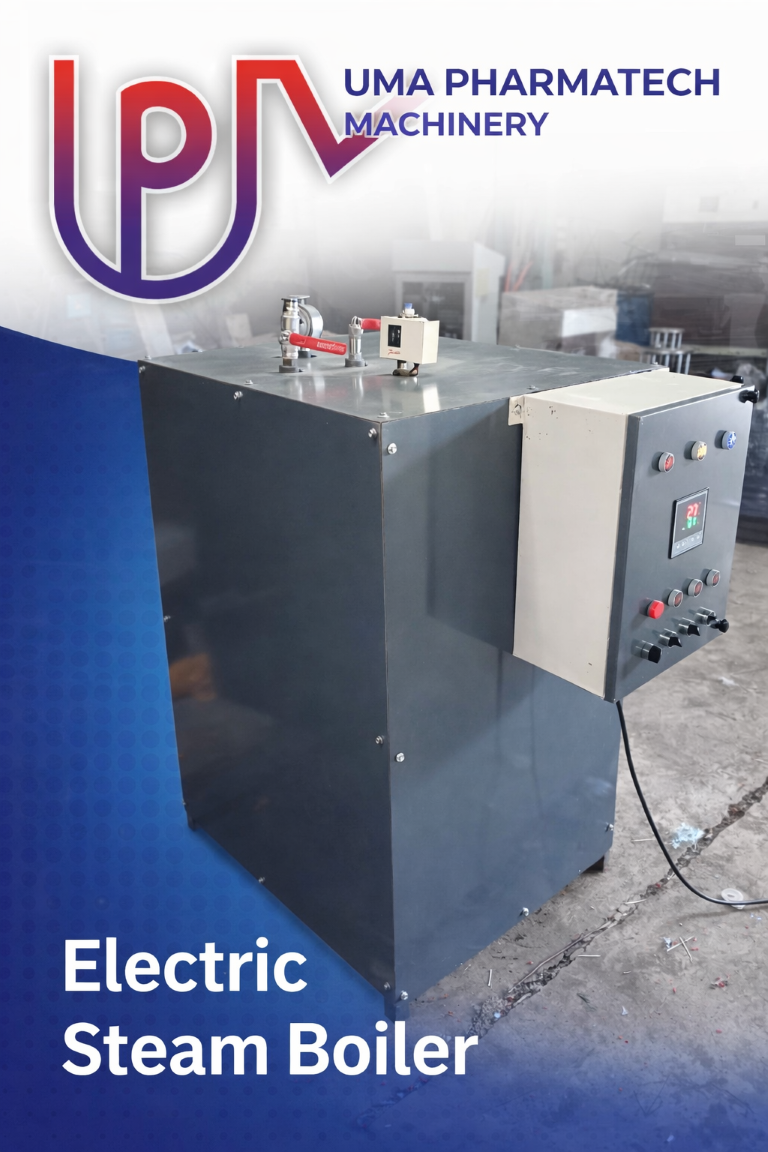
Electric Steam Boiler 48kw
Electric Steam Boiler 48kw
Online Models Model Power Steam Flow Rate(kg/hr) Max. Working Pressure( Bar(g) Tank Capacity Max. Working Temperature(oC) Discounted Offer Prize Without Tax And Transportation (INR) UPM-ON-48-60 48 kw 60 4 Bar 90 Ltr(Ms) 150 UPM-ON-48-60 48 kw 60 4 Bar 90 Ltr(SS 304) 150 Our Scope: insulated boiler vessel, SS heating…
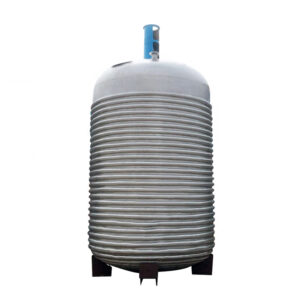
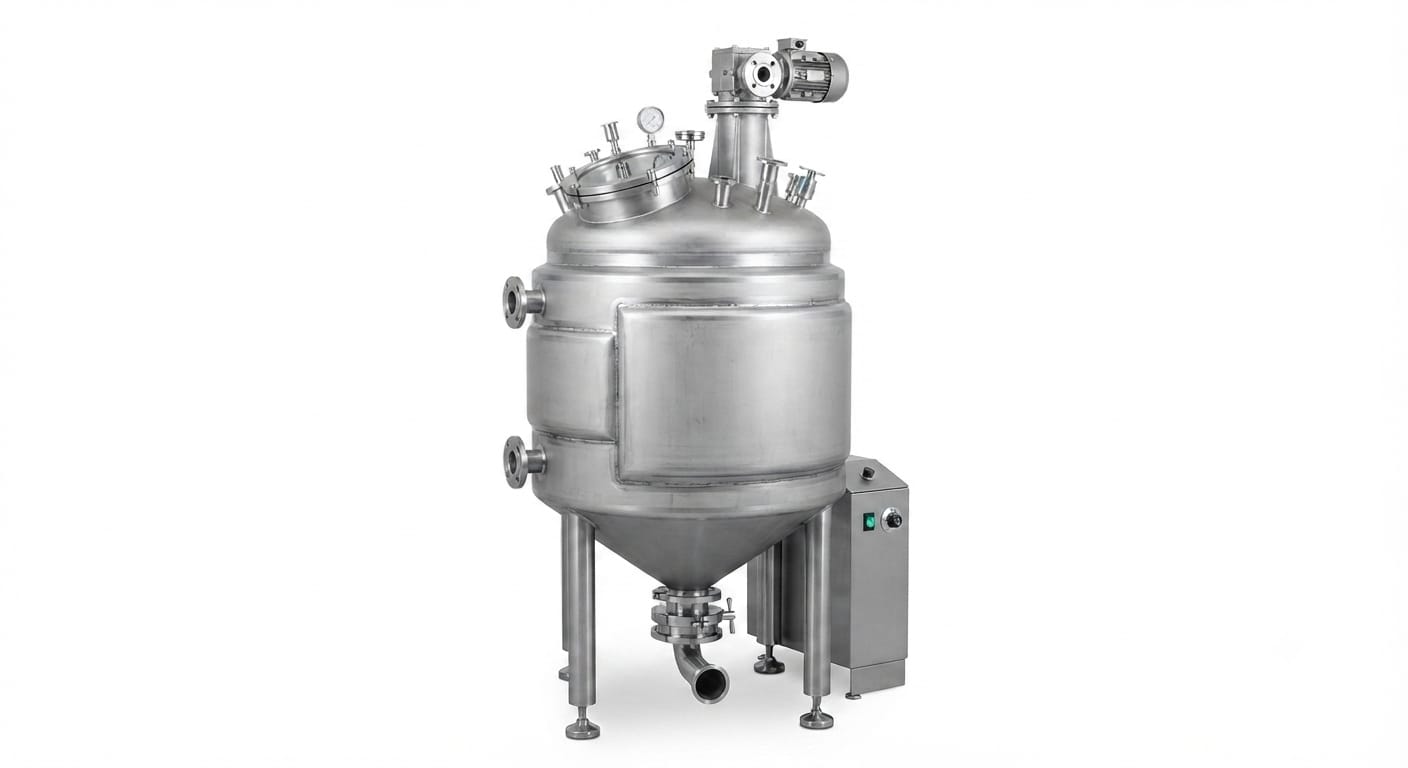
ss vessel
ss vessel
Stainless Steel (SS) Vessel: Comprehensive Product Specification & Technical Guide Finding the right industrial storage or processing solution requires a deep dive into material science, engineering standards, and functional design. Whether you are in the pharmaceutical, food processing, or chemical industry, a high-quality SS Vessel is the backbone of your…
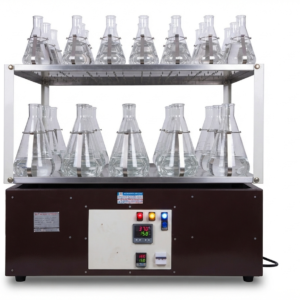
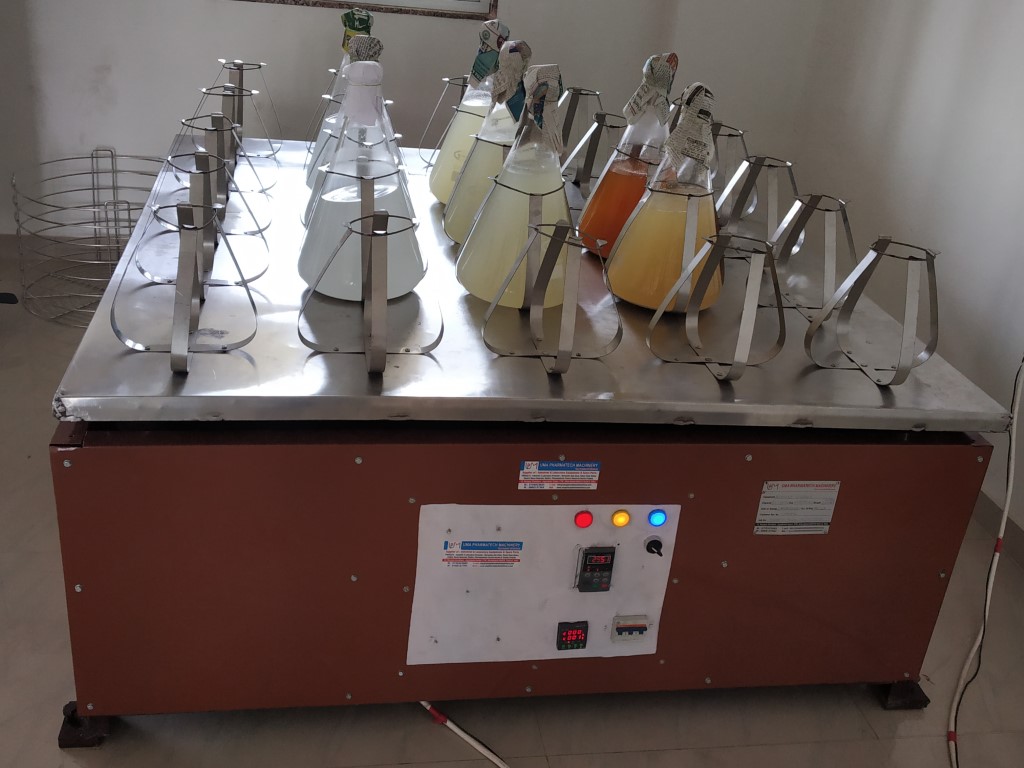
Industrial Orbital Shaker
Industrial Orbital Shaker
Industrial Orbital Shaker Industrial Orbital Shakers: High-Capacity Precision Agitation In biotechnology, microbiology, and chemical research, the Industrial Orbital Shaker is the gold standard for applications requiring consistent, circular motion. Whether you are cultivating cell cultures in large-volume Erlenmeyer flasks or mixing chemical reagents, our orbital shakers provide a vibration-free, horizontal…